
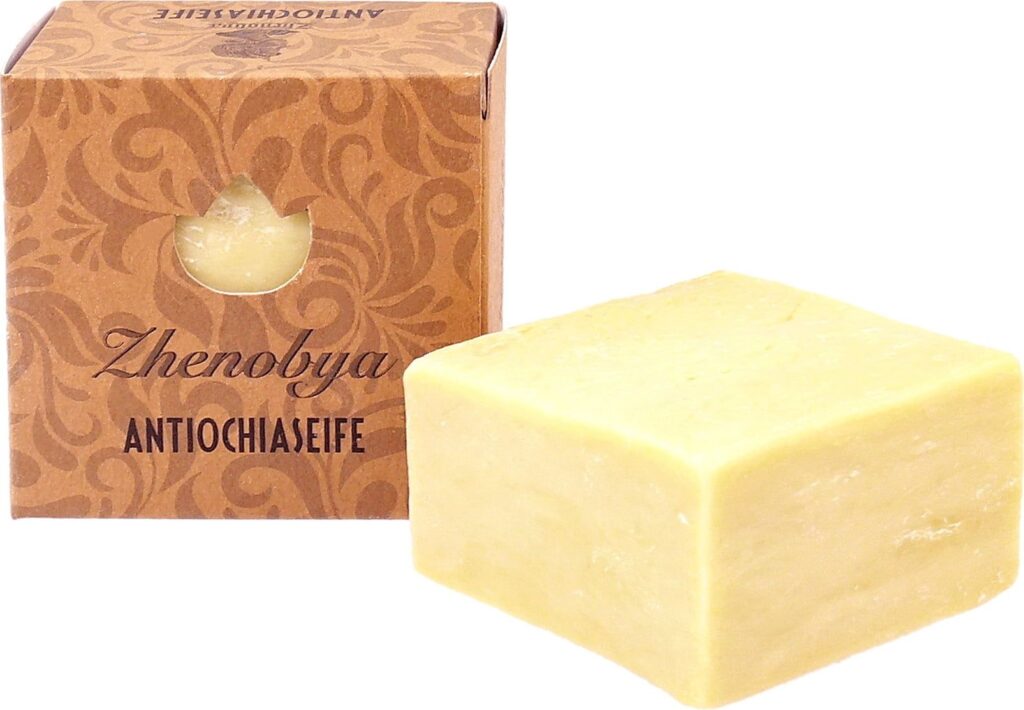
In the world of soap-making, there exist many ancient traditions and techniques that have been passed down through generations. One such tradition is the creation of Antiochian soap, a type of soap that has been prized for its unique properties and versatility. In this article, we will delve into the history and production of Antiochian soap, exploring its differences from other types of soap and its various uses.
A Brief History of Antiochian Soap
Antiochian soap has its roots in ancient times, dating back over 1,500 years to the region of Antioch in modern-day Turkey. The city was an important center of trade and commerce, with merchants and traders coming from all over the world to exchange goods and ideas. One of the key ingredients in Antiochian soap is olive oil, which was highly valued for its nutritional and medicinal properties.
According to historical records, the art of making Antiochian soap was first developed by the people of Antioch as a way to clean their bodies and clothes while also creating a natural and effective cleansing agent. The ancient Greeks and Romans were particularly fond of this type of soap, using it not only for personal hygiene but also for medicinal purposes.
Over time, the recipe for Antiochian soap was refined and passed down through generations, with different regions and cultures adding their own unique twists and ingredients to the traditional formula. Despite its long history, Antiochian soap remains a popular choice among natural skincare enthusiasts and those seeking a gentle yet effective cleansing agent.
The Difference Between Antiochian Soap and Other Types
Antiochian soap is often compared to Aleppo soap, another type of ancient soap that originated in Syria. While both saponas share some similarities, such as their use of olive oil, they also have distinct differences in terms of ingredients and production methods. For example, Antiochian soap typically uses a higher percentage of olive oil than Aleppo soap, which can make it more moisturizing and nourishing for the skin.
Another type of ancient soap is the “Sapone Nero” from Morocco, which is known for its dark color and rich lather. While this soap has its own unique properties and benefits, it differs from Antiochian soap in terms of ingredients and production methods.
The Benefits of Antiochian Soap
Antiochian soap has a number of benefits that make it an attractive option for those looking for a natural and effective cleaning agent. Some of the key benefits include:
- Moisturizing and nourishing properties: The high percentage of olive oil in Antiochian soap makes it an excellent moisturizer, helping to hydrate and soften the skin.
- Antifungal and antibacterial properties: The addition of alloro (bay leaves) to Antiochian soap gives it antifungal and antibacterial properties, making it effective against a range of skin issues.
- Soothing and calming effects: The gentle, pH-balanced formula of Antiochian soap makes it an excellent option for sensitive skin.
Using Antiochian Soap
Antiochian soap can be used in a variety of ways, including:
- Cleansing the face and body: Use Antiochian soap as your regular cleansing agent to keep your skin clean and moisturized.
- Making skincare masks: Mix Antiochian soap with other natural ingredients like honey and yogurt to create a nourishing mask for the skin.
- Exfoliating and toning: Use Antiochian soap as an exfoliant to remove dead skin cells, or as a toner to balance the skin’s pH.
Making Antiochian Soap at Home
While it may be tempting to buy commercial soap, making your own Antiochian soap at home can be a fun and rewarding experience. With just a few simple ingredients like olive oil, alloro, and water, you can create your own Antiochian soap in the comfort of your own home.
To make Antiochian soap at home, you will need to follow these basic steps:
- Gather your ingredients: You will need 1 pound of olive oil, 2 tablespoons of alloro leaves, and 1 tablespoon of water.
- Mix the oils and herbs: Combine the olive oil and alloro leaves in a bowl and mix until the leaves are evenly distributed throughout the oil.
- Add the water: Add the water to the bowl and mix until you have a smooth, consistent lather.
- Pour into a mold: Pour the soap mixture into a mold or shape it by hand into a bar.
- Allow to harden: Allow the soap to harden for several days before cutting it into bars.
Frequently Asked Questions
Q: What makes Antiochian soap different from other types of soap?
A: Antiochian soap is made with a higher percentage of olive oil and alloro, giving it unique moisturizing and antifungal properties.
Q: Can I use Antiochian soap on sensitive skin?
A: Yes, the gentle formula of Antiochian soap makes it an excellent option for sensitive skin.
Q: How do I make Antiochian soap at home?
A: Simply combine olive oil, alloro, and water in a bowl, then mix until you have a smooth, consistent lather.
Q: Can I use Antiochian soap as a struccante?
A: No, Antiochian soap is not recommended for use as a struccante due to its slightly basic pH level.
Q: How long does Antiochian soap last?
A: Antiochian soap can be made in small batches and will typically last for several months when used regularly.
Q: Can I customize the recipe of my own Antiochian soap?
A: Yes, feel free to experiment with different ingredients and ratios to create your own unique Antiochian soap recipe.
Q: What are some other uses for Antiochian soap?
A: Antiochian soap can be used as a facial cleanser, body wash, or even as an ingredient in homemade skincare products.
Q: How do I store my Antiochian soap?
A: Store your Antiochian soap in an airtight container to keep it fresh and prevent drying out.
Conclusion
Antiochian soap is a unique and versatile cleaning agent that has been prized for its moisturizing, antifungal, and antibacterial properties. With its rich history and gentle formula, it makes an excellent option for those seeking a natural and effective way to clean and care for their skin. Whether you choose to make your own Antiochian soap at home or purchase it from a reputable supplier, this ancient art of soap-making is sure to delight and nourish your skin for generations to come.


