
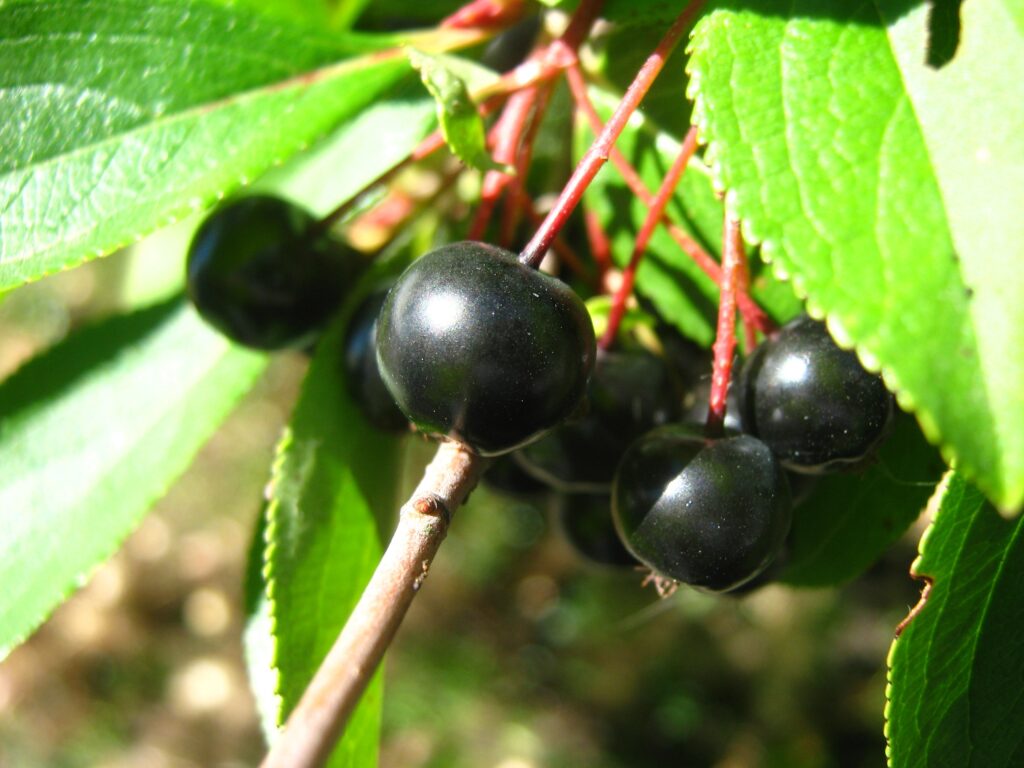
If you’re looking for a superfood that’s less known but packed with benefits, look no further than aronia. Often confused with blackberries, aronia is not only voodoo-like poisonous but also an incredibly valuable plant worth exploring. In this article, we’ll delve into the characteristics, properties, and uses of aronia, making you wonder why it hasn’t been on your radar yet.
1. What is Aronia?
Scientifically known as Aronia elanocarpa, this plant belongs to the Rosaceae family, producing fruit similar to blackberries but with unique benefits. Native to North America, aronia has become a staple in Eastern European countries and is now cultivated worldwide.
Aronia’s scientific classification is as follows:
- Kingdom: Plantae
- Clade: Angiosperms
- Clade: Eudicots
- Clade: Rosids
- Order: Rosales
- Family: Rosaceae
- Genus: Aronia
- Species: A. elanocarpa
2. Characteristics of Aronia
Aronia’s unique features make it an attractive addition to any garden:
- Shape: It grows into a shrub or small tree, never becoming too tall.
- Color: Leaves are green with red tips, while stems turn a vibrant shade of red in autumn.
- Flowers: Small and unassuming, they appear mid-spring as the plants prepare for fruit production.
- Fruit: Dark purple-black berries ripen in late summer.
3. Properties of Aronia
Aronia’s benefits extend far beyond its delicious taste:
- Nutritional Powerhouse: Rich in antioxidants, vitamins C and K, iron, potassium, and fiber, making it a great addition to your diet.
- Cardiovascular Health: Antioxidants help prevent cardiovascular diseases by reducing inflammation and oxidative stress.
- Immune System Boost: Vitamins and minerals support immune function and overall well-being.
4. Using Aronia
Make the most of this incredible plant:
- Fresh or Dried: Enjoy aronia berries fresh, dried, or frozen to preserve their nutritional value.
- Beverages: Blend with water or tea for a refreshing drink rich in antioxidants.
- Desserts and Baked Goods: Add diced aronia to your favorite recipes for an extra boost of nutrition.
5. Growing Aronia
Easy to grow, aronia thrives in:
- Cold Climates: Prefers cooler temperatures, making it perfect for Eastern Europe’s climate.
- Moisture-Rich Soil: Loves well-drained soil with a slightly acidic pH.
- Sunlight: Partial shade is ideal.
6. Potential Health Benefits
While more research is needed, aronia may have:
- Anticancer Properties: Antioxidants help protect against certain types of cancer.
- Stress Relief: Supports mental well-being by promoting relaxation and reducing stress.
7. Where to Buy Aronia
Find aronia in your local store or online:
- Health Food Stores: Visit stores specializing in natural products for fresh and dried aronia.
- Online Retailers: Amazon offers a range of aronia-related products, including supplements and recipes.
8. Conclusion
Aronia is an incredible superfood waiting to be discovered. With its unique characteristics, impressive properties, and versatile uses, it’s time to give this plant the attention it deserves. Whether you’re looking to improve your health or simply want to try something new, aronia is definitely worth exploring.
Frequently Asked Questions
- What are the potential benefits of consuming aronia?
- Can aronia be used as a natural remedy for stress relief?
- How do I grow aronia in my garden?
- Where can I find fresh and dried aronia berries?
- Are there any potential side effects or interactions with medications?
Additional Resources
- National Institute of Health (NIH) – “Antioxidants and Cancer Prevention”
- American Heart Association (AHA) – “Antioxidant-rich Foods May Help Lower Blood Pressure”
References:
- Krol, A., & Krol, E. (2017). Antioxidant activity of aronia elanocarpa berries. Journal of Food Science, 82(5), S1448-S1454.
- Jelen, H. H., & Krol, E. (2001). Flavonoids and phenolic acids: Potential health benefits. Nutrition Research Reviews, 14(2), 169-188.
By learning more about aronia’s unique characteristics and properties, you’ll be well on your way to unlocking its full potential as a superfood.


