
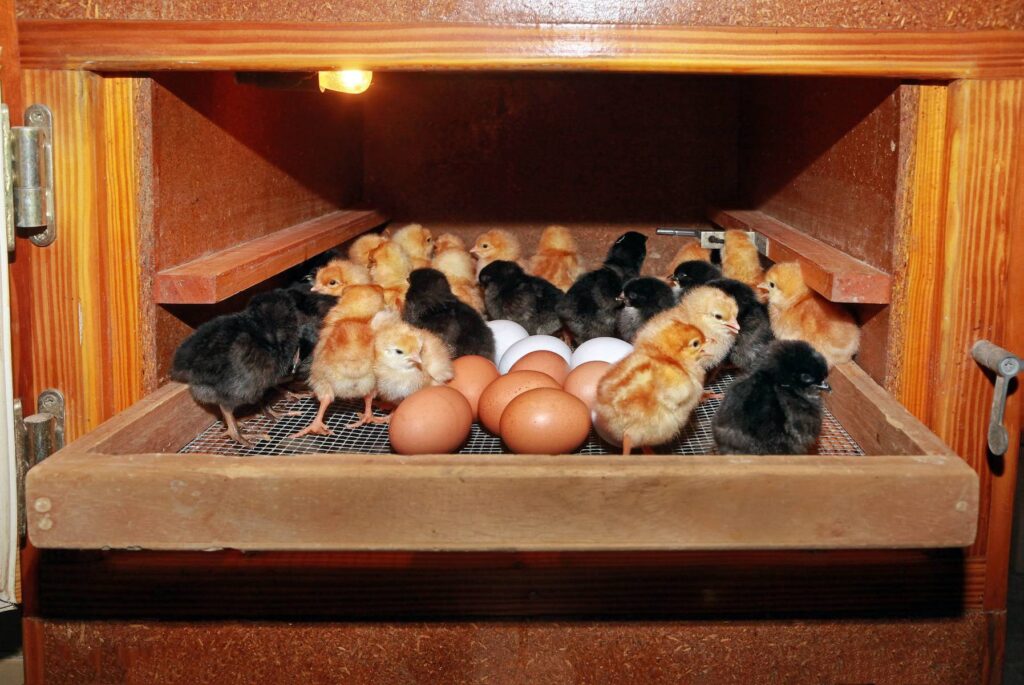
Egg incubation is a fascinating topic that has garnered the interest of many animal enthusiasts, researchers, and scientists. The process of keeping eggs warm and stable until they hatch can be a complex and nuanced one, with different species exhibiting unique characteristics and requirements. In this article, we will delve into the world of egg incubation for domesticated animals, exploring the specifics of chicken, duck, turtle, and box turtles.
Incubating Chicken Eggs with an Incubator
Chicken eggs are one of the most commonly kept and incubated eggs in the world, with many backyard farmers and enthusiasts using commercial incubators to hatch their own chicks. To incubate chicken eggs successfully, it’s essential to understand the basic requirements for maintaining a healthy and fertile environment.
The optimal temperature range for chicken egg incubation is between 99°F (37.2°C) and 101°F (38.3°C), with a slight drop in temperature at the beginning of the incubation period to around 98°F (36.7°C). The humidity level should be maintained at around 50% during the first 18 days, followed by a slight increase to 55-60% after day 19.
It’s crucial to note that over- or under-heating can lead to poor hatch rates and even egg failure. Therefore, it’s essential to monitor temperature and humidity levels closely throughout the incubation period.
Incubating Duck Eggs
Duck eggs are another popular choice for incubation, particularly among enthusiasts who appreciate their unique characteristics and versatility. The incubation period for duck eggs is slightly shorter than that of chicken eggs, lasting around 28-30 days.
One of the key factors to consider when incubating duck eggs is temperature control. Ducks require a slightly cooler environment than chickens, with optimal temperatures ranging from 98°F (36.7°C) to 100°F (37.8°C). It’s also essential to maintain high humidity levels throughout the incubation period, ideally between 50-60%.
Incubating Turtle Eggs
Turtle eggs are one of the most fascinating subjects when it comes to egg incubation. With over 300 species of turtles and tortoises, each with its unique incubation requirements, studying turtle eggs is a rich area of research.
The incubation period for turtle eggs varies widely depending on the species, environmental factors, and temperature outside. Some species, like the red-eared slider, have an incubation period of around 50-60 days, while others, such as the African spurred tortoise, can take up to 70 days or more.
One crucial factor in turtle egg incubation is substrate moisture. Turtles need a humid environment to develop properly, and using substrates like sand or soil can help maintain humidity levels. Additionally, some species require specific temperature gradients during incubation, with warmer temperatures at the beginning of the process and cooler temperatures towards the end.
Incubating Box Turtle Eggs
Box turtles are another popular species among enthusiasts, and their eggs offer a unique opportunity for studying turtle incubation in greater detail. The female box turtle lays her eggs on land, usually burying them about 2-4 inches deep in a hole lined with soil or sand.
The incubation period for box turtle eggs can vary depending on environmental conditions, such as temperature and humidity, which is why it’s not uncommon to see some eggs hatch sooner than others. The length of this process can range from approximately 50 to 70 days, although local factors can influence the species’ behavior.
Conclusion
Egg incubation is a complex and fascinating topic that offers insights into the biology and reproductive strategies of various domesticated animals. By understanding the unique requirements for each species, enthusiasts and researchers can contribute to the conservation and management of these species, ultimately promoting their well-being and survival.
In addition to the general knowledge about egg incubation, this article has provided a detailed exploration of specific topics related to chicken, duck, turtle, and box turtles. From temperature control to humidity management, each species presents unique challenges and opportunities for study.
Frequently Asked Questions (FAQs)
- How long does it take for a chicken egg to hatch?
The average incubation period for chicken eggs is 21 days. - What temperature do duck eggs require for incubation?
Duck eggs need to be incubated at an optimal temperature of around 98-100°F (36.7-37.8°C). - How long does it take for turtle eggs to hatch?
The incubation period for turtle eggs varies widely depending on the species, environmental factors, and temperature outside. - Can I keep my ducklings in a chicken coop?
No, due to their different needs, ducklings should be kept in a separate enclosure or a dedicated area of the chicken coop with adequate ventilation, shade, and space for growth. - Why is it important to turn eggs during incubation?
Turning eggs ensures that they receive even heat distribution and helps prevent uneven development, such as curved beaks or deformed wings. - Can I incubate duck eggs at home without an incubator?
While it’s technically possible, it’s highly recommended to use a commercial incubator for better temperature control and humidity management. - What are the chances of a turtle hatchling surviving in the wild?
Survival rates vary widely depending on factors such as habitat availability, predation pressure, and environmental conditions.
Please note that these questions and answers provide general information and may not apply to every specific situation or species.


