
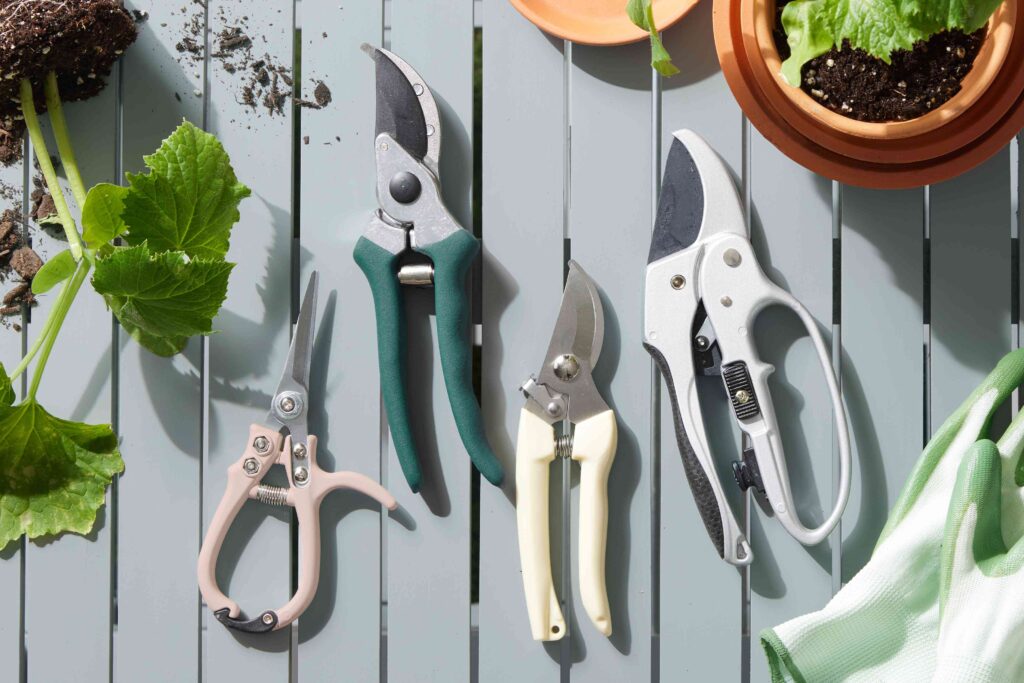
As a gardener or landscaper, choosing the right pruning shears can be a daunting task. With so many options available, it’s easy to get overwhelmed by the sheer number of choices. In this article, we’ll break down the different types of pruning shears and their uses, helping you make an informed decision that suits your needs.
Types of Pruning Shears: A Brief Overview
- Pruning Shears with a Circular Jaw
- Dual-Action Pruning Shears
- Air Compressors Pruning Shears
- Cordless Pruning Shears
Let’s dive into each type and explore their uses, benefits, and drawbacks.
1. Pruning Shears with a Circular Jaw
Circular jaw pruning shears are versatile and suitable for most pruning tasks. They have no specific species preference and can be used on various types of plants. However, they might struggle with thicker branches or more demanding cuts.
- Useful for: Pruning flowers, shrubs, and small trees
- Not ideal for: Cutting thick branches or large tree limbs
2. Dual-Action Pruning Shears
Dual-action pruning shears combine a sharp blade with a pivoting mechanism that helps to distribute the cutting force evenly. This design makes them suitable for thicker branches and more demanding cuts.
- Useful for: Pruning larger branches, shrubs, and small trees
- Not ideal for: Cutting very thick or hardy branches
3. Air Compressors Pruning Shears
Air compressors pruning shears use compressed air to power a cutting mechanism. They are particularly useful for large-scale pruning projects, as they can help reduce fatigue and increase efficiency.
- Useful for: Pruning large areas, heavy-duty jobs, or high-volume pruning operations
- Not ideal for: Small-scale pruning tasks or delicate plant work
4. Cordless Pruning Shears
Cordless pruning shears offer the convenience of cordless operation and portability. They are suitable for small to medium-sized pruning projects.
- Useful for: Pruning smaller areas, trimming branches on smaller trees, or general maintenance
- Not ideal for: Heavy-duty pruning tasks or large-scale operations
Additional Considerations
When choosing the right pruning shears, consider factors such as:
- Hand size and comfort: Ensure that the pruning shears are comfortable to hold and maneuver.
- Blade quality: A high-quality blade will make cutting easier and more efficient.
- Material durability: Look for pruning shears made from durable materials that can withstand regular use.
- Budget: Set a budget and stick to it when selecting pruning shears.
Blade Materials
Pruning shears blades come in various materials, each with its own benefits and drawbacks:
- Stainless Steel: Durable, resistant to rust, and easy to clean. However, may be prone to corrosion if not properly maintained.
- High-Carbon Steel: Strong, sharp, and suitable for heavy-duty pruning tasks. Requires regular sharpening to maintain effectiveness.
- Titanium: Lightweight, corrosion-resistant, and suitable for delicate plant work. May be more expensive than other materials.
Tips for Selecting the Right Blade
- Consider the type of plants you’ll be pruning: Delicate flowers or shrubs may require a high-carbon steel blade, while thicker branches can handle stainless steel.
- Think about your personal comfort level: If you have smaller hands or prefer a lighter grip, look for blades with ergonomic handles and comfortable grips.
Conclusion
Choosing the right pruning shears requires careful consideration of your specific needs and preferences. By understanding the different types of pruning shears and their uses, you’ll be able to select the best option for your next gardening project.
Here are 8 frequently asked questions about choosing the right pruning shears:
- What is the difference between circular jaw pruning shears and dual-action pruning shears?
- Circular jaw pruning shears have no pivoting mechanism, while dual-action pruning shears combine a sharp blade with a pivoting mechanism that helps distribute the cutting force evenly.
- Are cordless pruning shears suitable for heavy-duty pruning tasks?
- No, cordless pruning shears are generally not recommended for heavy-duty pruning tasks or large-scale operations due to their limited power and battery life.
- Can air compressors pruning shears be used on delicate plants?
- No, air compressors pruning shears should only be used on sturdy plants that can withstand the force of the cutting mechanism.
- How often should I clean my pruning shears?
- Clean your pruning shears regularly to prevent rust and maintain optimal performance.
- Are there any specific pruning techniques for using dual-action pruning shears?
- Yes, when using dual-action pruning shears, be sure to pivot the blade as you cut to distribute the force evenly and avoid crushing or tearing branches.
- Can I use pruning shears on thick, hardwood branches?
- No, thicker branches may require specialized pruning tools, such as loppers or chainsaws.
- Are cordless pruning shears a good option for gardeners with mobility issues?
- Yes, cordless pruning shears can be more accessible and convenient for gardeners with mobility limitations due to their lightweight design and lack of cords.
- Can I use air compressors pruning shears in confined spaces or tight areas?
- No, air compressors pruning shears may not be practical for use in confined spaces due to the need for a compressed air source and potentially loud noise levels.
Pruning Techniques
Proper pruning techniques can make all the difference when using your chosen pruning shears. Here are some tips to get you started:
- Cut at an angle: Cutting at an angle helps prevent water from collecting on the cut surface, reducing the risk of disease and promoting healing.
- Make clean cuts: Avoid tearing or crushing branches by making clean, smooth cuts. Use a gentle sawing motion to guide the blade through the plant material.
- Cut just above a node: Cutting just above a node helps stimulate new growth and promotes healthy regeneration.
By following these guidelines and selecting the right pruning shears for your needs, you’ll be well on your way to becoming a skilled gardener or landscaper. Happy pruning!


