
As a medical profession, osteopathy has been gaining popularity in recent years, with many people turning to it as a complementary therapy for various health issues. However, despite its growing reputation, osteopathy remains a somewhat misunderstood practice, with some critics labeling it as “santone” who can cure anything. In this article, we will delve into the world of osteopathy, exploring what it treats, how to become an osteopath, and why it’s not widely recognized in Italy.
What Does Osteopathy Treat?
Osteopathy is a recognized medical practice that uses manual manipulation to treat various health conditions. Based on the World Health Organization (WHO), osteopathy is considered a non-conventional medicine. It is based on the principle of treating the whole person – body, mind, and spirit – by analyzing the interactions between different parts of the body.
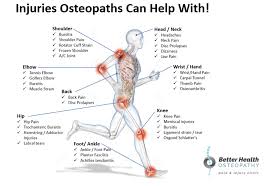
Osteopaths use gentle manipulative techniques to restore balance and harmony to the body’s systems, including muscles, bones, joints, and organs. This approach can be effective in treating a range of conditions, such as:
- Musculoskeletal problems: Back pain, neck pain, sciatica, arthritis, and sports injuries
- Neurological issues: Migraines, headaches, vertigo, and neurological disorders like Parkinson’s disease and multiple sclerosis
- Digestive problems: Irritable bowel syndrome (IBS), acid reflux, and gastrointestinal motility disorders
- Hormonal imbalances: Menstrual cramps, polycystic ovary syndrome (PCOS), and thyroid conditions
While osteopathy can be beneficial in addressing these issues, it is not a cure-all solution. Osteopathy cannot treat chronic degenerative diseases, genetic conditions, or severe injuries.
How to Become an Osteopath
Becoming an osteopath requires a significant amount of education and training. In Italy, there is no university program available for osteopathy, so aspiring osteopaths must pursue a private school program that meets the requirements set by the Ministry of Health.
To become an osteopath in Italy, one must complete a six-year program that includes studies in medical sciences such as anatomy, pathology, physiology, biomechanics, biochemistry, and biology. Additionally, students must also study osteopathic principles and practices, including manual therapy techniques.
After completing their training, osteopaths can apply for a license to practice medicine, which requires possession of a valid medical degree or equivalent qualifications such as being a licensed physical therapist.
The Italian Osteopathy Association
In Italy, there is an association called the Consiglio Superiore di Osteopatia (CSdO), which represents the interests of osteopathic professionals and advocates for greater recognition of the profession. The CSdO works to promote osteopathy through education and awareness-raising activities.
Why Isn’t Osteopathy Widely Recognized in Italy?
Despite its growing popularity, osteopathy remains a somewhat marginalized practice in Italy, with many healthcare providers questioning its legitimacy. One reason for this is that osteopathy has not been fully integrated into the Italian healthcare system.
In contrast, the United States recognizes osteopathy as a legitimate medical practice and includes it in their public health system. The US is also home to several schools of osteopathic medicine that offer comprehensive education in osteopathic principles and practices.
The Evolution of Osteopathy
Osteopathy has its roots in the late 19th century, when French physician Henri Selye developed the concept of osteopathy. However, it wasn’t until the early 20th century that osteopathy gained popularity as a separate medical practice.
One of the pioneers of osteopathy was Andrew Taylor Still, an American physician who founded the first school of osteopathic medicine in Kansas in 1892. Since then, osteopathy has evolved to incorporate various techniques and principles, including manual therapy, exercise science, and nutritional counseling.
The Benefits of Osteopathy
Osteopathy offers a holistic approach to healthcare by addressing the whole person – body, mind, and spirit. By restoring balance and harmony to the body’s systems, osteopaths can help patients manage chronic conditions, improve mobility, and enhance overall well-being.
Some of the benefits of osteopathy include:
- Reduced pain: Osteopathic manipulative techniques can be effective in reducing pain and discomfort associated with musculoskeletal problems.
- Improved mobility: Osteopathic treatment can help restore joint mobility and flexibility, making it easier to perform daily activities.
- Enhanced immune function: By addressing the body’s energy systems, osteopathy can help boost immune function and reduce inflammation.
- Emotional well-being: Osteopathic treatment can also address emotional imbalances and promote overall mental health.
The Future of Osteopathy
As the demand for alternative therapies continues to grow, osteopathy is likely to become an increasingly popular choice for those seeking holistic care. In Italy, there are plans to integrate osteopathy into the national healthcare system, which could lead to greater recognition and acceptance of this ancient practice.
However, there are also challenges ahead for osteopathy, including competition from conventional medical practices and skepticism from some members of the medical community. To overcome these challenges, it’s essential to continue promoting education, awareness-raising activities, and research into the benefits and effectiveness of osteopathy.
Conclusion
Osteopathy is a growing profession that offers a holistic approach to healthcare. By understanding what osteopathy treats, how to become an osteopath, and why it’s not widely recognized in Italy, we can better appreciate the value of this ancient practice. While there are still challenges ahead for osteopathy, its potential benefits make it an attractive option for those seeking alternative treatments.
FAQs
- What conditions does osteopathy treat?
Osteopathy treats a range of musculoskeletal and neurological conditions, including back pain, neck pain, sciatica, arthritis, migraines, and digestive problems. - Can osteopathy cure anything?
No, osteopathy cannot cure chronic degenerative diseases, genetic conditions, or severe injuries. However, it can be an effective complementary therapy in addressing various health issues. - How do I become an osteopath?
To become an osteopath, one must complete a private school program that meets the requirements set by the Ministry of Health. This typically involves six years of study in medical sciences and osteopathic principles and practices. - Is osteopathy recognized in Italy?
While there is no official recognition of osteopathy as a medical practice in Italy, there are several schools of osteopathy operating privately, and some healthcare providers acknowledge its value as a complementary therapy. - What are the benefits of osteopathy?
Osteopathy offers a holistic approach to healthcare by addressing the whole person – body, mind, and spirit. It can be an effective way to reduce pain, improve mobility, and enhance overall well-being. - Can I see an osteopath if I don’t have health insurance?
Yes, many osteopaths offer private consultations, and some may accept payment plans or financial aid for those without health insurance. - Is osteopathy safe?
Like any medical practice, osteopathy carries risks, such as injury from manual therapy techniques. However, experienced osteopaths take necessary precautions to minimize these risks.
By understanding the ins and outs of osteopathy, we can better appreciate its value as a complementary therapy and make informed decisions about our healthcare choices.


