
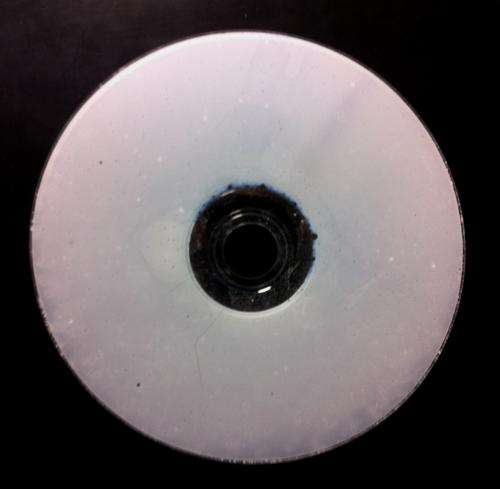
As we navigate the complexities of climate change and environmental degradation, innovative solutions are becoming increasingly crucial. One such breakthrough is the recycling of old CDs into a system that can purify water. This article will delve into the fascinating world of recycled CDs, exploring their potential as a sustainable solution for water treatment.
The Problem: Accumulation of Electronic Waste
Electronic waste (e-waste) has become a pressing concern worldwide. The rapid obsolescence of electronic devices, such as computers and phones, leads to an exponential increase in discarded items. In Italy alone, the production of CDs has resulted in approximately 20 billion units being discarded each year. This staggering number poses a significant challenge for waste management systems.
The Solution: A Novel Approach to Water Purification
Enter the innovative world of recycled CDs, which have been harnessed to create a novel system for purifying water. By leveraging the unique properties of old CDs, researchers have discovered a cost-effective method for depurating wastewater. This approach not only offers a sustainable solution but also boasts impressive efficiency.
The Science Behind the Solution
At the heart of this innovative technology lies the work of Dr. Din Ping Tsai, a renowned physicist from the National Taiwan University. His research has led to the development of a low-cost system capable of treating wastewater with remarkable effectiveness. By harnessing the power of UV light and zinc oxide, the recycled CDs serve as an effective substrate for the treatment process.
The Breakthrough: A 95% Depuration Rate in Just One Hour
In trials, the innovative device has proven its worth by achieving a staggering 95% depuration rate of contaminants within just one hour. This remarkable feat showcases the potential of recycled CDs to revolutionize water purification.
Limitations and Future Directions
While this breakthrough is undeniably impressive, it’s essential to acknowledge the limitations of this solution. The sheer volume of discarded CDs required to achieve significant depuration rates poses a challenge. Moreover, even on a large scale, only a fraction of the total CD production would be recycled. However, as technology advances and economies of scale improve, this limitation may become less pronounced.
Advantages and Applications
This innovative approach boasts several advantages over traditional systems for purifying wastewater:
- Energy Efficiency: The device consumes minimal energy, making it an attractive option for water treatment on a domestic or industrial level.
- Ease of Construction: The apparatus is easy to build, allowing individuals and organizations to implement this technology in their own facilities.
- Multi-Purpose Applications: The system can be used to treat wastewater from various sources, including agricultural runoff, urban sewage, and industrial effluents.
Conclusion: A New Era for Sustainable Water Treatment
The revolutionary recycling of old CDs presents a beacon of hope for sustainable water treatment. As we navigate the complexities of environmental degradation, it’s essential to explore innovative solutions that offer significant improvements over traditional methods. The breakthrough achieved by Dr. Din Ping Tsai and his team serves as a shining example of how technology can be harnessed to create a better future.
FAQs
- How does the recycled CD system work?
- The system harnesses the unique properties of old CDs, leveraging UV light and zinc oxide to depurinate wastewater.
- What is the estimated energy consumption of this device?
- Minimal energy is required for operation, making it an attractive option for water treatment on a domestic or industrial level.
- Can this system be used for treating all types of wastewater?
- The apparatus can be applied to treat various sources of wastewater, including agricultural runoff, urban sewage, and industrial effluents.
- What are the limitations of this solution?
- While impressive, this solution still faces challenges related to the sheer volume of discarded CDs required for significant depuration rates.
- How can I get started with implementing this technology in my community?
- The apparatus is easy to build and can be implemented by individuals and organizations, providing a unique opportunity for local communities to participate in sustainable water treatment initiatives.
The Role of Policy and Regulation
For the recycling of old CDs to become a widespread solution for purifying water, it’s essential that policy and regulatory frameworks are developed to support this initiative. Governments and international organizations can play a crucial role in promoting the adoption of innovative technologies like recycled CD systems through:
- Financial Incentives: Providing subsidies or grants to individuals and organizations willing to invest in these systems.
- Education and Awareness: Raising awareness about the potential of recycled CDs as a sustainable solution for water treatment, highlighting its benefits and limitations.
Conclusion: A New Era for Sustainable Water Treatment
The revolutionary recycling of old CDs presents a beacon of hope for sustainable water treatment. As we navigate the complexities of environmental degradation, it’s essential to explore innovative solutions that offer significant improvements over traditional methods. The breakthrough achieved by Dr. Din Ping Tsai and his team serves as a shining example of how technology can be harnessed to create a better future.
Looking Ahead: Challenges and Opportunities
While the potential of recycled CD systems for purifying water is vast, there are still several challenges that need to be addressed:
- Scalability: The sheer volume of discarded CDs required to achieve significant depuration rates poses a challenge.
- Cost: While the cost of production is decreasing, the initial investment in these systems can be prohibitively expensive for many individuals and organizations.
- Public Perception: There may be concerns about the safety and effectiveness of recycled CD systems, which need to be addressed through education and awareness campaigns.
Despite these challenges, the innovative approach of using recycled CDs as a substrate for purifying water presents numerous opportunities for:
- Sustainable Water Treatment: This solution offers a cost-effective method for treating wastewater, reducing the burden on traditional infrastructure.
- Job Creation: The development and implementation of this technology can create new job opportunities in manufacturing, installation, and maintenance.
- Community Engagement: Local communities can participate in sustainable water treatment initiatives by implementing these systems, fostering a sense of ownership and responsibility.
By embracing innovative solutions like the recycled CD system, we can work together to create a more sustainable future for our planet.


