
Are you a cat owner looking for the perfect litter solution? Look no further! In this comprehensive guide, we’ll cover everything you need to know about cat litter, from types of litter to vermin control, and even how to repurpose it for other pets.
Understanding Cat Litter Types
When it comes to choosing the right litter for your feline friend, there are many options available. From clumping clay to natural options like pine or recycled paper, each type has its pros and cons.
- Clumping Clay Litter: This is one of the most popular types of cat litter due to its effectiveness at controlling odor and mess. Clumping clay litter forms clumps when your cat urinates, making it easy to scoop out solid waste and replace with fresh litter. However, some cats may develop respiratory issues or skin irritation from inhaling fine particles.
- Natural Litters: Natural litters like pine or recycled paper are biodegradable and a great choice for environmentally conscious pet owners. These litters tend to be more expensive than clumping clay litter but offer many benefits for your cat’s health and the environment.
- Silica Gel Litter: Silica gel litter is excellent for cats with respiratory issues, as it’s hypoallergenic and dust-free. This type of litter absorbs moisture well, reducing odors and mess. However, it can be expensive and may not provide enough odor control for some cat owners.
The Importance of Litter Box Hygiene
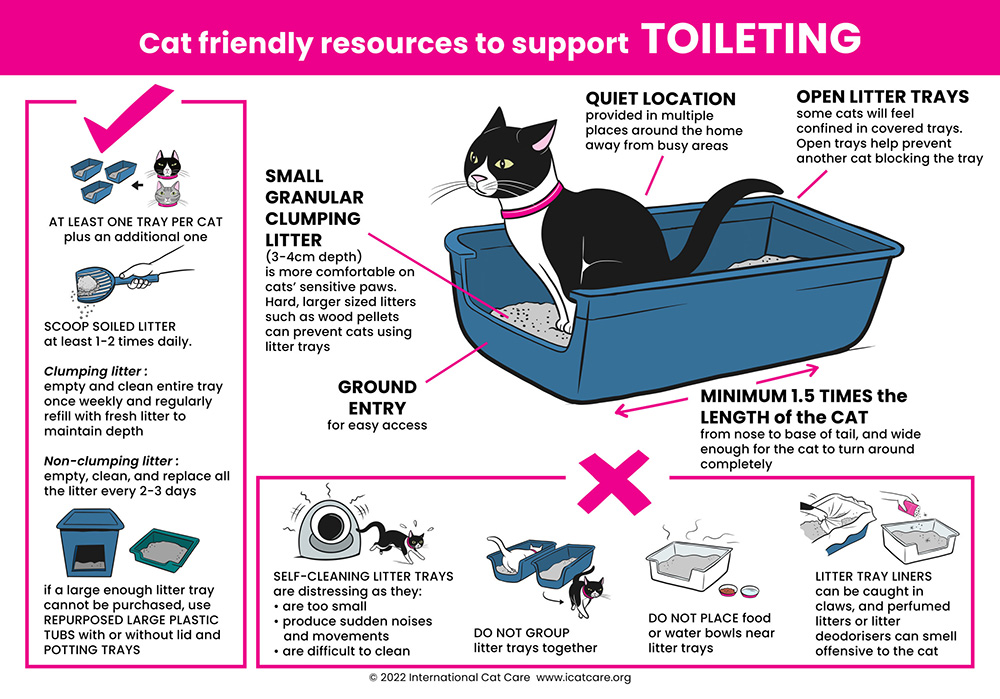
A clean litter box is essential for your cat’s health and happiness. Failure to scoop out solid waste daily can lead to bacterial growth, odors, and even urinary tract infections.
- Daily Scooping: Scoop out solid waste daily, or every other day if you have multiple cats. Use a scoop with a curved edge to remove waste without disturbing the litter.
- Litter Box Cleaning: Clean the litter box with mild soap and warm water to prevent bacterial buildup. Avoid using harsh chemicals or abrasive cleaners, as they can damage the litter box or harm your cat’s health.
- Changing Litter: Change the litter completely every 7-10 days, depending on usage. Fresh litter will help maintain a clean and healthy environment for your cat.
Dealing with Vermints in Your Litter
Unwelcome guests like vermin can ruin your cat’s litter experience. If you notice any signs of infestation, such as droppings or gnawing, act quickly to eliminate the problem.
- Identifying Vermints: Contact a veterinarian if you suspect a serious infestation. Identify common pests like mice, rats, and cockroaches that may be attracted to cat litter.
- Repelling Vermints: Use diatomaceous earth or baking soda to repel and kill vermin. Sprinkle these natural substances around the litter box and along walls to deter unwanted guests.
- Sealing Entry Points: Seal entry points around the litter box to prevent future infestations. Use steel wool, caulk, or expanding foam to seal holes and gaps.
Using Litter for Other Pets
While cat litter is specifically designed for felines, some pets can benefit from its absorbent properties. Canines, rabbits, and even guinea pigs might appreciate a good litter scoop.
- Dog Litter: Use a different type of litter, such as recycled paper or grass, for your dog. Some dogs may prefer the texture and smell of these litters over traditional clumping clay.
- Rabbit Litter: Provide a separate area for your rabbit to use the litter box. Rabbits are sensitive to odors and dust, so choose a litter that meets their needs.
- Guinea Pig Litter: Supervise guinea pig interactions with cat litter to ensure their safety. Guinea pigs may ingest small particles of litter if they’re not properly supervised.
Additional Tips for Cat Owners
Here are some additional tips to help you keep your cat’s litter box clean and healthy:
- Monitor Your Cat’s Health: Keep an eye out for signs of urinary tract infections, such as redness or swelling around the urethra.
- Choose the Right Location: Place the litter box in a quiet, private area where your cat feels safe and comfortable.
- Use a Litter Box with Low Sides: Cats prefer to dig and cover their waste, so use a litter box with low sides to encourage natural behavior.
Conclusion
Choosing the right litter for your feline friend can seem overwhelming, but by understanding different types of litter and following these tips, you can create a clean, healthy, and happy environment for your cat. Remember to scoop out solid waste daily, change the litter regularly, and keep an eye out for vermin infestations. With a little patience and practice, you’ll be well on your way to becoming a pro at cat litter management.


