
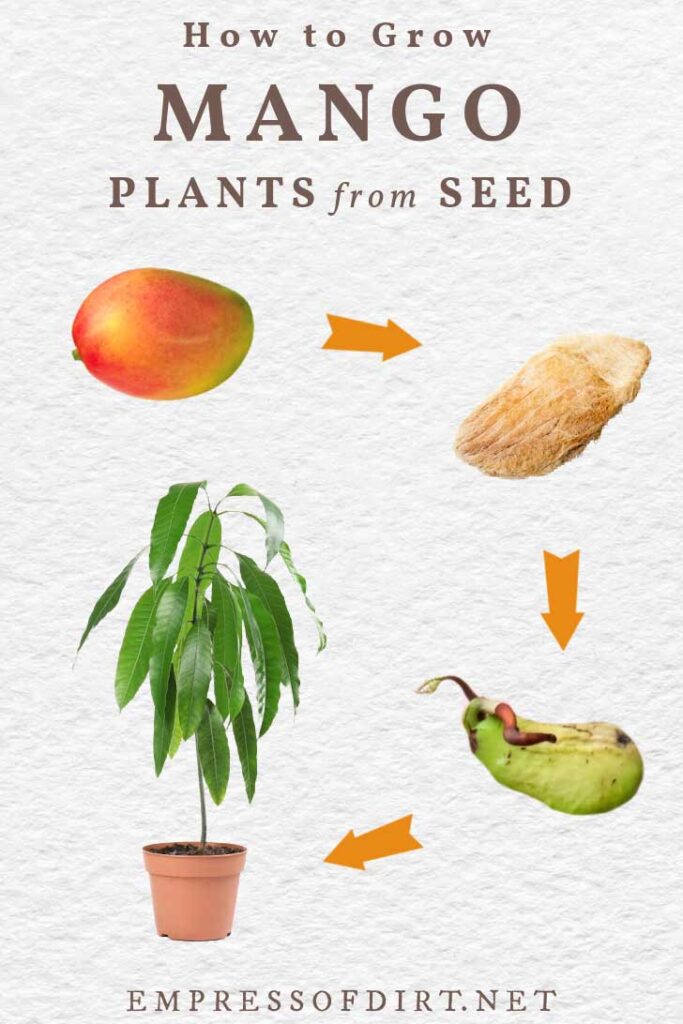
Are you ready to cultivate a delicious and exotic mango? With over 500 varieties to choose from, mango cultivation can seem daunting, but with the right guidance, you’ll be enjoying juicy mangoes in no time. In this article, we’ll explore the best practices for growing mangoes, including their preferred climate conditions, pests, diseases, and harvesting techniques.
Choosing the Right Variety
With over 500 varieties of mangoes, selecting the right one can be a challenge. Some popular varieties include Alphonso, Haden, and Tommy Atkins. When choosing a variety, consider factors such as climate, flavor, and texture.
- Climate Suitability: Mango trees thrive in warm and humid climates with average temperatures ranging from 64°F to 90°F (18°C to 32°C).
- Flavor Profile: Alphonso mangoes are known for their sweet and slightly tangy flavor, while Haden mangoes are renowned for their rich and buttery taste.
- Texture: Tommy Atkins mangoes have a firm and juicy texture, making them ideal for eating fresh or using in recipes.
Preparing the Soil
Before planting your mango tree, ensure that your soil is well-draining and rich in nutrients. Mango trees prefer a slightly acidic to neutral soil pH (6.0-7.0). Add organic matter like compost or manure to improve soil fertility.
- Soil pH: A pH range of 6.0-7.0 is ideal for mango trees, as it allows them to absorb essential nutrients.
- Organic Matter: Adding compost or manure can help retain moisture, suppress diseases, and provide beneficial microorganisms.
Planting Your Mango Tree
To plant a mango tree, follow these steps:
- Choose a location with full sun and warm temperatures.
- Dig a hole twice as wide and just as deep as the root ball of your mango tree.
- Add organic matter like compost or manure to improve soil fertility.
- Gently remove the mango tree from its container and place it in the hole.
- Fill the hole with soil, making sure not to compact it.
- Water your mango tree thoroughly.
Common Problems and Solutions
Mango trees are susceptible to various pests and diseases, including:
- Fruit Flies: Cover your mango tree with a fine mesh to prevent fruit flies from laying eggs on the fruit.
- Aphids: Spray your mango tree with water to dislodge aphids. You can also use neem oil or insecticidal soap to control infestations.
- Leaf Spot: Remove infected leaves and treat the area with fungicide to prevent the spread of disease.
Pruning Your Mango Tree
To maintain a healthy and productive mango tree, prune it regularly:
- Prune your mango tree during its dormant season (winter) to avoid stimulating new growth that may be vulnerable to pests or diseases.
- Remove any dead or diseased branches to prevent the spread of disease.
- Thin out your mango tree’s canopy to allow sunlight to reach the fruit.
Harvesting Your Mangoes
To enjoy fresh and ripe mangoes, follow these harvesting tips:
- Harvest your mangoes when they are fully ripe, as they will not continue to ripen after being picked.
- Use a gentle touch when handling your mangoes to avoid bruising the fruit.
Pest Control Strategies
In addition to pruning and harvesting, consider using pest control strategies to protect your mango tree from pests:
- Integrated Pest Management (IPM): This approach involves identifying the pest, monitoring its population, and implementing targeted controls.
- Organic Pesticides: Use natural pesticides like neem oil or pyrethrin to control pests without harming the environment.
Disease Control Strategies
To prevent the spread of disease, consider using disease control strategies:
- Fungicides: Apply fungicides to infected areas to prevent the spread of disease.
- Sanitation: Remove infected leaves and debris to prevent the spread of disease.
Conclusion
Growing mangoes requires patience, dedication, and proper care. By following these guidelines and taking steps to prevent pests and diseases, you’ll be enjoying delicious and fresh mangoes in no time.
Frequently Asked Questions (FAQs)
- What is the best climate for growing mangoes?
- Mango trees prefer a warm and humid climate with average temperatures ranging from 64°F to 90°F (18°C to 32°C).
- How often should I water my mango tree?
- Water your mango tree regularly, but avoid overwatering. Aim for about 1 inch of water per week, either from rain or irrigation.
- What are the most common pests that affect mango trees?
- Fruit flies, aphids, and whiteflies are some of the most common pests that can infest mango trees.
- How long does it take for a mango tree to produce fruit?
- It can take anywhere from 3 to 6 years after planting for a mango tree to produce its first crop of fruit.
- Can I grow mangoes indoors?
- While mango trees can be grown indoors, they require a lot of light and warm temperatures, making them challenging to cultivate in most indoor environments.
By answering these FAQs and following the guidelines outlined in this article, you’ll be well on your way to growing delicious and healthy mangoes. Happy growing!


