
1. Introduction to Caffeine
Caffeine is a widely consumed substance that can have both positive and negative effects on our bodies. While it’s often associated with increased alertness and energy, its impact goes beyond these benefits. In this article, we’ll delve into the world of caffeine, exploring its effects, benefits, and risks.
2. What is Caffeine?
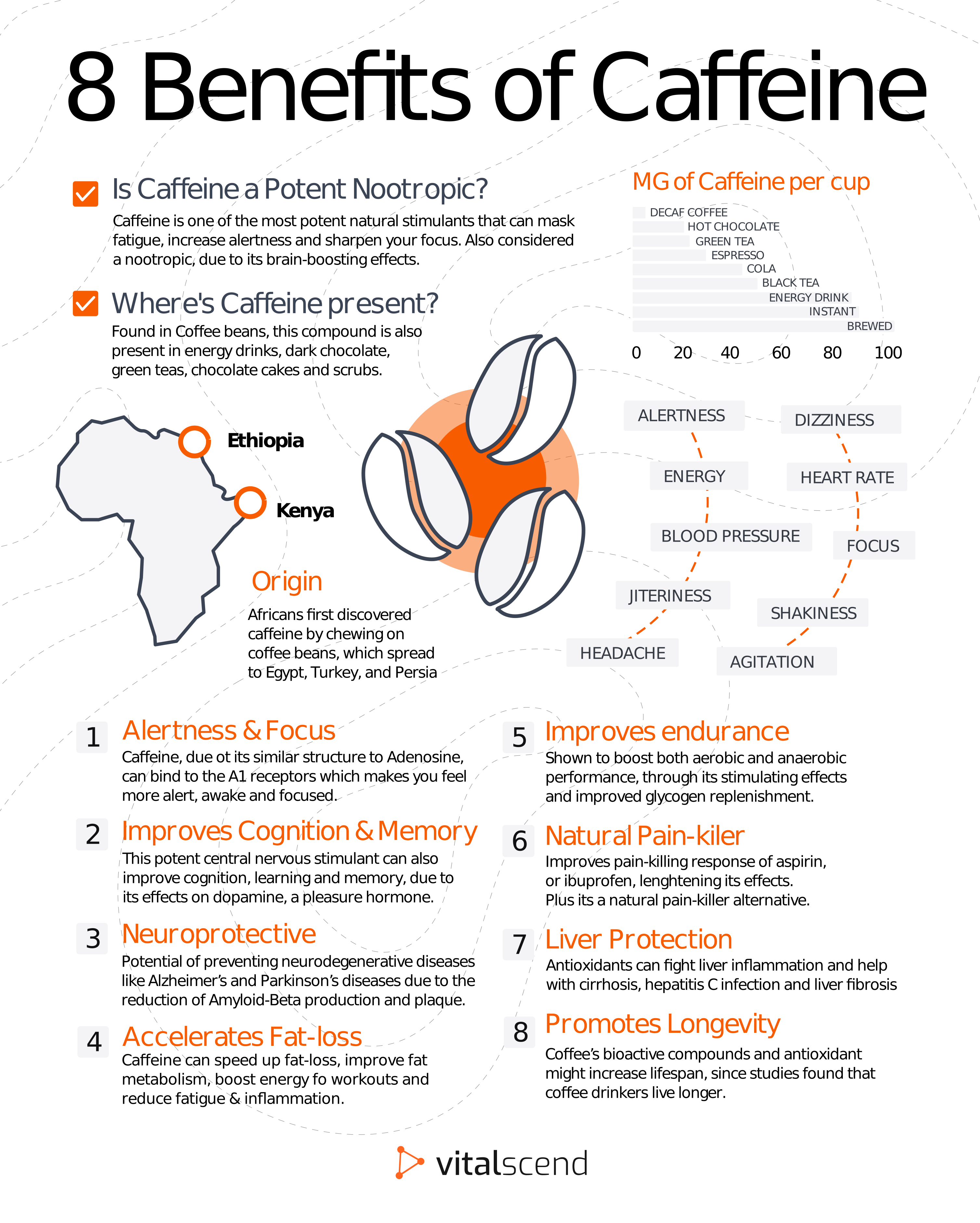
Caffeine is a type of compound found in plants, specifically in the leaves, seeds, and fruits of certain species. It’s classified as an alkaloid, which means it has stimulatory properties. The most common sources of caffeine are coffee beans, tea leaves, cocoa pods, and some medications.
3. Common Sources of Caffeine
While caffeine is often linked to coffee, it can be found in various other products, including:
- Energy drinks
- Cola beverages
- Chocolate
- Guarana
- Certain medications
4. Benefits of Caffeine
Caffeine has several benefits that make it a popular choice among individuals. Some of these benefits include:
- Improved mental clarity and focus
- Enhanced physical performance and endurance
- Increased alertness and energy
- Potential weight loss aid (when consumed in moderation)
5. The Science Behind Caffeine’s Effects
Caffeine works by blocking the action of adenosine, a chemical that makes us feel tired. By doing so, it increases the production of neurotransmitters like dopamine and norepinephrine, which play a role in attention and motivation. This is why caffeine can be particularly beneficial for individuals who need a mental boost or want to improve their focus.
6. Caffeine’s Impact on Physical Performance
For athletes and fitness enthusiasts, caffeine can be a valuable tool. It can help increase muscle contraction force and endurance, as well as delay the onset of fatigue. When consumed in moderation, caffeine can also enhance athletic performance by improving reaction time and reducing perceived exertion.
7. Caffeine’s Effects on Weight Loss
While caffeine may not directly lead to weight loss, it can contribute to a reduction in caloric intake when consumed in moderation. A study found that consuming 5-6 cups of coffee per day increased energy expenditure by 10-15%. However, it’s essential to note that this effect is not universal and may vary depending on individual factors like diet and physical activity level.
8. Caffeine’s Impact on Cardiovascular Health
Caffeine can have both positive and negative effects on cardiovascular health. On the one hand, moderate caffeine consumption has been linked to a lower risk of stroke, type 2 diabetes, and certain types of cancer. On the other hand, excessive caffeine intake can increase heart rate, blood pressure, and cardiac output, potentially leading to cardiovascular problems.
9. Caffeine’s Effects on the Digestive System
Caffeine can have both positive and negative effects on the digestive system. Some individuals may experience improved digestion and reduced symptoms of irritable bowel syndrome (IBS) due to caffeine’s ability to relax muscles in the digestive tract. However, high doses of caffeine can cause stomach upset, nausea, and diarrhea.
10. Caffeine’s Impact on Pregnancy and Breastfeeding
Caffeine can pass through the placenta and may affect fetal development during pregnancy. Pregnant women are advised to limit their caffeine intake to 200mg or less per day. For breastfeeding mothers, excessive caffeine consumption can lead to decreased milk production and infant sleep disturbances.
11. Caffeine’s Impact on Children and Adolescents
Caffeine can have negative effects on children and adolescents, particularly when consumed in large amounts or at a young age. It can interfere with sleep patterns, increase heart rate and blood pressure, and affect attention span and cognitive function.
12. Conclusion
In conclusion, caffeine is a complex substance that can have both positive and negative effects on our bodies. While it may offer benefits like improved mental clarity and physical performance, it’s essential to be aware of the potential risks associated with its consumption, particularly for certain individuals like pregnant women and children.
13. Frequently Asked Questions
Q: How much caffeine is too much?
A: Excessive caffeine consumption can lead to negative side effects such as jitteriness, anxiety, insomnia, rapid heartbeat, and increased urine production. Generally, healthy adults should limit their daily caffeine intake to 400mg or less.
Q: Can I consume caffeine if I’m sensitive to its effects?
A: If you’re sensitive to caffeine’s effects, consider reducing your intake gradually to minimize potential side effects. You can also try switching to decaf options or alternative energy boosters like fruits and nuts.
Q: Is caffeine safe for everyone?
A: Caffeine is generally considered safe for most adults in moderation. However, certain groups, such as pregnant women, children, and individuals with pre-existing medical conditions (e.g., high blood pressure), should limit their caffeine intake or consult their healthcare provider before consuming it.
Q: Can I consume caffeine without experiencing negative side effects?
A: Yes, many people can consume moderate amounts of caffeine without issues. However, individual tolerance to caffeine can vary greatly. Pay attention to your body’s response and adjust your consumption accordingly.
Q: What are the benefits of green tea versus black coffee?
A: Both green tea and black coffee contain caffeine, but green tea has higher antioxidant levels due to its polyphenol content. Black coffee, on the other hand, may have a slightly higher concentration of antioxidants than green tea.
Q: Can I consume too much caffeine in one sitting?
A: While moderate daily consumption is generally safe, consuming excessive amounts of caffeine at once can lead to negative side effects like jitteriness, anxiety, and increased heart rate. Be mindful of your body’s response and adjust your intake accordingly.
Q: Is there a maximum amount of caffeine I can safely consume?
A: While the FDA does not set an exact limit for daily caffeine intake, it recommends that healthy adults limit their consumption to 400mg or less per day.
14. Interactions with Medications
Caffeine can interact with certain medications, including:
- Stimulants (e.g., Ritalin)
- Narcotics
- Blood thinners
- Certain antidepressants
15. Caffeine and Mental Health
Caffeine can have both positive and negative effects on mental health. While it may help alleviate symptoms of depression and anxiety in some individuals, excessive caffeine consumption can exacerbate existing conditions.
16. Conclusion
In conclusion, caffeine is a complex substance that requires careful consideration when consumed. By understanding its effects, benefits, and risks, we can make informed decisions about our daily intake and minimize potential negative consequences.
17. Final Tips
- Be mindful of your body’s response to caffeine and adjust your consumption accordingly.
- Choose decaf options or alternative energy boosters like fruits and nuts if you’re sensitive to caffeine’s effects.
- Limit your daily caffeine intake to 400mg or less.
- Consult your healthcare provider before consuming caffeine, especially if you have pre-existing medical conditions.
By being aware of the effects of caffeine and taking steps to manage its consumption, we can harness its benefits while minimizing potential risks.


