
Introduction
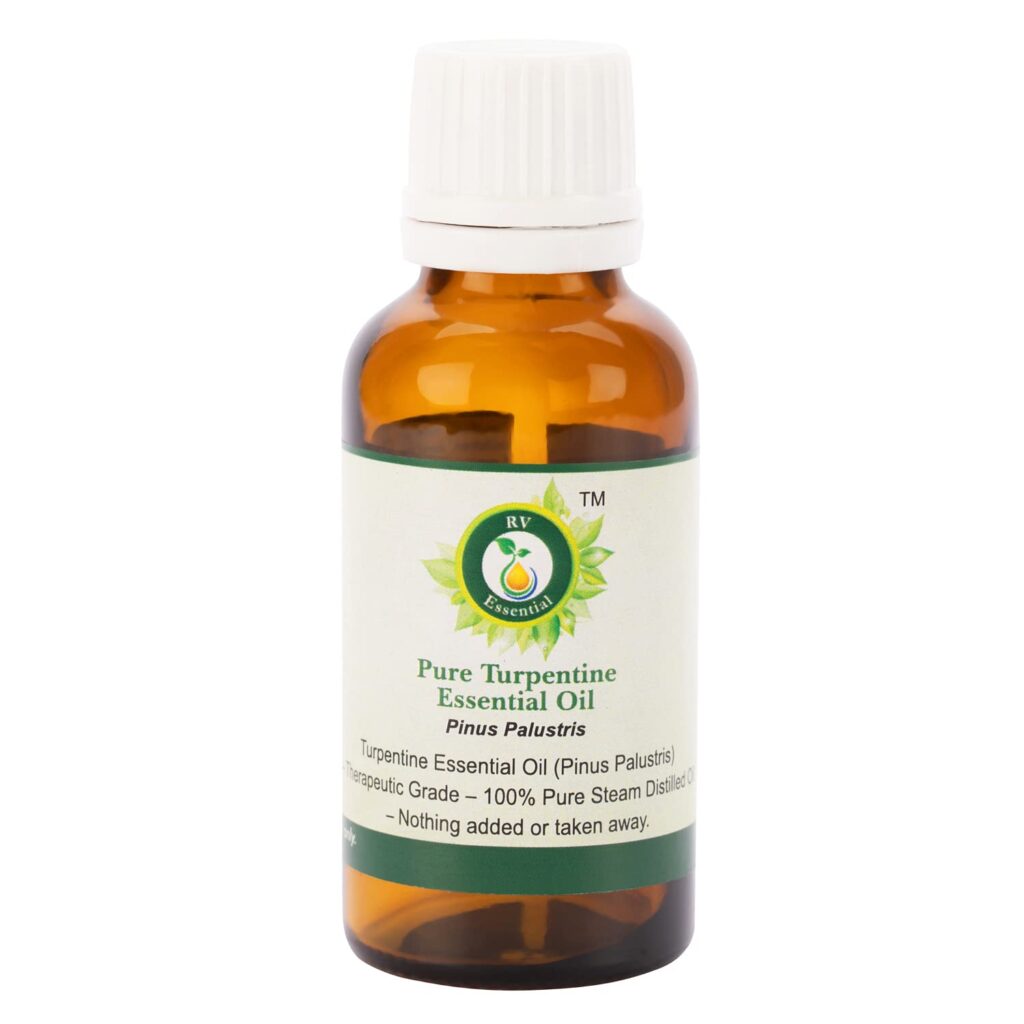
When it comes to essential oils, pine tree oil is one that stands out for its unique properties and benefits. However, it’s essential to understand that pine tree oil and pine essence are not exactly the same thing. In this article, we’ll delve into the differences between these two substances, explore their properties, uses, and potential risks.
What is Pine Tree Essential Oil?
Pine tree essential oil is derived from the resin of various tree species, including pines, firs, and spruces. The production process involves steam distillation, which helps to release the essential oils from the plant’s tissues. The resulting oil is a complex blend of compounds that can be used for therapeutic purposes.
Key Properties of Pine Tree Essential Oil
While pine tree oil has several properties that make it useful, it’s crucial to note that these properties are not exclusive to this particular oil. Here are some key benefits and uses:
- Balsamic: Pine tree oil has a balsamic effect, which means it can help soothe and calm the skin.
- Disinfectant and Antiseptic: The oil’s antimicrobial properties make it effective against bacteria and fungi, making it useful for wound care and skin infections.
- Anti-Inflammatory: Pine tree oil has anti-inflammatory properties, which can help reduce swelling and pain in the body.
- Analgesic: The oil can be used to relieve pain and discomfort due to its analgesic properties.
Using Pine Tree Essential Oil for Therapeutic Purposes
Pine tree oil can be used in various ways, including:
- Topical Application: Dilute the oil with a carrier oil and apply it to the skin to take advantage of its balsamic and anti-inflammatory properties.
- Massage Therapy: Use pine tree oil as part of massage therapy to relieve muscle tension and promote relaxation.
- Inhalation: Inhale the oil’s vapors to reduce stress and promote a sense of calm.
Precautions and Contraindications
While pine tree oil has several benefits, it’s essential to use it with caution:
- Dilution is Key: Always dilute pine tree oil with a carrier oil before applying it to the skin, as undiluted oils can be irritating.
- Avoid Contact with Mucous Membranes: Pine tree oil should not come into contact with mucous membranes, such as the eyes, nose, and mouth.
Where to Buy Pine Tree Essential Oil
Pine tree essential oil is relatively rare, so it may take some searching to find a reputable supplier. Look for online retailers or local health food stores that carry high-quality essential oils.
Conclusion
In conclusion, pine tree essential oil has unique properties that make it useful for therapeutic purposes. However, it’s crucial to use it with caution and follow proper dilution guidelines to avoid any potential risks. By understanding the benefits and limitations of this remarkable oil, you can harness its power to promote relaxation, relieve pain, and support overall well-being.
Frequently Asked Questions (FAQs)
- What is the difference between pine tree essential oil and pine essence?
- Pine tree essential oil is a concentrated extract of plant material, while pine essence is a more diluted version.
- How do I dilute pine tree essential oil for topical use?
- Always dilute pine tree oil with a carrier oil at a ratio of 5-6%.
- Can I take pine tree essential oil orally?
- No, it’s not recommended to ingest pine tree essential oil.
-
What are the potential risks associated with using pine tree essential oil?
- Potential risks include skin irritation, allergic reactions, and mucous membrane irritation.
-
Where can I buy high-quality pine tree essential oil?
- Look for reputable online retailers or local health food stores that carry high-quality essential oils.
-
Can pine tree essential oil be used in massage therapy?
- Yes, pine tree oil can be used as part of massage therapy to relieve muscle tension and promote relaxation.
-
What is the best way to store pine tree essential oil?
- Store pine tree essential oil in a cool, dark place to preserve its potency.
-
Can I use pine tree essential oil for wound care?
- Yes, the oil’s antimicrobial properties make it useful for wound care and skin infections.
-
What are some common uses for pine tree essential oil?
- Topical application, massage therapy, inhalation, and wound care.
-
Can I use pine tree essential oil if I have allergies?
- If you have allergies, consult with a healthcare professional before using pine tree essential oil.
-
How do I know if pine tree essential oil is high-quality?
- Look for reputable suppliers, check the label for quality certifications, and follow proper dilution guidelines.
-
Can I use pine tree essential oil on children?
- Consult with a healthcare professional before using pine tree essential oil on children.
-
What are some potential interactions with medications or other health conditions?
- Consult with a healthcare professional before using pine tree essential oil if you have any underlying medical conditions or take medications.
-
Can I use pine tree essential oil for aromatherapy?
- Yes, the oil’s vapors can be inhaled to promote relaxation and reduce stress.
- How do I properly dispose of pine tree essential oil?
- Dispose of pine tree essential oil in a responsible manner, such as through recycling or proper waste management.
Additional Uses for Pine Tree Essential Oil
In addition to its therapeutic uses, pine tree essential oil can also be used in various other ways:
- Air Freshener: Add a few drops of pine tree essential oil to a diffuser or spray it on surfaces to create a refreshing scent.
- Natural Cleaning Agent: Mix pine tree essential oil with water and vinegar to create an effective natural cleaning solution.
- Insect Repellent: Add a few drops of pine tree essential oil to insect repellents for added effectiveness.
Precautions When Using Pine Tree Essential Oil
While pine tree essential oil is generally safe to use, there are some precautions to be aware of:
- Skin Irritation: Undiluted pine tree essential oil can cause skin irritation, so always dilute it with a carrier oil before applying it to the skin.
- Allergic Reactions: If you have allergies, consult with a healthcare professional before using pine tree essential oil.
- Mucous Membrane Irritation: Pine tree essential oil should not come into contact with mucous membranes, such as the eyes, nose, and mouth.
Conclusion
In conclusion, pine tree essential oil is a versatile substance that can be used for therapeutic purposes, natural cleaning, air freshening, and other uses. However, it’s crucial to use it with caution and follow proper dilution guidelines to avoid any potential risks. By understanding the benefits and limitations of this remarkable oil, you can harness its power to promote relaxation, relieve pain, and support overall well-being.
Final Thoughts
Pine tree essential oil is a unique substance that offers numerous benefits for therapeutic purposes, natural cleaning, air freshening, and other uses. However, it’s crucial to use it with caution and follow proper dilution guidelines to avoid any potential risks. By understanding the benefits and limitations of this remarkable oil, you can harness its power to promote relaxation, relieve pain, and support overall well-being.
Sources
- “The Essential Oil Handbook” by Dr. Jean Valnet
- “Aromatherapy for Beginners” by Karen Gilbert
- “The Complete Guide to Essential Oils” by Andrew and Nancy Johnson
By following the guidelines outlined in this article, you can safely use pine tree essential oil for therapeutic purposes and other uses.


