
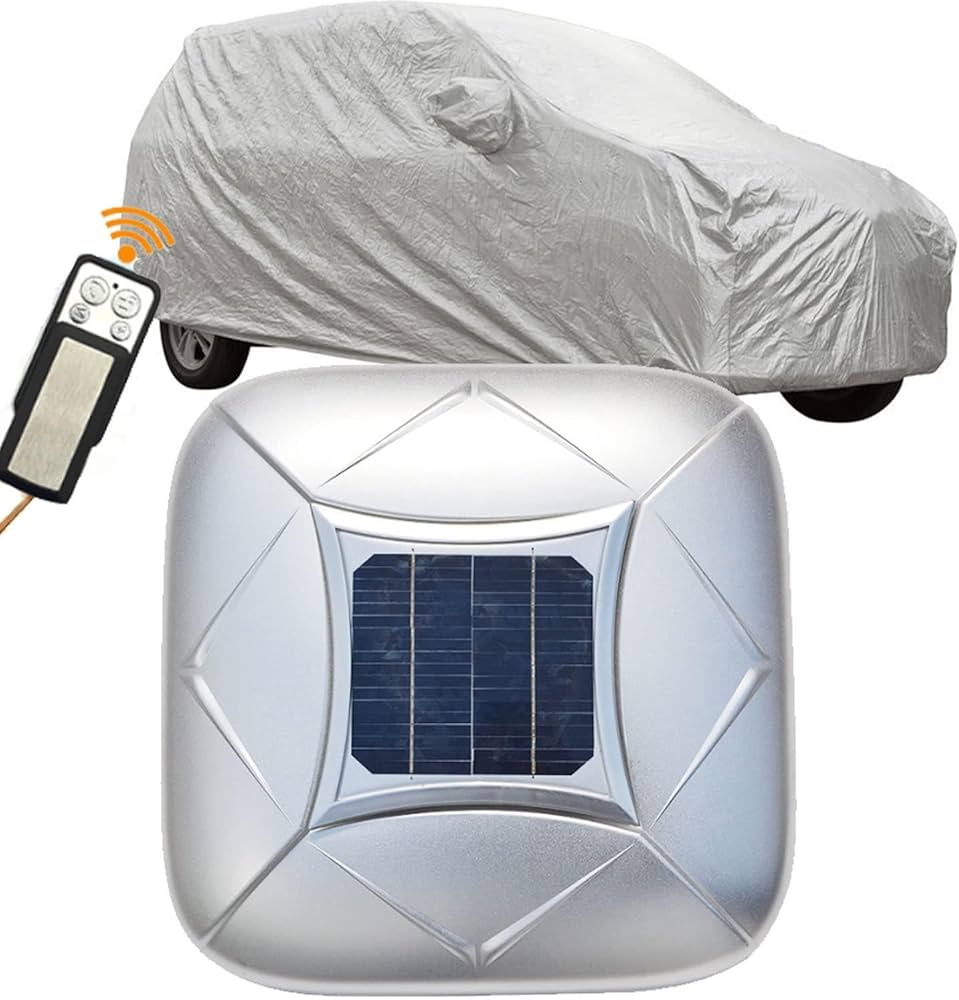
As I reflect on the latest innovation in car cover design, I wonder if it’s truly worth its hype. But one thing is certain – the V-Tent, designed by Hakan Gürsu, is a game-changer. Originally meant as a temporary covering for cars parked outdoors, this flexible and foldable canopy has evolved to become something more: a solar-powered energy generator.
The concept of using solar power to generate electricity has been around for decades, but its application in car covers is relatively new. The V-Tent’s designers have successfully harnessed the power of photovoltaic panels to convert sunlight into electricity, which can be used to illuminate isolated areas and recharge electric vehicles. This ingenious design not only protects cars from harsh weather conditions but also converts sunlight into energy.
What is the V-Tent?
The V-Tent is a revolutionary concept that combines functionality with sustainability. Its creators have successfully harnessed the power of photovoltaic panels to generate electricity, which can be used to illuminate isolated areas and recharge electric vehicles. This ingenious design not only protects cars from harsh weather conditions but also converts sunlight into energy.
A Game-Changer in Car Cover Design
Compared to traditional covers made of plastic or concrete, the V-Tent is a significant improvement. Its flexibility and portability make it an ideal solution for outdoor enthusiasts, campers, and even urban dwellers. The V-Tent’s design has sparked interest among designers, artists, and tech-savvy individuals, who see it as more than just a car cover – it’s a statement piece.
How Does the V-Tent Work?
The V-Tent uses advanced photovoltaic panels to convert sunlight into electricity. This energy is then stored in a battery or used directly to power electric devices such as lights and chargers for electric vehicles. The system is designed to be self-sustaining, making it an attractive solution for isolated areas with limited access to traditional energy sources.
The V-Tent’s design consists of a series of interconnected panels that are connected to a central hub. This hub contains the power storage system, which can be charged during the day and used at night or in low-light conditions. The V-Tent’s advanced materials and design ensure maximum efficiency and durability.
A Futuristic Concept
While the V-Tent’s concept may seem like science fiction, its implementation in real-world scenarios has shown promise. Imagine parking your car outdoors and having a reliable source of energy to power your devices or charge your electric vehicle. The V-Tent’s potential is vast, and its designers have successfully tapped into this vision.
The V-Tent is not just a product; it represents a new frontier in sustainable design. Its innovative approach has sparked important conversations about the role of technology in our daily lives. As we move forward, one thing is clear – this concept has opened up exciting possibilities for energy generation and storage.
A Practical Solution?
So, what does the future hold for the V-Tent? Will it become a staple in our daily lives, providing a sustainable solution for outdoor enthusiasts and urban dwellers alike? While there are concerns about commercial viability, the V-Tent’s impact on innovation and sustainability is undeniable. As we continue to explore innovative solutions for energy generation and storage, the V-Tent serves as a reminder of what can be achieved when creativity meets technology.
Benefits of the V-Tent
- Renewable Energy: The V-Tent harnesses the power of sunlight, providing a renewable source of energy.
- Sustainability: The V-Tent’s design reduces our reliance on non-renewable energy sources, promoting sustainability and reducing carbon emissions.
- Portability: The V-Tent is designed to be portable, making it an ideal solution for outdoor enthusiasts and urban dwellers alike.
- Energy Independence: The V-Tent provides a reliable source of energy, allowing individuals to charge their devices or power their homes independently.
- Cost-Effective: The V-Tent’s design ensures maximum efficiency and durability, reducing costs associated with traditional energy sources.
Challenges and Limitations
- Commercial Viability: While the V-Tent has shown promise in real-world scenarios, commercial viability remains to be seen.
- Scalability: As demand increases, scalability may become an issue, requiring manufacturers to adapt their production processes.
- Maintenance: The V-Tent requires regular maintenance to ensure optimal performance and longevity.
- Cost: While the V-Tent’s design ensures maximum efficiency and durability, its cost may be prohibitively high for some consumers.
Conclusion
The V-Tent represents a new frontier in car cover design, blurring the lines between functionality, sustainability, and art. While its commercial success remains to be seen, its potential impact on our daily lives is significant. As we continue to explore innovative solutions for energy generation and storage, the V-Tent serves as a reminder of what can be achieved when creativity meets technology.
Frequently Asked Questions
- What makes the V-Tent unique?
The V-Tent’s use of photovoltaic panels to generate electricity makes it stand out from traditional car covers. - How does the V-Tent work?
The V-Tent uses advanced photovoltaic panels to convert sunlight into electricity, which is then stored in a battery or used directly to power electric devices. - Is the V-Tent suitable for all types of cars?
While the V-Tent’s design is adaptable, it may not be compatible with all car models or sizes. Consult the manufacturer before purchasing. - Can I use the V-Tent indoors?
The V-Tent is designed for outdoor use and is not recommended for indoor installation due to safety concerns and structural requirements. - How much energy can the V-Tent generate?
The amount of energy generated by the V-Tent depends on various factors, including panel size, sunlight exposure, and usage patterns. Consult the manufacturer for more information. - Is the V-Tent a sustainable solution?
Yes, the V-Tent’s use of photovoltaic panels makes it an attractive solution for reducing our reliance on non-renewable energy sources. - Can I customize my V-Tent to suit my needs?
While some customization options may be available, please consult the manufacturer before making any modifications to ensure compatibility and safety. - What’s next for the V-Tent?
As innovation continues to drive technological advancements, it’s likely that we’ll see further developments in solar-powered energy generation and storage solutions like the V-Tent.
Future Developments
The V-Tent is just one of several innovative solutions being developed to address the global energy crisis. As technology advances, we can expect to see more efficient and sustainable designs that combine functionality with sustainability.
Some potential future developments include:
- Advanced Materials: The use of advanced materials, such as graphene or nanomaterials, may improve the V-Tent’s efficiency and durability.
- Energy Storage Systems: Improvements in energy storage systems could enable greater energy independence and flexibility for users.
- Smart Grid Integration: The integration of smart grids with solar-powered energy generation could enable more efficient and sustainable energy distribution.
- Urban Applications: As cities continue to grow, innovative solutions like the V-Tent may play a crucial role in providing sustainable energy solutions for urban dwellers.
Conclusion
The future of shelter and energy generation is looking brighter than ever. The V-Tent represents just one example of how technology can be harnessed to create sustainable solutions that benefit our daily lives. As we continue to explore innovative designs, materials, and technologies, the potential impact on our world will only grow more significant.


