
Introduction
Passiflora caerulea, also known as the Blue Passion Flower or Blue Passion Plant, is a popular ornamental plant native to South America. Its unique and attractive features have made it a favorite among gardeners and flower enthusiasts alike. In this article, we will delve into the world of Passiflora caerulea, exploring its history, characteristics, benefits, and care requirements.
History of Passiflora Caerulea
Passiflora caerulea is believed to have originated in South America, where it has been cultivated for centuries. The plant’s popularity spread throughout the Americas, Africa, and Asia, making it a staple in many gardens and landscapes. Its striking features, including its vibrant blue flowers and edible fruit, have made it a beloved choice among gardeners.
Characteristics of Passiflora Caerulea
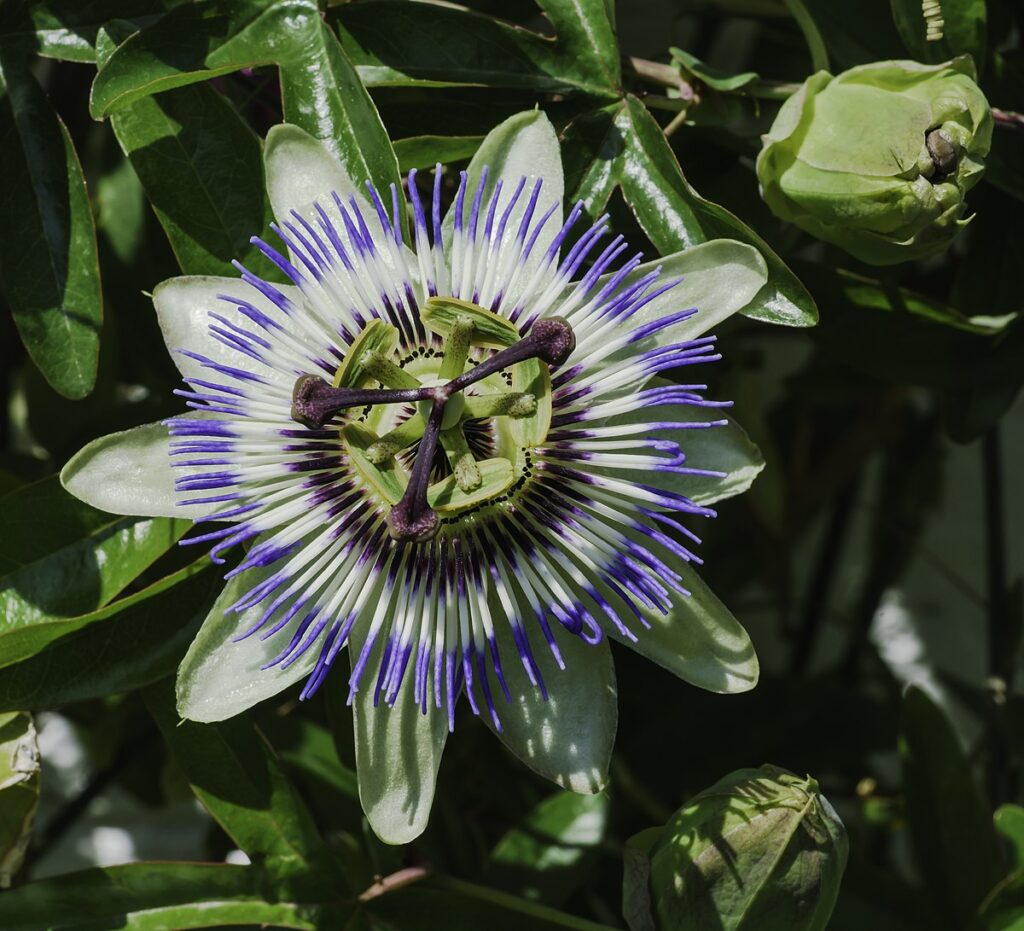
Passiflora caerulea is an evergreen perennial plant with a rampicant habit, meaning it can grow upwards and cover walls, trellises, or other supports. Its leaves are lance-shaped and simple, with a bright green color. The plant’s most striking feature, however, is its large blue flowers, which bloom throughout the summer months.
Fruit of Passiflora Caerulea
Passiflora caerulea produces edible fruit, known as passion fruits or maracujas. These small, oval-shaped fruits are a favorite among birds and other wildlife, but they can also be enjoyed by humans. The fruit is rich in nutrients and has been shown to have numerous health benefits.
Benefits of Passiflora Caerulea
Passiflora caerulea has been used for centuries in traditional medicine, and its benefits are still widely recognized today. Some of the key benefits include:
- Anti-inflammatory properties: The plant’s active compounds have been shown to reduce inflammation and alleviate symptoms associated with conditions like arthritis.
- Antioxidant effects: Passiflora caerulea is rich in antioxidants, which help protect cells from damage caused by free radicals.
- Anxiety and stress relief: The plant’s sedative properties make it an effective natural remedy for anxiety and stress-related disorders.
- Improved sleep quality: Passiflora caerulea has been shown to promote relaxation and improve sleep quality in individuals with insomnia.
Propagation and Care
Passiflora caerulea is relatively easy to care for and can be propagated through seeds, cuttings, or layering. To ensure optimal growth, provide the plant with:
- Full sun to partial shade: Passiflora caerulea prefers bright light but can tolerate partial shade.
- Well-draining soil: The plant thrives in well-draining soil with a pH between 6.0 and 7.0.
- Regular watering and fertilization: Water your Passiflora caerulea regularly, but avoid overwatering. Fertilize the plant during the growing season to promote healthy growth.
Other Varieties of Passiflora
While Passiflora caerulea is one of the most popular varieties, there are many others worth exploring. Some notable examples include:
- Passiflora edulis: Known for its sweet and juicy fruit, this variety is a favorite among gardeners.
- Passiflora quadrangularis: This variety produces large, showy flowers and is often used as an ornamental plant.
- Passiflora umbellicata: With its unique umbrella-shaped flowers, this variety is sure to add a touch of elegance to any landscape.
Conclusion
Passiflora caerulea is a beautiful and versatile plant that offers numerous benefits for gardeners, wildlife, and humans alike. Its striking features, including its blue flowers and edible fruit, make it a popular choice among flower enthusiasts. By following proper care and propagation techniques, you can enjoy the many benefits of Passiflora caerulea in your own garden.
Frequently Asked Questions
- What is the best time to plant Passiflora caerulea?
- How often should I water my Passiflora caerulea?
- Can I grow Passiflora caerulea indoors?
- Are Passiflora caerulea and Passion Fruit the same thing?
-
Can I eat the seeds of Passiflora caerulea?
-
The best time to plant Passiflora caerulea is in the spring or fall, when the weather is cooler.
- Water your Passiflora caerulea regularly, but avoid overwatering, which can lead to root rot and other problems.
- Yes, you can grow Passiflora caerulea indoors, as long as you provide it with sufficient light and warmth.
- While Passiflora caerulea and Passion Fruit are related plants, they are not the same thing. Passion Fruit is a specific type of fruit that comes from the Passiflora edulis variety.
- Yes, you can eat the seeds of Passiflora caerulea, but be sure to remove any outer coatings or pulp before consuming them.
Common Problems and Solutions
- Leaf Spot: Leaf spot is a common problem affecting many plants, including Passiflora caerulea. The solution involves removing infected leaves and treating the plant with fungicides.
- Root Rot: Root rot can occur when the plant is overwatered or exposed to excess moisture. To prevent root rot, ensure good drainage and reduce watering frequency during the winter months.
Conclusion
Passiflora caerulea is a popular ornamental plant that offers numerous benefits for gardeners, wildlife, and humans alike. By understanding its history, characteristics, benefits, and care requirements, you can enjoy the many rewards of growing this beautiful plant in your own garden.
Additional Resources
- National Gardening Association: A comprehensive resource for gardening information, including tips on propagating Passiflora caerulea.
- The Royal Horticultural Society: Offers guidance on cultivating Passiflora caerulea, including advice on pruning and training.
- Gardening Know How: Provides in-depth information on growing Passiflora caerulea, including care tips and common problems.


