
Have you ever wondered what those tiny holes in your wooden furniture are? Are they a sign of a pest infestation, or can they be easily fixed? In this article, we’ll delve into the world of woodworms, also known as termites, and provide you with practical tips on how to eliminate them and prevent future infestations.
Understanding Woodworms
Woodworms are tiny insects that feed on wood, causing damage to the structure and appearance of your furniture. There are two main species of woodworm: the common furniture beetle (Anobium punctatum) and the deathwatch beetle (Xestobius badius). The former is smaller and typically attacks younger wood, while the latter is larger and can attack older wood.
Do Woodworms Make Noise?
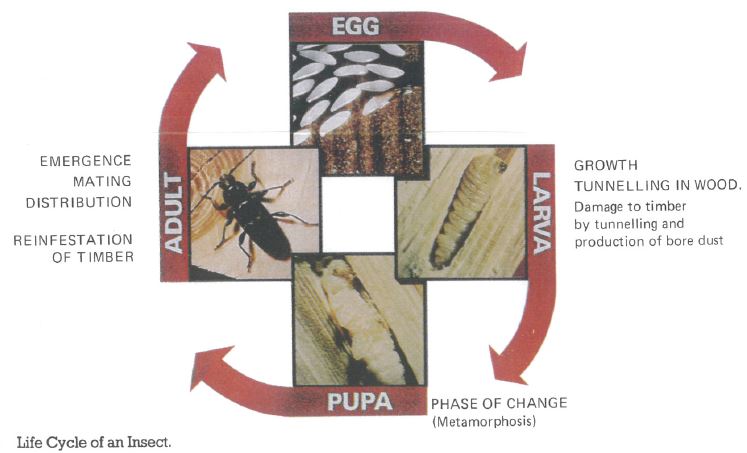
Contrary to popular belief, woodworms do not produce noise. However, their larvae can create holes in the wood as they feed on it. These holes can be difficult to spot, especially if you’re not aware of the signs of infestation.
Can Woodworms Attack Humans?
While woodworms are not typically a threat to human health, their presence can cause discomfort and allergies. Some people may experience skin irritation or respiratory issues due to the dust and debris produced by these insects.
How to Eliminate Woodworms
Eliminating woodworms requires a combination of good housekeeping practices, professional treatment, and preventative measures.
Treatment Options
There are several treatment options available to eliminate woodworms, including:
- Insecticidal treatments: These can be applied directly to the affected area or used in conjunction with other methods.
- Baiting systems: These involve placing bait stations near the infested area to attract and kill the insects.
Prevention is Key
To prevent future infestations, it’s essential to maintain good housekeeping practices, including:
- Regularly inspecting furniture for signs of damage or holes
- Storing wood in dry, well-ventilated areas
- Keeping floors and surfaces clean and free of debris
Tips for Tapping Holes
If you’ve already discovered a hole, here are some tips to help you repair it:
- Use a hot glue gun to fill the hole with melted glue.
- Apply a coat of varnish or polyurethane to protect the wood from further damage.
Natural Remedies
In addition to professional treatment and preventative measures, there are several natural remedies that can help deter woodworms. These include:
- Essential oils: Certain essential oils, such as eucalyptus oil, have been shown to repel woodworms.
- Diatomaceous earth: This powder is made from the fossilized remains of tiny aquatic organisms and can be used to repel insects.
Conclusion
Eliminating woodworms requires a combination of good housekeeping practices, professional treatment, and preventative measures. By understanding the signs of infestation and taking steps to prevent future damage, you can keep your wooden furniture looking its best for years to come.
Frequently Asked Questions
- How do I know if my wooden furniture has been infested with woodworms?
- What are the most common signs of a woodworm infestation?
- Can woodworms be prevented from entering my home?
- How long does it take to eliminate woodworms from furniture?
- Are there any natural remedies that can help deter woodworms?
Additional Resources
- National Pest Technicians Association (NPTA)
- Woodworm Prevention and Control Guide
- DIY Woodworm Removal
By following these tips and taking a proactive approach to pest control, you can enjoy your wooden furniture for years to come.
In addition to the above information, here are some additional tips for preventing woodworm infestations:
- Keep your home dry: Woodworms thrive in humid environments. Keeping your home dry will make it less likely that they will infest.
- Store wood properly: If you have wood that is not being used immediately, store it in a dry, well-ventilated area. Do not stack the wood too high, as this can create an ideal environment for woodworms to grow.
- Check your furniture regularly: Regularly inspecting your wooden furniture for signs of damage or holes will help you catch any potential infestations early.
By following these tips and taking a proactive approach to pest control, you can enjoy your wooden furniture for years to come.
Common Types of Woodworms
There are several types of woodworms that can infest your home. Some of the most common include:
- Common Furniture Beetle (Anobium punctatum)
- Deathwatch Beetle (Xestobius badius)
- Powderpost Beetle (Lyctus brunneus)
Each type of woodworm has its own unique characteristics and behaviors, which can make it important to identify them correctly.
Identifying Woodworms
Identifying woodworms can be challenging, but there are several signs you can look out for. Some common signs include:
- Tiny holes in the wood
- Discoloration or staining of the wood
- Dust or debris on the furniture
By being aware of these signs and taking action quickly, you can prevent further damage and eliminate the infestation.
How to Identify Common Types of Woodworms
Identifying common types of woodworms can be challenging, but there are several characteristics you can look out for. Here are some tips:
- Common Furniture Beetle (Anobium punctatum): This type of woodworm is typically small, about 1-2mm in length. It has a brown or black color and can cause small holes in the wood.
- Deathwatch Beetle (Xestobius badius): This type of woodworm is larger than the common furniture beetle, about 3-5mm in length. It has a distinctive sound it makes when its larvae are present.
By being aware of these characteristics and taking action quickly, you can prevent further damage and eliminate the infestation.
How to Prevent Woodworms from Infesting Your Home
Preventing woodworms from infesting your home requires good housekeeping practices and regular inspections. Here are some tips:
- Keep your home dry: Woodworms thrive in humid environments. Keeping your home dry will make it less likely that they will infest.
- Store wood properly: If you have wood that is not being used immediately, store it in a dry, well-ventilated area. Do not stack the wood too high, as this can create an ideal environment for woodworms to grow.
- Check your furniture regularly: Regularly inspecting your wooden furniture for signs of damage or holes will help you catch any potential infestations early.
By following these tips and taking a proactive approach to pest control, you can enjoy your wooden furniture for years to come.


