
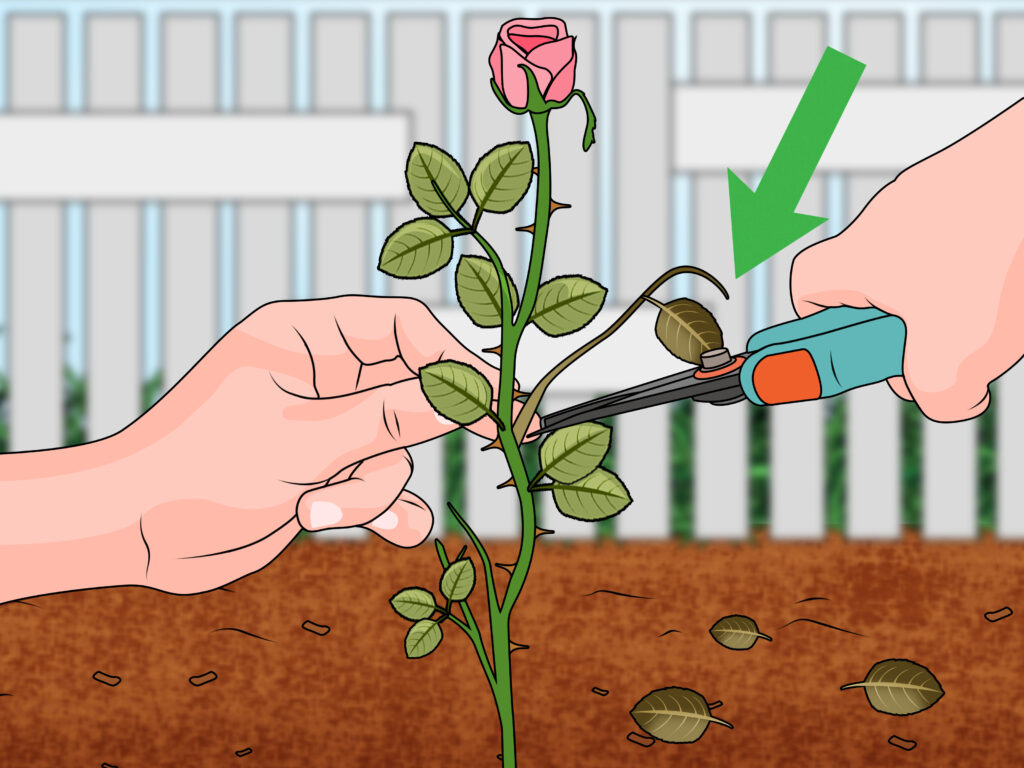
Rose propagation is a fascinating topic that allows gardeners to multiply their favorite blooms. There are four main methods of rose propagation: cutting, grafting, budding, and layering. Each method has its own set of challenges and requirements, but with the right guidance, anyone can become a master rose propagator.
Understanding the Methods
Before diving into the world of rose propagation, it’s essential to understand the different methods available. Cutting, grafting, budding, and layering each have their unique advantages and disadvantages.
- Cutting Method: This involves taking a section of stem from a mature rose bush and allowing it to root in soil or water.
- Grafting Method: Grafting involves joining a piece of stem from one plant (called a scion) to the root system of another plant (called a rootstock).
- Budding Method: Budding involves removing a small section of stem from one plant and attaching it to the root system of another plant.
- Layering Method: Layering involves bending a stem from a rose bush over a trench, allowing roots to form before cutting the stem below.
Choosing the Right Method
Before selecting a propagation method, it’s crucial to consider the type of rose you’re working with. Different varieties require specific techniques, so make sure to research the best approach for your particular plant. If you’re new to rose propagation, we recommend starting with cutting or grafting methods, as they are relatively simple and straightforward.
The Benefits of Rose Propagation
Rose propagation offers numerous benefits for gardeners. By multiplying their favorite roses, gardeners can:
- Share their passion for rose gardening with friends and family
- Experiment with new rose varieties and hybridization techniques
- Maintain a healthy and productive plant through regular propagation
Tips and Tricks for Successful Propagation
To ensure successful propagation, follow these tips and tricks:
- Choose Healthy Stock: Select healthy, disease-free plants for propagation.
- Use the Right Materials: Use high-quality propagation materials, such as grafting knives and rooting hormone.
- Provide Optimal Conditions: Provide optimal conditions for root growth and development, including adequate light, water, and nutrients.
Common Challenges in Rose Propagation
While rose propagation can be a rewarding experience, it’s not without its challenges. Some common issues gardeners face include:
- Low Success Rates: Low success rates can be caused by inadequate conditions, poor technique, or unsuitable stock.
- Pests and Diseases: Pests and diseases can affect the health of newly propagated plants.
- Transplant Shock: Transplant shock can occur when plants are suddenly transferred from one environment to another.
By understanding these challenges and taking steps to mitigate them, gardeners can overcome common obstacles and achieve success in rose propagation.
Conclusion
Rose propagation is a fascinating topic that offers numerous benefits for gardeners. By choosing the right method, providing optimal conditions, and overcoming common challenges, gardeners can successfully multiply their favorite roses and enjoy a bountiful harvest of beautiful blooms. Whether you’re a seasoned gardener or just starting out, rose propagation is an exciting journey worth exploring.
The Cutting Method: A Simple Yet Effective Approach
The cutting method involves taking a section of stem from a mature rose bush and allowing it to root in soil or water. This technique is suitable for most types of roses, but it’s best used during the spring and summer months when the plant is actively growing.
Timing is Everything
- Spring: June-July (for non-lignified stems) or November-December (for lignified stems)
- Autumn: September
Step-by-Step Guide to Cutting Roses
- Choose a healthy, mature rose stem with at least two sets of leaves.
- Cut the stem about 12-18 inches from the base using sharp pruning shears.
- Remove lower leaves to prevent waterlogged soil and promote rooting.
- Plant the cutting in a well-draining potting mix or water it in a glass of water.
Grafting Method: A More Challenging but Rewarding Approach
Grafting involves joining a piece of stem from one plant (called a scion) to the root system of another plant (called a rootstock). This technique is ideal for creating disease-resistant or high-yielding rose varieties. However, it requires more expertise and specialized equipment.
Propagating Roses with Margot
Margot propagation is an innovative technique that uses plastic wrap or specialized covers to create a humid microclimate around the cut stem. This allows the plant to focus its energy on developing roots rather than producing leaves. However, it’s essential to choose the right type of rose for this method.
Innesto a Scudetto: A Recommended Technique
Innesto a scudetto is a grafting technique that involves joining a piece of stem from one plant to the root system of another plant using a specialized tool called a grafting knife. This method produces robust and long-lived plants, but it requires some expertise.
Step-by-Step Guide to Grafting Roses
- Choose a healthy, mature rose scion with at least two sets of leaves.
- Prepare the rootstock by removing any existing leaves or branches.
- Apply a small amount of grafting wax to the cut area on both plants.
- Join the scion to the rootstock using the grafting knife.
Budding Method: A Simpler Alternative
Budding involves removing a small section of stem from one plant and attaching it to the root system of another plant. This method is less common than cutting but can be effective for certain types of roses.
Propagating Roses through Budding
- Choose a healthy, mature rose bush with multiple stems.
- Remove lower leaves on both plants to prevent waterlogged soil and promote rooting.
- Gently twist the stem from one plant onto the root system of another plant.
- Secure the stem using twine or tape.
Layering Method: A Low-Maintenance Approach
Layering involves bending a stem from a rose bush over a trench, allowing roots to form before cutting the stem below. This method is ideal for plants that are difficult to propagate through other methods.
Step-by-Step Guide to Layering Roses
- Choose a healthy, mature rose bush with multiple stems.
- Bend a stem from the rose bush over a trench, using soil or mulch to support it.
- Allow roots to form for several months before cutting the stem below.
- Cut the stem at the point where the branch meets the root system.
Propagation is an Excellent Way to Share Your Passion
Rose propagation offers numerous benefits for gardeners, including sharing their passion with friends and family, experimenting with new rose varieties, and maintaining a healthy and productive plant through regular propagation. By choosing the right method and following these tips and tricks, gardeners can overcome common challenges and achieve success in rose propagation.
Q\&A
1. What is the best method for propagating roses?
* The best method depends on the type of rose and personal preference. Cutting and grafting are popular choices among beginners, while budding and layering require more expertise.
2. When should I propagate my roses?
* Spring (June-July) and autumn (September) are ideal times for propagating most types of roses.
3. How often do I need to propagate my roses?
* Roses typically take 1-2 years to produce fruit after propagation. Regular propagation can help maintain a healthy and productive plant.
4. Can I propagate rose bushes from seed?
* Yes, you can propagate rose bushes from seed, but the resulting plants may not be true-to-form or produce desirable traits.
5. Are there any specific considerations for propagating certain types of roses?
* Different varieties require specific techniques. Research the best approach for your particular plant before starting.
By following these guidelines and choosing the right method, you can successfully propagate your favorite rose varieties and enjoy a bountiful harvest of beautiful blooms.


