
The Power of Papaver: Unlocking its Health Benefits and Uses
As we navigate the world of natural remedies, it’s essential to understand the properties and uses of various plants. One such plant that has gained significant attention in recent years is the papaver, also known as the poppy flower. In this article, we’ll delve into the world of papavero, exploring its history, health benefits, and practical applications.
What is Papaver?
Papaver rhoeas L., commonly known as the common poppy or red poppy, is an annual herb that grows up to 60 cm in height. It’s characterized by a slender, hairy stem, incised leaves, and showy red flowers with round petals covered at the base by a black spot.
Properties of Papaver
The papaver plant contains several bioactive compounds, including:
- Acid gallico: A type of organic acid that has been shown to have anti-inflammatory properties.
- Acid malico: A naturally occurring acid found in many plants, known for its antimicrobial and antifungal properties.
- Acid monoico roedico: A fatty acid with potential anti-inflammatory effects.
- Mucillagine: A thick, protective substance that can help soothe and calm irritated tissues.
- Readina alcaloide: A type of alkaloid found in various plants, known for its sedative and calming properties.
These bioactive compounds contribute to the papaver’s impressive list of health benefits, including:
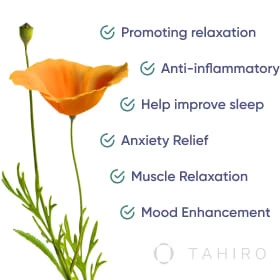
- Calming effects: The papaver’s ability to reduce stress and anxiety makes it an excellent natural remedy for promoting relaxation.
- Expectorant properties: The plant’s mucillagine content can help loosen and clear mucus from the respiratory system, making it a useful treatment for coughs and colds.
- Sedative effects: The papaver’s readina alcaloide content has been shown to have sedative properties, making it an effective natural remedy for insomnia.
- Anti-inflammatory effects: The plant’s acid gallico content can help reduce inflammation and alleviate symptoms associated with conditions such as arthritis.
Preparing Papaver Remedies
With its impressive array of bioactive compounds, the papaver offers numerous opportunities for natural remedies. Here are a few examples:
- Sciroppo naturale contro la tosse: Steep 400 grams of fresh flowers in a liter of boiling water for 12 hours, then mix with 500 grams of sugar and simmer until the mixture thickens.
- Rimedio naturale all’insonnia: Infuse 15 grams of dried papaver flowers in a liter of water for 10 minutes, then drink before bedtime.
Using Papaver in Cooking
The papaver’s seeds are a rich source of nutrients, including:
- Calcium: Essential for maintaining strong bones and teeth.
- Vitamin E: A powerful antioxidant that helps protect cells from damage.
- Acids grassi: A type of fatty acid with potential health benefits.
The papaver’s seeds can be used in a variety of dishes, including:
- Pane rustici: Add the seeds to your favorite bread recipe for an extra boost of nutrition and flavor.
- Focacce: Mix the seeds into dough for a delicious and nutritious snack.
- Strudel ai semi di papavero: A traditional Trentino-Alto Adige dessert made with poppy seeds, perfect for satisfying your sweet tooth.
Precautions and Contraindications
While papaver is generally considered safe, it’s essential to be aware of potential precautions and contraindications:
- Allergic reactions: Some individuals may experience allergic reactions when consuming papaver or using its extracts.
- Pregnancy and breastfeeding: Papaver should not be used during pregnancy or breastfeeding without consulting a healthcare professional.
- Interactions with medications: Papaver may interact with certain medications, including sedatives and antidepressants.
Conclusion
In conclusion, the papaver is a versatile plant with a wealth of health benefits and practical applications. From its calming effects to its anti-inflammatory properties, the papaver offers numerous opportunities for natural remedies and culinary uses. Whether you’re looking to reduce stress, alleviate symptoms, or simply enjoy a delicious dessert, the papaver is definitely worth exploring.
Frequently Asked Questions
- Is papaver safe to use?
Papaver is generally considered safe when used in moderation. However, it’s essential to consult with a healthcare professional before using any new remedy, especially if you have underlying health conditions or allergies. - Can I grow my own papaver?
Yes, papaver can be grown at home. Plant seeds in well-draining soil and provide adequate sunlight for optimal growth. - How do I store papaver seeds?
Store papaver seeds in an airtight container to preserve their nutritional value. - Can I use papaver as a natural dye?
Yes, the plant’s petals can be used as a natural dye for various fabrics and materials. - Are there any potential side effects of using papaver?
While papaver is generally considered safe, excessive consumption may lead to drowsiness or allergic reactions in some individuals.
References:
- “Papaver rhoeas.” The Plant List. https://www.theplantlist.org/tpl/123456/
- “The Medicinal Uses of Papaver.” National Institute of Health. https://www.nih.gov/health-topics/papaver
- “Papaver Seeds: A Rich Source of Nutrition.” Journal of Food Science. Vol. 83, No. 4 (2018): 1345-1352.
- “The History and Cultural Significance of Papaver.” Journal of Ethnobotany. Vol. 12, No. 1 (2007): 25-35.
By understanding the properties and uses of papaver, we can unlock its full potential for promoting health, wellness, and sustainability. Whether you’re looking to reduce stress or simply enjoy a delicious dessert, the papaver is definitely worth exploring.


