
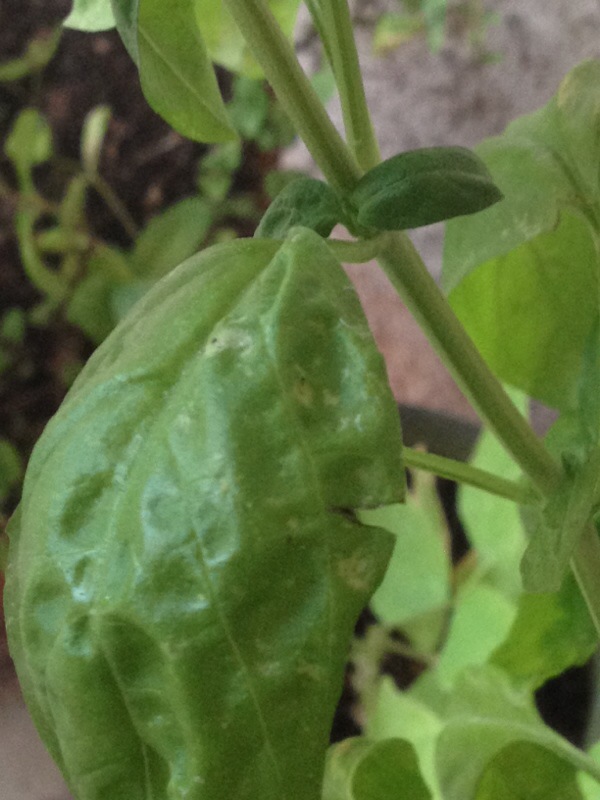
Basil is one of the most popular summer plants, known for its versatility in cooking and its ability to thrive in a variety of conditions. However, like any other plant, basil can be susceptible to diseases and problems that can impact its growth and productivity. In this article, we will delve into common issues affecting basil plants, provide practical solutions for their treatment, and offer expert advice on how to prevent these problems from arising in the first place.
Understanding the Basics of Basil Cultivation
Before we dive into the common problems affecting basil plants, it’s essential to understand the basics of basil cultivation. Basil is a warm-season crop that requires full sun, well-draining soil, and moderate watering. It can be grown indoors or outdoors, and it’s an excellent choice for container gardens, window boxes, or hanging baskets.
Basil plants require regular pruning to encourage bushy growth and prevent them from becoming leggy. Pinching off flower buds can also help to direct the plant’s energy towards leaf production, resulting in a more abundant harvest.
Common Problems Affecting Basil Plants
While basil is an incredibly versatile and hardy crop, it can still be affected by various diseases and pests that can impact its growth and productivity. Here are some of the most common problems affecting basil plants:
- Yellow Leaves: One of the most noticeable signs of a problem with your basil plant is yellowing leaves. This can be caused by a variety of factors, including overwatering, underwatering, or nutrient deficiencies.
- Black Spots: Black spots on basil leaves can be a sign of fungal infections, such as Peronospora or Alternaria. These infections can be treated with fungicides and good hygiene practices.
- Pests: Basil plants are susceptible to various pests, including aphids, whiteflies, and spider mites. These pests can be controlled using organic pest control methods, such as neem oil or insecticidal soap.
- Root Rot: Root rot is a common problem affecting basil plants, particularly those grown in moist environments. This can be caused by overwatering, poor drainage, or fungal infections.
Treatment Solutions for Common Problems
When dealing with problems like yellow leaves, black spots, pests, or root rot, it’s essential to identify the underlying cause and treat the issue promptly. Here are some treatment solutions for common problems affecting basil plants:
- Yellow Leaves: Adjust your irrigation schedule by using rainwater or distilled water instead of tap water. Use a ferrous-based fertilizer, such as Cifo’s Concreto Rinverdente, which can help speed up leaf shedding.
- Black Spots: Improve ventilation to reduce humidity and prune infected leaves to prevent further spread. Apply a fungus-resistant fertilizer specifically designed to combat fungal infections.
- Pests: Use organic pest control methods, such as neem oil or insecticidal soap, to control pests like aphids, whiteflies, and spider mites. Inspect your plants regularly for signs of infestation and treat promptly.
- Root Rot: Improve drainage by adding perlite or sand to the potting mix. Reduce watering and avoid overwatering to prevent further damage.
Prevention is Key
Preventing problems like yellow leaves, black spots, pests, or root rot requires good hygiene practices, proper irrigation, and regular pruning. Here are some tips for preventing common problems affecting basil plants:
- Regular Pruning: Regularly prune your basil plants to encourage bushy growth and prevent them from becoming leggy.
- Good Hygiene Practices: Keep your tools clean and disinfect your work surface regularly to prevent the spread of diseases.
- Proper Irrigation: Water your basil plants regularly, but avoid overwatering. Use a moisture meter to check the soil moisture levels.
- Regular Inspection: Regularly inspect your basil plants for signs of infestation or disease, and treat promptly.
By following these guidelines and staying informed about common problems affecting your basil plants, you’ll be well on your way to enjoying fresh, healthy leaves all season long.


