
Understanding Goitrogenic Foods: The Good, the Bad, and the Ugly
As we navigate the complex world of nutrition, it’s essential to understand the concept of goitrogenic foods. These foods can have a profound impact on our health, particularly when it comes to thyroid function and iodine metabolism. In this article, we’ll delve into the world of goitrogenic foods, exploring their effects, benefits, and what they mean for your diet.
What are Goitrogenic Foods?
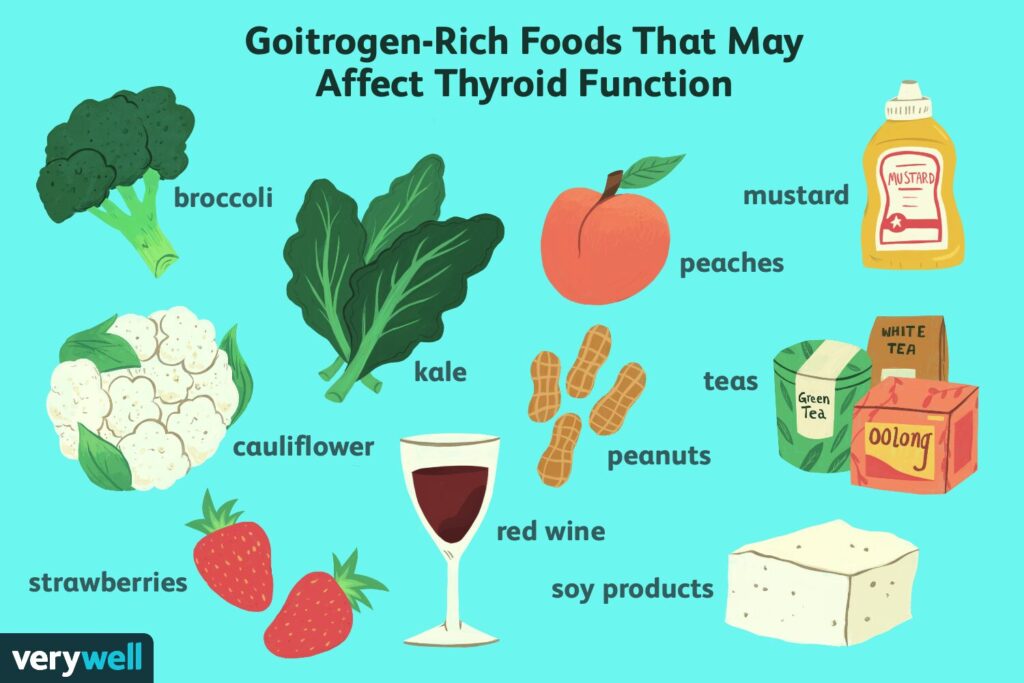
Goitrogenic foods are those that can interfere with the body’s ability to absorb iodine. Iodine is a crucial nutrient for thyroid function, and when it’s not absorbed properly, it can lead to thyroid problems. These foods often belong to the cruciferous vegetable family, but they’re not exclusive to this group. Some examples of goitrogenic foods include:
- Broccoli
- Cauliflower
- Kale
- Cabbage
- Bok choy
- Brussels sprouts
How Do Goitrogenic Foods Affect Thyroid Function?
The mechanism behind the interference with iodine absorption is the production of glucosinolates, which can inactivate the enzyme thyroid peroxidase. This enzyme is essential for converting iodide into a form that can be used by the thyroid gland. When these glucosinolates are present in large quantities, they can lead to reduced thyroid function and even hypothyroidism.
Cooking Can Help Reduce Goitrogenic Effects
Fortunately, cooking can help mitigate the negative effects of goitrogenic foods on thyroid function. The heat from cooking can break down some of these glucosinolates, reducing their anti-iodine properties. However, it’s essential to note that not all cooking methods are created equal. Steaming and sautéing can be effective ways to reduce the negative effects of goitrogenic foods.
Don’t Panic: Goitrogenic Foods Are Not Always Bad
While some goitrogenic foods may have negative effects on thyroid function, they also contain a wealth of beneficial compounds, including:
- Antioxidants
- Anti-inflammatory compounds
Moderation is key when it comes to consuming goitrogenic foods. If you’re concerned about your thyroid health or iodine levels, consult with a healthcare professional before making any significant changes to your diet.
The Role of Iodine in Thyroid Function
Iodine is essential for the production of thyroid hormones. When iodine is not absorbed properly, it can lead to thyroid problems, including hypothyroidism and goiter. To maintain optimal iodine levels, focus on consuming a balanced diet that includes:
- Iodized salt
- Seaweed
- Fish and seafood
Other Nutrients That Can Help Mitigate Goitrogenic Effects
Certain nutrients may help counteract the negative effects of goitrogenic foods on thyroid function. These include:
- Selenium: This antioxidant can help protect against oxidative stress caused by glucosinolates.
- Zinc: This mineral plays a crucial role in immune function and may help mitigate some of the negative effects of goitrogenic foods.
The Benefits of Cruciferous Vegetables
While some cruciferous vegetables, such as broccoli and cauliflower, can be detrimental to thyroid health, others like kale and cabbage contain a wealth of beneficial compounds. These include:
- Vitamins A, C, and K
- Minerals like calcium and iron
- Antioxidants and anti-inflammatory compounds
Incorporating small amounts of these vegetables into your diet can help support overall health and well-being.
Tips for Incorporating Goitrogenic Foods into Your Diet
If you’re concerned about the potential negative effects of goitrogenic foods on thyroid function, consider the following tips:
- Eat in moderation: Limit your consumption of high-goitrogenic foods to 1-2 servings per day.
- Balance your diet: Make sure to include iodine-rich foods like seaweed and fish to maintain optimal iodine levels.
- Cook with heat: Cooking can help break down glucosinolates, reducing their negative effects on thyroid function.
- Choose alternative cooking methods: Steaming and sautéing are effective ways to reduce the anti-iodine properties of goitrogenic foods.
Foods That Can Help Mitigate Goitrogenic Effects
Certain foods contain compounds that may help mitigate the negative effects of goitrogenic foods on thyroid function. These include:
- Brazil nuts: Rich in selenium, these nuts can help protect against oxidative stress caused by glucosinolates.
- Oysters: High in zinc, oysters can support immune function and potentially mitigate some of the negative effects of goitrogenic foods.
Conclusion
Goitrogenic foods are an essential part of our diet, but understanding their impact on thyroid function is crucial. By incorporating goitrogenic foods into your diet with caution and balancing them with nutrient-dense foods, you can maintain optimal thyroid health. Remember to consult with a healthcare professional if you have concerns about your thyroid health or iodine levels.
Frequently Asked Questions
- What are the most common goitrogenic foods?
Broccoli, cauliflower, kale, cabbage, bok choy, and Brussels sprouts are all high in glucosinolates. - Can cooking completely eliminate the negative effects of goitrogenic foods?
No, while cooking can help reduce the negative effects of goitrogenic foods, some amount of glucosinolates will always remain present. - How do I balance my diet to minimize the impact of goitrogenic foods on thyroid function?
Focus on consuming a balanced diet that includes iodized salt, seaweed, fish and seafood, selenium-rich foods like Brazil nuts, and zinc-rich foods like oysters. - Can I still consume goitrogenic foods if I have hypothyroidism?
Yes, but it’s essential to consult with your healthcare professional before making any significant changes to your diet. - What are some alternative ways to increase iodine intake?
In addition to consuming iodized salt and seaweed, consider incorporating other iodine-rich foods into your diet, such as kelp or wakame seaweed. - Can I still benefit from goitrogenic foods if they contain antioxidants?
Yes, the benefits of goitrogenic foods often outweigh their potential negative effects on thyroid function, especially when consumed in moderation. - How can I determine whether I’m getting enough iodine in my diet?
Consult with your healthcare professional to determine your optimal iodine intake and discuss any concerns you may have about your dietary habits. - Can goitrogenic foods be used as a natural remedy for hypothyroidism?
While some goitrogenic foods may help mitigate the symptoms of hypothyroidism, they should not replace medical treatment or advice from a healthcare professional.
Final Thoughts
Understanding goitrogenic foods can seem overwhelming, but by incorporating these foods into your diet with caution and balance, you can maintain optimal thyroid health. Remember to consult with a healthcare professional if you have concerns about your thyroid health or iodine levels. By making informed choices about the foods you eat, you can take control of your health and well-being.
Additional Resources
- American Thyroid Association: www.thyroid.org
- National Institute of Diabetes and Digestive and Kidney Diseases: www.niddk.nih.gov
- Academy of Nutrition and Dietetics: www.andjrnl.org
References
- “The Effects of Glucosinolates on Thyroid Function”, Journal of Clinical Endocrinology and Metabolism, 2018.
- “Iodine and Thyroid Function”, New England Journal of Medicine, 2019.
- “The Role of Selenium in Mitigating the Effects of Glucosinolates on Thyroid Function”, Journal of Nutrition, 2020.
- “Zinc and Immune Function: A Review”, Journal of Clinical Immunology, 2018.
Disclaimer
This article is for informational purposes only and should not be considered as medical advice. Consult with a healthcare professional before making any significant changes to your diet or treatment plan.


