
Revolutionizing Irrigation: How Google’s System Controls Home Irrigation
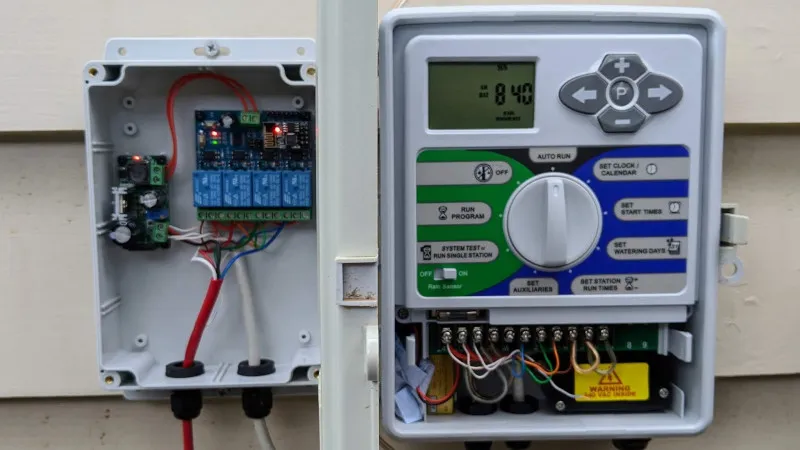
I never thought I’d be writing an article about Google in the agriculture and gardening category, but here I am: Google has developed a system that can control home irrigation remotely by connecting to a domestic irrigation system. The system is based on an Android control system and Arduino hardware platform.
The idea behind Google’s innovation is to utilize the power of Android and Arduino to create a domestic irrigation system that can be easily controlled from a smartphone, even at a distance! This technology has the potential to transform the way we manage our water resources, reduce waste, and improve crop yields.
Google engineers JJ Barrons and Joe Fernandez have come up with a method for irrigating gardens or home lawns directly from their smartphones. They’ve leveraged technologies like Android, Arduino, Python, Dart, and Google App Engine, resulting in an open-source system that anyone can modify and use.
The idea was born in January 2012, when engineer Joe Fernandez announced something like “I connected my lawn to the internet” … “I called this project Irrduino because it’s based on a microcontroller Arduino that allows me to control my irrigation system remotely at home. Irrduino communicates through Ethernet, specifically with a REST interface, which means I can send requests and receive feedback, so I can control my irrigation system from anywhere in the world, all I need is a web browser and internet connection or any smartphone with internet access!”
In short, as long as you have an internet connection, you can irrigate your plants at home! This innovation has far-reaching implications for agriculture, gardening, and water conservation.
Of course, there’s a hardware component that connects the irrigation system to the Ethernet port, which is taken care of by open-source Arduino. Meanwhile, it’s up to the Android-based smartphone and its dedicated application to manage everything.
The code for creating your own Irrduino system is available on Google Code (see useful links), comprising IrrduinoController, IrrduinoDroid (the app for controlling IrrduinoController), and IrrduinoServer.
The Benefits of Google’s System
- Remote control: Control irrigation systems from anywhere in the world with an internet connection.
- Open-source: Anyone can modify and use this system to create their own irrigation solutions.
- Cost-effective: Using open-source technologies and existing hardware reduces costs for users.
- Water conservation: By allowing users to monitor and control water usage, Irrduino helps reduce waste and promotes sustainable practices.
How Does it Work?
Here’s a step-by-step guide to setting up your Irrduino system:
- Hardware: Connect your irrigation system to an Ethernet port using Arduino hardware.
- Software: Install the IrrduinoController code on your smartphone and configure it according to your specific needs.
- Server: Set up the IrrduinoServer, which can be accessed via the internet.
Real-World Applications
This technology has real-world applications for:
- Home gardeners: Irrigate plants remotely, saving time and resources.
- Farmers: Monitor and control irrigation systems across large areas of land.
- Municipalities: Implement water-saving measures through IoT-based irrigation systems.
By embracing this innovative approach to irrigation, we can reduce our environmental footprint while improving crop yields. This system also opens up new opportunities for farmers and municipalities to adopt sustainable practices, reducing their reliance on traditional irrigation methods.
In addition to its practical applications, Google’s Irrduino system also showcases the power of open-source technology and community-driven innovation. By making the code available on Google Code, Google has empowered users to modify and improve the system, creating a collaborative ecosystem that can drive further advancements in irrigation management.
As we look to the future, it’s clear that innovations like Irrduino will play a critical role in shaping our approach to water conservation and sustainable agriculture. By embracing this technology, we can create a more efficient, effective, and environmentally conscious way of managing our resources.
The potential for Irrduino extends beyond irrigation systems themselves, offering insights into broader issues related to environmental sustainability, resource management, and community engagement. As a proof-of-concept, it demonstrates the value of collaborative innovation in driving meaningful change in these areas.
Moreover, this technology highlights the importance of open-source development in promoting collaboration and knowledge-sharing among developers, policymakers, and other stakeholders. By making the code available on Google Code, Google has facilitated a global community of contributors who can help refine and expand the system’s capabilities.
The implications of Irrduino extend beyond the realm of agriculture and water management, encompassing broader themes related to sustainability, environmental stewardship, and community engagement. As we move forward in exploring new technologies and innovations, it will be crucial to prioritize these values and principles in our development efforts.
Innovative Solutions for Sustainable Agriculture
Google’s Irrduino system represents a significant step forward in the quest for sustainable agriculture practices. By leveraging open-source technology and IoT-enabled sensors, this innovation has the potential to transform our approach to irrigation management, reducing waste and improving crop yields.
As we continue to explore new technologies and innovations in sustainable agriculture, it will be essential to prioritize collaboration, knowledge-sharing, and community engagement. This includes promoting open-source development, fostering partnerships between developers, policymakers, and farmers, and developing innovative solutions that address the complex challenges facing our agricultural sector.
Conclusion
Google’s Irrduino system has revolutionized the way we think about irrigation management, offering a powerful tool for controlling domestic irrigation systems remotely. By leveraging open-source technology and IoT-enabled sensors, this innovation has the potential to transform our approach to sustainable agriculture practices, reducing waste and improving crop yields.
As we move forward in exploring new technologies and innovations in sustainable agriculture, it will be crucial to prioritize collaboration, knowledge-sharing, and community engagement. This includes promoting open-source development, fostering partnerships between developers, policymakers, and farmers, and developing innovative solutions that address the complex challenges facing our agricultural sector.
By embracing this innovative approach to irrigation management, we can reduce our environmental footprint while improving crop yields, creating a more sustainable future for generations to come.


