
Introduction
If you’re interested in making yogurt at home, a yogurt maker is an essential tool to have. But how do they work? In this article, we’ll explore the basics of yogurt makers and provide a step-by-step guide on how to use one.
What is a Yogurt Maker?
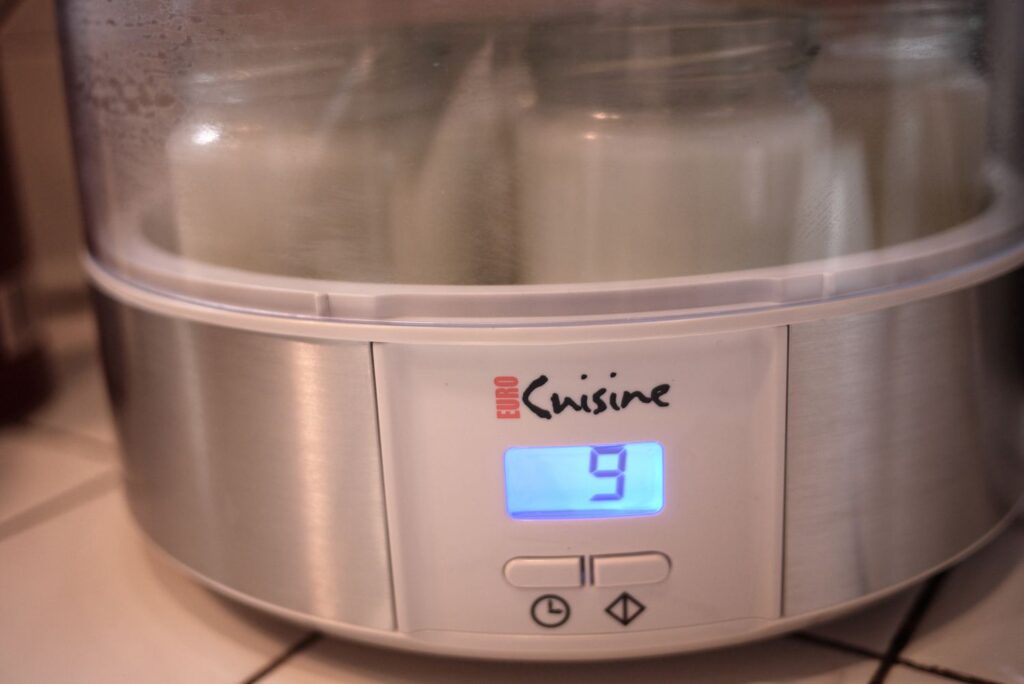
A yogurt maker is a device that maintains a consistent temperature, allowing the fermentation process to occur naturally. It’s essentially a carafe with a built-in thermostat that keeps the milk at a temperature suitable for bacterial growth.
Yogurt makers are designed to mimic the natural environment of yogurt fermentation, which occurs when bacteria in the starter culture convert lactose into lactic acid. This process thickens the yogurt and gives it its characteristic texture and flavor. With a yogurt maker, you can create delicious homemade yogurt that’s tailored to your taste preferences.
Types of Yogurt Makers
There are several types of yogurt makers available on the market, including:
- Single-container yogurt makers
- Multi-container yogurt makers
- Carafe-style yogurt makers
The type of yogurt maker you choose will depend on your needs and preferences. If you plan to make large batches of yogurt, a carafe-style yogurt maker may be the best option.
Single-container yogurt makers are compact and easy to use, making them perfect for small batches or solo yogurt enthusiasts. Multi-container yogurt makers can accommodate larger batches of milk and allow you to prepare multiple flavors at once. Carafe-style yogurt makers, on the other hand, offer a more traditional yogurt-making experience, allowing you to watch your yogurt ferment and set.
How Do Yogurt Makers Work?
A yogurt maker works by maintaining a consistent temperature between 40°C and 42°C, which is ideal for bacterial growth. The device uses a thermostat to regulate the temperature, ensuring that it stays within this range. This allows the bacteria in the starter culture to ferment the lactose in the milk, producing lactic acid and thickening the yogurt.
The process of fermentation occurs when the bacteria in the starter culture feed on the lactose in the milk, producing carbon dioxide gas as a byproduct. This process creates bubbles in the milk, which eventually coalesce into a smooth, creamy texture.
To achieve optimal fermentation, yogurt makers are designed to maintain a consistent temperature throughout the incubation period. This allows for even bacterial growth and minimizes the risk of contamination or spoilage.
Using Your Yogurt Maker
Making yogurt with a maker is relatively simple. Here’s a step-by-step guide:
- Prepare your ingredients: Choose a container that can hold 1 liter of milk and add a starter culture or yogurt to it.
- Heat the milk: Heat the milk to around 37°C, then let it cool to around 40°C. This is an important step, as excessive heat can kill off the bacteria in the starter culture.
- Add starter culture or bacteria: Add the starter culture or bacteria to the cooled milk and stir gently. Be careful not to introduce too much oxygen into the mixture, as this can inhibit bacterial growth.
- Pour into the maker: Pour the milk mixture into the yogurt maker’s container. Make sure it’s filled to the recommended level to ensure even fermentation.
- Incubate: Set the thermostat on your maker to maintain a temperature of around 40°C. Depending on the type of maker, this may take anywhere from 6-24 hours.
- Chill and serve: Once the incubation period is complete, remove the yogurt from the maker and chill it in the refrigerator.
Tips for Achieving the Perfect Yogurt
To achieve a thicker, creamier yogurt, try these tips:
- Use a combination of milk and cream: Adding more fat to your milk can enhance the texture of your yogurt.
- Add a sweetener like honey or maple syrup: Balancing out the flavor with a sweetener can help create a smoother, more palatable taste.
- Experiment with different types of bacteria or starter cultures: Different strains of bacteria can produce varying levels of acidity and thickness in your yogurt.
Making Yogurt at Home with Flavor
If you want to add some extra flavor to your homemade yogurt, try these ideas:
- Infuse it with fruit puree or jam: Adding a fruity twist to your yogurt can be as simple as mixing in some jam or honey.
- Add a drizzle of honey or maple syrup: A sweet and indulgent treat that’s perfect for breakfast or snacking.
- Mix in some cocoa powder or coffee for a mocha-flavored yogurt: Add a spoonful of cocoa powder or instant coffee to create a decadent and delicious treat.
- Try adding some vanilla extract or other spices for added depth: Vanilla, cinnamon, or nutmeg can add an extra layer of flavor to your yogurt.
Common Issues with Yogurt Makers
While yogurt makers are designed to be user-friendly, there are a few common issues that may arise:
- Temperature fluctuations: If the temperature in your kitchen is fluctuating, it can affect the fermentation process. Try investing in a yogurt maker with an automatic thermostat or using a thermometer to monitor the temperature.
- Contamination: Make sure to sanitize all surfaces and utensils before handling the milk mixture.
- Fermentation time: Adjusting the incubation period may be necessary depending on the type of maker and your personal preference for texture.
Conclusion
Making yogurt at home with a maker is a simple and rewarding process. With the right ingredients and equipment, you can create delicious, homemade yogurt that’s tailored to your taste preferences.
By understanding how yogurt makers work and following these tips and guidelines, you’ll be well on your way to creating your own perfect cups of homemade yogurt. Whether you prefer a smooth and creamy texture or a tangy and sour flavor, there are countless possibilities with yogurt making. So go ahead and give it a try – you won’t be disappointed!
FAQs
- How long does it take to make yogurt?
The incubation period will depend on the type of maker and the desired consistency. Generally, it takes anywhere from 6-24 hours. - What is the ideal temperature for yogurt fermentation?
The ideal temperature for yogurt fermentation is between 40°C and 42°C. - Can I make Greek yogurt at home?
Yes, you can make Greek yogurt at home using a maker. Simply incubate the mixture for an additional 24 hours to allow it to thicken further. - How do I store my homemade yogurt?
Once cooled, store your homemade yogurt in the refrigerator and consume within 5-7 days. - Can I use a thermometer to monitor temperature?
Yes, you can use a thermometer to monitor the temperature of your maker. - What is the best type of milk to use for making yogurt?
You can use any type of milk that’s suitable for fermentation, such as cow’s milk, goat’s milk, or sheep’s milk. - Can I make vegan yogurt at home?
Yes, you can make vegan yogurt at home using a maker and plant-based milks like soy milk or almond milk. - How do I clean my yogurt maker?
After each use, wash the container with soap and water, then rinse thoroughly. Dry all parts with a soft cloth.
By following these guidelines and tips, you’ll be able to create delicious homemade yogurt that’s tailored to your taste preferences. So go ahead and give it a try – you won’t be disappointed!


