
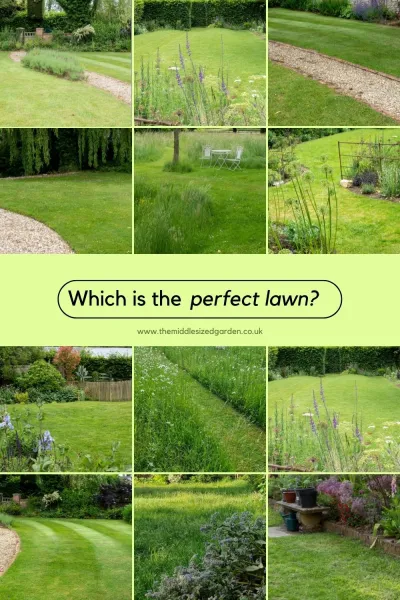
Have you ever dreamed of having a lush, green lawn that rivals the fields of golf? With the right guidance, you can achieve this perfect landscape. While every lawn requires maintenance, we’ll explore practical tips to help you create a stunning outdoor space.
Before diving into the nitty-gritty, let’s set the stage with Tom Brooks, superintendant at the renowned Carson Valley Golf Course in Gardnerville. As we delve into these expert suggestions, keep in mind that gardening is all about balance and harmony – just like a well-manicured lawn.
1. Frequent Mowing: The Key to a Healthy Lawn
Mowing your lawn regularly may seem obvious, but it’s crucial for its health. You’ll want to invest in a high-quality mower with sharp blades to ensure a clean cut. Remember, never mow your lawn when it’s wet – the risks of damage and disease are too great.
Research suggests that the ideal mowing frequency depends on factors like grass type, climate, and soil quality. For example:
- Cool-season grasses (like Kentucky bluegrass and perennial ryegrass) benefit from more frequent mowing (every 7-10 days).
- Warm-season grasses (such as Bermudagrass and zoysiagrass) require less frequent mowing (about every 2-3 weeks).
2. Mulching: The Art of Finely Cutting Stems
To create a lush, green lawn without wasting resources, consider using a mulching mower. This technique finely chops stems into small pieces that break down quickly into nutrient-rich humus. This natural fertilizer can be applied directly to your lawn, giving it an extra boost.
Mulching has numerous benefits:
- It reduces weed growth and prevents competition for nutrients.
- Mulched grass clippings improve soil structure and fertility.
- Using a mulching mower can help reduce greenhouse gas emissions by breaking down organic matter more efficiently.
3. Proper Mowing Heights: A Balance of Beauty and Health
When mowing your lawn, avoid cutting the grass too short. Not only does this stress the plants, making them more susceptible to disease and pests – but it also requires more water. To maintain a healthy balance, keep the blades at an optimal height for your specific grass type.
The recommended mowing heights vary depending on factors such as climate, soil quality, and local regulations:
- For most lawns (Lolium or Festuca varieties), aim for 3.5 cm in height.
- For finer types of grass (Agrostis and Poa), target a maximum height of 3 cm above ground level.
4. Understanding Lawn Care: A Holistic Approach
In addition to mowing, consider other essential aspects of lawn care:
* Water your lawn deeply but infrequently to encourage deep root growth.
* Maintain optimal soil pH levels for your specific grass type.
* Monitor your lawn regularly for signs of pests and diseases.
By adopting these holistic practices, you’ll be well on your way to creating a vibrant, thriving lawn that brings joy to your outdoor space.
5. Choosing the Right Mower: Your Investment in Lawn Care
Selecting the right mower can seem daunting, but it’s an investment worth making for long-term results. Consider factors like blade quality, engine power, and terrain adaptability when choosing your perfect match.
- For smaller lawns or delicate grass types, consider a walk-behind mower.
- For larger areas or more rugged terrain, opt for a ride-on mower with advanced features.
6. Efficient Maintenance: Tips from Experts
To streamline your lawn care routine:
* Divide your lawn into sections to make maintenance easier and less time-consuming.
* Create a schedule to ensure consistent mowing and watering habits.
* Don't forget to clean up debris, leaves, or other obstacles that might hinder growth.
By implementing these expert tips and tricks, you’ll be well on your way to creating a stunning lawn that brings pride to your home.
7. Balancing Perfection with Nature
As we strive for the perfect lawn, remember to strike a balance between human desire and natural needs. A lush green lawn is beautiful – but it’s also an ecosystem in its own right. Allow the grasses to grow naturally, without excessive intervention.
By embracing this harmony approach, you’ll cultivate a healthy, thriving lawn that resonates with nature as much as it delights your senses.
8. The Role of Soil pH and Nutrients
Soil pH plays a crucial role in maintaining optimal health for your specific grass type. Ensure the right nutrient levels are present to promote growth:
* Test your soil regularly to determine its pH level.
* Apply balanced fertilizers according to the manufacturer's instructions.
A well-balanced fertilizer program can include essential nutrients like nitrogen, phosphorus, and potassium (NPK). N-P-K ratios vary depending on grass type and climate, but here are some general guidelines:
- Cool-season grasses: 20-10-10 or 30-15-10.
- Warm-season grasses: 20-5-10.
9. Pest Control: Safeguarding Your Lawn
As pests can wreak havoc on even the most perfectly manicured lawn, prioritize protection strategies:
* Regularly inspect your lawn for signs of infestation or disease.
* Employ integrated pest management techniques (IPM) that target specific problems rather than resorting to chemicals.
10. Water Conservation: Saving Resources for a Greener Future
By adopting water-saving practices:
* Limit irrigation during peak sun hours to reduce evaporation and runoff.
* Implement efficient watering systems, such as drip irrigation or rainwater harvesting.
Your lawn will thrive with these eco-friendly strategies!
11. Lawncare Tools: Investing in Quality Equipment
To make your lawn care routine smoother and more efficient:
* Invest in high-quality tools that are well-maintained to extend their lifespan.
* Regularly sharpen mower blades and clean equipment to maintain performance.
By choosing the right gear, you’ll save time and ensure optimal results for your lawn.
12. Creating a Balanced Ecosystem
Your lawn is an ecosystem – not just a patch of grass. Consider adding diverse plant species to attract pollinators and create a balanced environment:
* Incorporate native flowers or shrubs that provide shelter and food.
* Create a bird-friendly habitat by planting trees or installing birdhouses.
This diversity will foster a harmonious relationship between your lawn, local wildlife, and the surrounding ecosystem.
13. Seasonal Maintenance: Staying Ahead of Challenges
To stay on top of lawn care during changing seasons:
* Adjust mowing heights, watering schedules, and fertilization according to seasonal needs.
* Monitor for pest and disease issues that may arise with warmer or colder temperatures.
By adapting your approach to the seasons, you’ll maintain a resilient, thriving lawn all year round.
14. Improving Lawn Density: A More Lush Appearance
For a lush, full appearance:
* Maintain optimal mowing heights.
* Apply even amounts of fertilizer and water throughout the growing season.
This balanced routine will result in a more vibrant, denser lawn that adds visual appeal to your home.
15. Celebrating Your Lawn’s Unique Beauty
In conclusion, creating a perfect lawn requires patience, dedication, and an understanding of its intricate balance. Don’t be afraid to experiment with different techniques or ask for advice from local experts. Remember – every lawn is unique and worthy of celebration!
By following these expert tips and tricks, you’ll not only achieve a stunning lawn but also develop a deeper appreciation for the natural world around you.
Bonus Tip: Lawn Aeration
Lawn aeration can be an effective way to promote healthy growth, reduce soil compaction, and improve drainage:
- Rent or hire a professional aerator for large lawns.
- Use manual tools like forks or spades for smaller areas.
- Aerating frequency depends on climate and grass type – aim for once every 1-2 years.
Bonus Tip: Overseeding
Overseeding can help fill in gaps, thicken your lawn, and improve appearance:
- Choose a matching or complementary grass species for the existing lawn.
- Apply overseed evenly across the lawn during optimal growth periods (usually spring and fall).
- Maintain proper mowing heights to prevent competition from weed growth.
By incorporating these expert tips into your lawn care routine, you’ll be well on your way to creating a lush, thriving, and uniquely beautiful lawn that brings joy to your outdoor space.


