
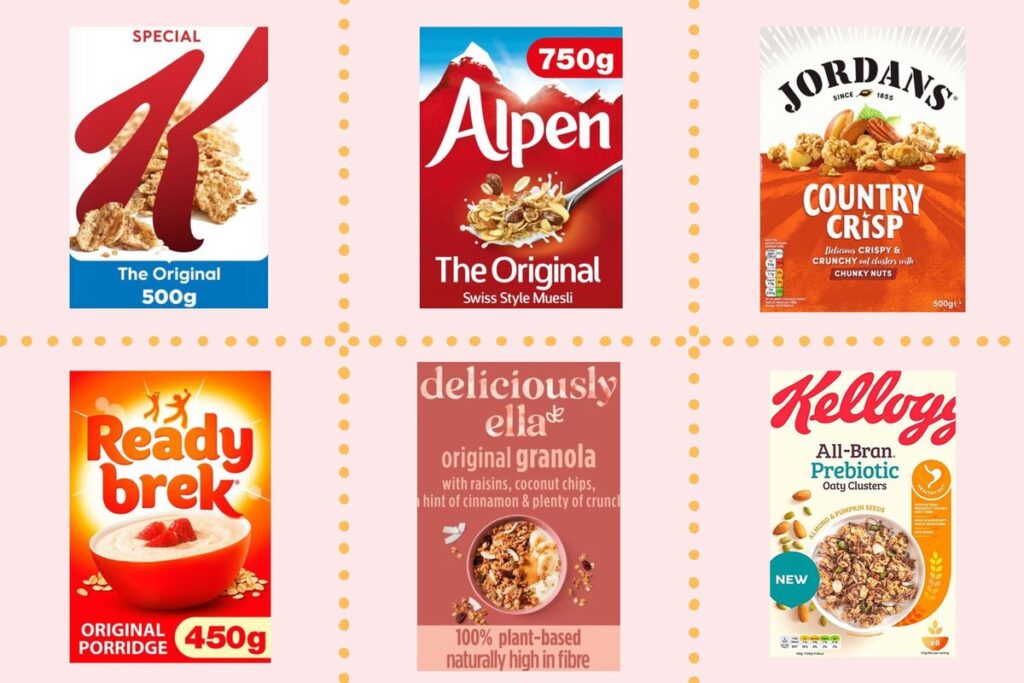
Are you tired of feeling overwhelmed by the numerous options available in the grain market? With so many different types of grains on the shelves, it’s easy to get confused about which ones are truly healthy and nutritious. In this article, we’ll delve into the world of grains, separating fact from fiction and providing you with a comprehensive guide to help you make informed choices.
What are Grains?
Grains are plant-based foods that have been a staple in human diets for centuries. From bread to pasta, rice to quinoa, there’s no shortage of options available. But what exactly constitutes a grain?
In botany, a grain is defined as the seed of a cereal crop, which includes oats, wheat, barley, and rye. However, not all grains are created equal, and some may be more nutritious than others.
The Five Grains
You’ve likely heard of the five grains that are commonly touted as healthy options: oats, brown rice, quinoa, barley, and whole wheat. But what makes them so special? Let’s take a closer look:
- Oats: A rich source of fiber and antioxidants, oats have been shown to help lower cholesterol levels and improve digestive health.
- Brown Rice: This whole grain is packed with fiber, vitamins, and minerals, making it an excellent choice for those looking to reduce their risk of chronic diseases like heart disease and diabetes.
- Quinoa: Often referred to as a superfood, quinoa is a complete protein that’s rich in iron, magnesium, and potassium. It’s also gluten-free, making it an excellent option for those with dietary restrictions.
- Barley: A good source of fiber and vitamins, barley has been shown to have potential health benefits, including reducing cholesterol levels and improving blood sugar control.
- Whole Wheat: This whole grain is rich in fiber, vitamins, and minerals, making it a great choice for those looking to improve their overall health.
The Not-So-Holy Grails
While the five grains mentioned above are certainly healthy options, there are some that should be avoided. These include:
- Corn: Often used as a filler ingredient in processed foods, corn is high in sugar and low in nutrients.
- Rye Flour: A poor source of fiber and vitamins, rye flour can cause digestive issues in some individuals.
- Triticale: A hybrid grain that’s often genetically modified, triticale has been shown to have potential health risks.
The Quinoa Conundrum
Quinoa is often touted as a superfood, but is it really? While quinoa is indeed a complete protein and a good source of iron, magnesium, and potassium, there are some concerns about its cultivation practices. Many commercial quinoa farms rely on large amounts of water and pesticides, which can have negative environmental impacts.
Gluten-Free Grains
For those with gluten intolerance or sensitivity, there are plenty of grain options available that are naturally gluten-free. These include:
- Rice: A good source of carbohydrates and fiber, rice is a great option for those looking to reduce their risk of chronic diseases.
- Quinoa: As mentioned earlier, quinoa is a complete protein and a good source of iron, magnesium, and potassium. It’s also gluten-free!
- Corn: While not as nutritious as some other grains, corn can be used to make a variety of healthy products, such as tortillas and tamales.
The Risks of Processed Grains
While whole grains are certainly healthier than their processed counterparts, there’s still room for improvement. Many processed grain products are high in added sugars, salt, and unhealthy fats, making them less-than-ideal choices for those looking to improve their overall health.
In conclusion, the world of grains can be overwhelming, but by separating fact from fiction and understanding what makes each grain unique, you can make informed choices about which ones to include in your diet. Whether you’re a fan of quinoa, brown rice, or oats, there’s no shortage of healthy options available. So go ahead, get creative with your grains, and reap the rewards of a balanced and nutritious diet!
Frequently Asked Questions
- What is the difference between quinoa and amaranth?
Quinoa and amaranth are both pseudo-cereals, meaning they’re not technically grains but rather seeds. However, they share many similarities with grains and can be used as substitutes in recipes. - Can I use gluten-free grains to make bread?
While it’s possible to use gluten-free grains to make bread, the results may vary depending on the type of grain used and the recipe employed. Some gluten-free flours can produce denser or drier bread, so experimentation may be necessary. - What are some common allergens in grains?
Common allergens in grains include wheat, barley, rye, oats, corn, and rice. While these grains are generally safe for most people, individuals with gluten intolerance or sensitivity should take extra precautions when consuming them. - Can I eat grains if I have celiac disease?
Unfortunately, individuals with celiac disease must avoid all grains containing gluten, as the consumption of gluten can cause a range of symptoms. However, there are many delicious and nutritious grain-free options available for those who need to follow a strict diet. - How do I choose healthy grains?
Choosing healthy grains is easy! Look for whole grains like quinoa, brown rice, and oats, which are rich in fiber, vitamins, and minerals. Avoid processed grains with added sugars, salt, and unhealthy fats, and opt for organic or locally sourced options when possible.
Conclusion
In conclusion, the world of grains can be overwhelming, but by separating fact from fiction and understanding what makes each grain unique, you can make informed choices about which ones to include in your diet. Whether you’re a fan of quinoa, brown rice, or oats, there’s no shortage of healthy options available. So go ahead, get creative with your grains, and reap the rewards of a balanced and nutritious diet!
Recommendations
- Incorporate whole grains into your meals: Try to include at least one serving of whole grain per day in your diet.
- Read labels carefully: Be aware of added sugars, salt, and unhealthy fats when choosing packaged foods.
- Choose organic or locally sourced options: Opt for produce that’s grown without pesticides or artificial fertilizers whenever possible.
Glossary
- Amaranth: A pseudo-cereal seed that’s high in protein and fiber. It can be used as a substitute for grains in recipes.
- Barley: A whole grain that’s rich in fiber and vitamins. It has been shown to have potential health benefits, including reducing cholesterol levels and improving blood sugar control.
- Bread: A food made from flour, water, yeast, and other ingredients. Grains can be used to make bread, but it’s often processed and high in added sugars, salt, and unhealthy fats.
- Cholesterol: A type of fat found in the bloodstream that’s associated with heart disease. Dietary changes can help lower cholesterol levels.
- Celiac disease: An autoimmune disorder that causes inflammation in the small intestine when gluten is consumed. Individuals with celiac disease must avoid all grains containing gluten.
- Fiber: A type of carbohydrate that helps regulate bowel movements and lower cholesterol levels. Whole grains are rich in fiber.
- Gluten-free: A term used to describe foods that don’t contain gluten, a protein found in wheat, barley, rye, oats, corn, and rice. Individuals with celiac disease or gluten intolerance often follow a gluten-free diet.
- Quinoa: A pseudo-cereal seed that’s high in protein and fiber. It’s also gluten-free and can be used as a substitute for grains in recipes.
- Rice: A whole grain that’s rich in carbohydrates and fiber. It’s often used in processed foods, but can be a healthy choice when consumed in moderation.
Additional Resources
- Academy of Nutrition and Dietetics: A professional organization of registered dietitians who provide evidence-based information on nutrition and health.
- American Heart Association: A nonprofit organization that promotes heart health through research, education, and advocacy.
- Centers for Disease Control and Prevention: A federal agency responsible for preventing and controlling diseases, including chronic conditions like heart disease and diabetes.
By incorporating whole grains into your diet and avoiding processed grains with added sugars, salt, and unhealthy fats, you can make informed choices about which grains to include in your meals. Whether you’re a fan of quinoa, brown rice, or oats, there’s no shortage of healthy options available!


