
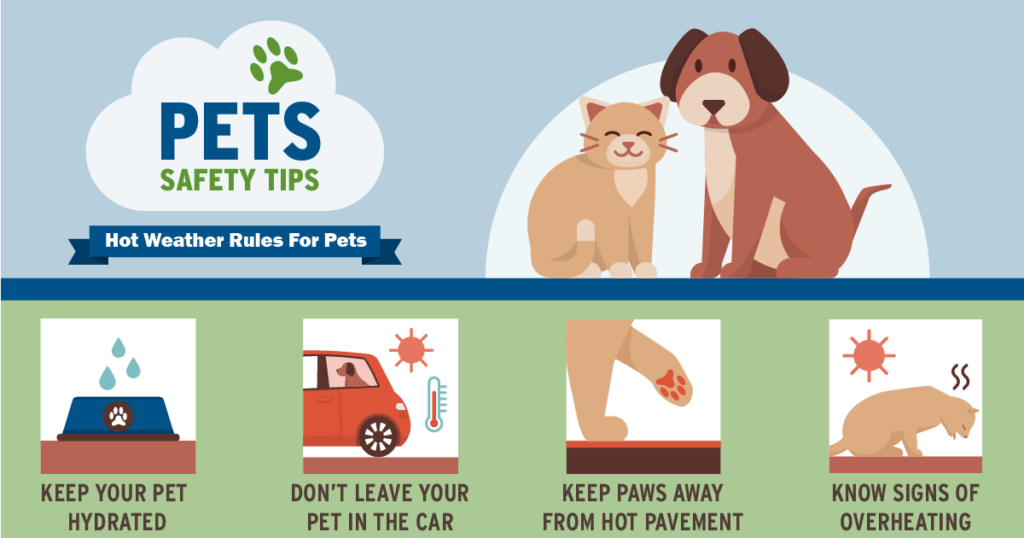
As we embark on our outdoor adventures during the scorching summer months, it’s essential to consider the well-being of our furry and feathered friends. Protecting animals from heat is crucial to prevent unnecessary suffering and potential fatalities. In this article, we’ll explore simple yet effective strategies to keep your pets cool and comfortable.
Why Protect Animals from Heat?
Just like humans, animals can’t regulate their body temperature as efficiently as we do. Prolonged exposure to high temperatures can lead to heat stress, dehydration, and even death. It’s our responsibility as pet owners to take proactive measures to safeguard their health and safety.
Heat stress in animals is often referred to as “heat stroke” or “heat exhaustion.” These conditions are similar to the human equivalent of heat-related illnesses, such as heat exhaustion or heat stroke. Dogs, cats, rabbits, guinea pigs, and other small mammals are more susceptible to heat stress due to their unique physiological characteristics.
Who Needs Protection from Heat?
While dogs and cats are more prone to heat-related issues, other animals like rabbits, guinea pigs, and fish also require protection from the heat. Even indoor pets can suffer from heat stress if their environment is not properly ventilated or cooled.
Some animals, such as horses and livestock, may be more at risk due to their thick coats and limited ability to pant. Other animals, like reptiles and amphibians, have a more specialized body temperature regulation system that makes them vulnerable to extreme temperatures.
Protecting Canines from Heat
Cats, too, can benefit from our attention when it comes to heat protection. Unlike dogs, cats don’t sweat like we do, so they rely on panting to cool down. To help your feline friend stay comfortable:
- Provide a shaded area for them to rest
- Ensure access to fresh water at all times
- Feed a light, easy-to-digest diet to prevent overheating
- Offer a spray bottle filled with water to help lower their body temperature
Protecting Felines from Heat
Just like dogs, cats need protection from the heat. Here are some tips:
- Keep them indoors during peak sun hours (usually between 11 am and 3 pm)
- Provide plenty of fresh water to stay hydrated
- Feed a balanced diet that includes nutrient-rich food
- Consider using a humidifier or misting system to maintain a comfortable humidity level
Protecting Piscines from Heat
Even when they’re indoors, fish can still be affected by heat. Here are some tips for keeping your aquatic friends cool:
- Keep their tank away from direct sunlight and windows
- Use a thermometer to monitor the water temperature
- Avoid overfeeding or providing too many decorations
- Perform regular water changes to maintain optimal water quality
Protecting Small Mammals from Heat
Rabbits, guinea pigs, and other small mammals can also be affected by heat. Here are some tips:
- Provide a shaded area for them to rest in
- Ensure access to fresh water at all times
- Feed a balanced diet that includes nutrient-rich food
- Consider using a heating mat or pad to maintain a comfortable temperature
Protecting Small Mammals from Heat: Additional Tips
Here are some additional tips for protecting small mammals from heat:
- Monitor their behavior and watch for signs of distress, such as lethargy or loss of appetite.
- Provide plenty of hiding places and toys to keep them occupied and distracted.
Conclusion
Protecting animals from heat is a top priority during the summer months. By following these simple yet effective strategies, you can help ensure your pets stay cool, comfortable, and healthy. So, what are you waiting for? Take action today and give your furry friends the love and care they deserve!
FAQs
- Q: How often should I check my pet’s temperature?
A: It’s essential to monitor your pet’s temperature regularly, especially during hot weather. - Q: What can I do if my pet is experiencing heat stress?
A: If you suspect your pet has heat stress, contact your veterinarian immediately for guidance and support. - Q: Can I leave my pet in the car unattended?
A: No, it’s never a good idea to leave your pet unattended in the car, even with the windows rolled down.
Additional Tips for Pet Owners
Here are some additional tips to help you protect your pets from heat:
- Stay informed: Learn about heat-related illnesses in animals and how to prevent them.
- Consult a veterinarian: If you have any concerns or questions, consult a veterinarian for personalized advice.
- Provide shade: Create shaded areas for your pets to rest in during hot weather.
- Monitor water intake: Ensure that your pets always have access to fresh water and encourage them to drink more frequently.
- Avoid exercise in extreme heat: Limit or avoid exercising your pets during the hottest part of the day.
- Be prepared: Keep a first aid kit on hand and know what to do in case of an emergency.
Common Heat-Related Illnesses in Pets
Some common heat-related illnesses in pets include:
- Heat stroke: A life-threatening condition where your pet’s body temperature rises rapidly, causing damage to their organs.
- Heat exhaustion: A less severe form of heat stress that can cause dehydration and lethargy.
- Dehydration: When your pet loses too much water due to excessive sweating or vomiting.
How to Identify Heat-Related Illnesses in Pets
Identifying heat-related illnesses in pets requires attention to their behavior, appetite, and physical condition. Here are some signs to look out for:
- Lethargy or loss of appetite
- Dry, cracked lips or mouth
- Sunken eyes or a sunken skin fold between the nose and lips
- Rapid breathing or panting
- Collapse or convulsions


