
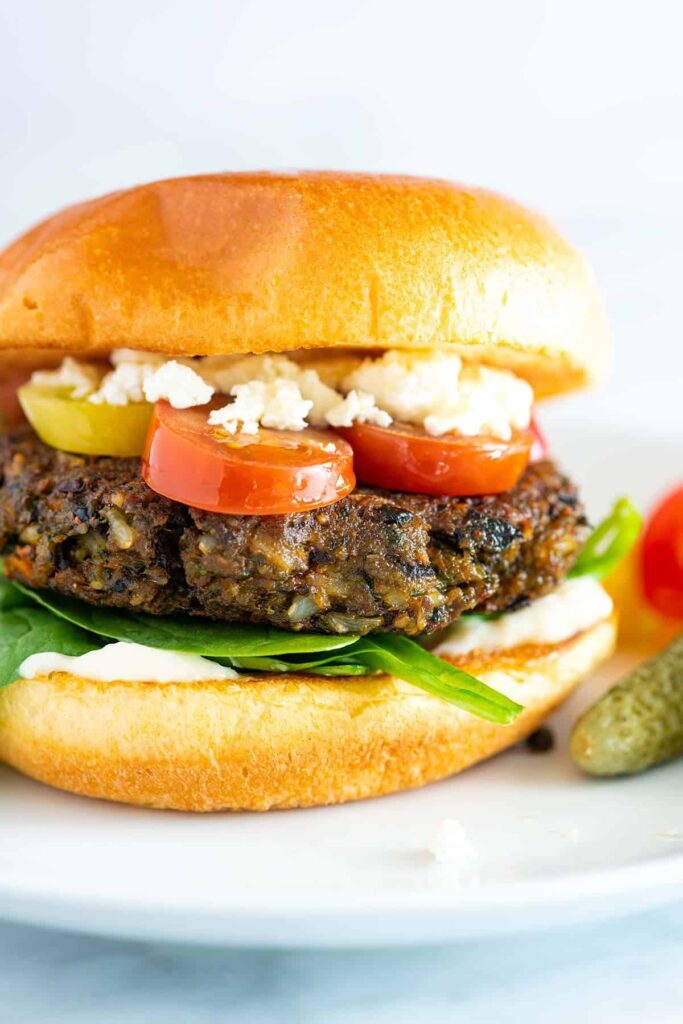
The Soy Burger Revolution: A Plant-Based Alternative to Traditional Burgers
As we continue to prioritize our health and wellbeing, it’s becoming increasingly clear that adopting a plant-based diet is one of the best ways to achieve optimal nutrition. Foods rich in water content, low in fat, and high in fiber are not only delicious but also provide numerous health benefits. In this article, we’ll explore the art of creating soy burgers, a vegan staple that’s packed with protein and fiber, making it an excellent alternative to traditional beef burgers.
The Benefits of Plant-Based Eating
So why should you make the switch to plant-based eating? For starters, foods like fruits, vegetables, legumes, and whole grains are rich in essential nutrients like vitamins, minerals, and antioxidants. These nutrients play a crucial role in maintaining optimal health, from boosting our immune systems to reducing the risk of chronic diseases.
One of the key benefits of a plant-based diet is its ability to help us lose weight and maintain healthy blood sugar levels. By focusing on whole, unprocessed foods, we can reduce our intake of saturated fats, added sugars, and refined carbohydrates – all of which are notorious for causing inflammation and weight gain.
The Soy Burger Revolution
Now that we’ve established the importance of plant-based eating, let’s talk about soy burgers specifically. These vegan staples have gained immense popularity in recent years, and for good reason. Not only are they a delicious alternative to traditional beef burgers, but they’re also packed with nutrients and can help reduce our environmental footprint.
So, what makes a great soy burger? For starters, it needs to be made from high-quality ingredients that provide maximum nutritional value. We’ll explore some of the key components of a great soy burger in this article, as well as provide you with a simple recipe to get started.
The Ingredients
Before we dive into the recipe, let’s take a look at the ingredients you’ll need for our soy burgers:
- 1 cup of soy flakes
- 2 tablespoons of water
- 2 carrots, finely chopped
- 3 mushrooms, finely chopped
- 1 onion, finely chopped
- 1 tablespoon of coriander powder
- 1/4 teaspoon of paprika
- 1/4 teaspoon of salt
- 1/8 teaspoon of black pepper
- 1 tablespoon of potato starch
- 50 grams of chickpea flour
- Oils for cooking
Preparing the Soy Flakes
To start, you’ll need to soak your soy flakes in water for at least an hour. This will help rehydrate them and make them easier to mix with other ingredients.
While the soy flakes are soaking, let’s prepare our vegetable mixture. Finely chop 2 carrots, 3 mushrooms, and 1 onion. These vegetables will add natural sweetness, texture, and flavor to your burgers.
Cooking the Soy Burger
Once you’ve prepared your vegetable mixture, it’s time to cook your soy burger. In a large pan or skillet, heat some oil over medium-high heat. Add the chopped vegetables and sauté for about 5 minutes, stirring frequently.
Next, add the soaked soy flakes to the pan and stir well. Cook for another 2-3 minutes, until the mixture is lightly browned and fragrant.
Assembling the Burger
Now that your vegetable and soy mixture are cooked, it’s time to assemble your burger. In a separate bowl, mix together the chickpea flour, potato starch, coriander powder, paprika, salt, and black pepper. This will help bind everything together.
Add the cooked soy-flake mixture to the bowl and stir until well combined. Divide the mixture into 10 equal parts and shape each part into a patty.
Baking the Burger
Preheat your oven to 180°C (350°F). Place the patties on a baking sheet lined with parchment paper and brush them lightly with oil.
Bake for about 25 minutes, flipping halfway through. Your soy burgers are now ready to serve!
Tips and Variations
Here are some tips and variations to enhance your soy burger experience:
- To freeze your soy burgers, simply place them on a baking sheet lined with parchment paper and bake in the oven at 180°C (350°F) for about 10-15 minutes. Then, let them cool completely before storing in an airtight container.
- Experiment with different spices and seasonings to give your soy burger a unique flavor profile.
- Try adding some grated vegetables like zucchini or bell peppers to increase the nutritional value of your burger.
The Science Behind Soy Burger Ingredients
Now that we’ve explored the basics of creating a delicious soy burger, let’s take a closer look at the science behind its ingredients.
- Soy flakes are made from soybeans that have been fermented with microorganisms. This process breaks down the soybeans’ natural proteins and carbohydrates into a more easily digestible form.
- Chickpea flour is high in protein and fiber, making it an excellent binder for our soy burger mixture.
- Potatoes starch helps to thicken the mixture and add texture to the final product.
The Environmental Impact of Soy Burgers
One of the most significant benefits of adopting a plant-based diet is its ability to reduce our environmental footprint. Here are some ways that soy burgers can help:
- Soybeans require less land, water, and pesticides than traditional beef burgers.
- Plant-based diets tend to generate lower greenhouse gas emissions than meat-based diets.
- By choosing locally sourced ingredients, we can reduce our reliance on transportation and support local farmers.
Soy Burger Nutrition
So how does a typical soy burger fare in terms of nutrition? Here’s a breakdown of the nutritional content of one serving:
- Calories: 350-400
- Protein: 20-25 grams
- Fat: 10-15 grams
- Saturated fat: 1-2 grams
- Carbohydrates: 40-50 grams
- Fiber: 5-7 grams
Conclusion
The soy burger revolution is here, and it’s time to join the movement! By incorporating plant-based eating into our diets, we can experience numerous health benefits, reduce our environmental footprint, and indulge in delicious, nutritious food. With this simple recipe and some creative experimentation, you’ll be well on your way to becoming a soy burger master.
Further Reading
If you’re interested in learning more about the nutritional properties of soy and other plant-based foods, check out our article “Soia: Proprietà e Valori Nutrizionali” (Soy: Properties and Nutritional Values).
Happy cooking!
Additional Resources:
- American Heart Association: “Healthy Eating Pattern”
- Academy of Nutrition and Dietetics: “Plant-Based Eating”
- Environmental Working Group: “Sustainable Food Systems”
The Soy Burger Revolution in the Real World
While soy burgers may seem like a niche topic, their impact can be felt far beyond the kitchen. Here are some real-world examples of how the soy burger revolution is changing the way we eat:
- Restaurant menus: More and more restaurants are adding plant-based options to their menus, including vegan burgers.
- Food trucks: Specialty food trucks are popping up across the country, serving everything from classic veggie burgers to gourmet soy burgers.
- Community gardens: Community gardens are sprouting up in cities and towns across America, providing fresh produce for local eaters.
The soy burger revolution is more than just a culinary trend – it’s a cultural shift. By embracing plant-based eating, we can create a healthier, more sustainable food system that benefits everyone involved.
Conclusion
In conclusion, the soy burger revolution is a game-changer for our health and wellbeing. With its rich nutritional profile, environmental benefits, and versatility in the kitchen, it’s no wonder that this vegan staple has gained such popularity in recent years.
Whether you’re a seasoned vegetarian or just looking to make some changes in your diet, we hope that this article has inspired you to give soy burgers a try. Happy cooking!


