
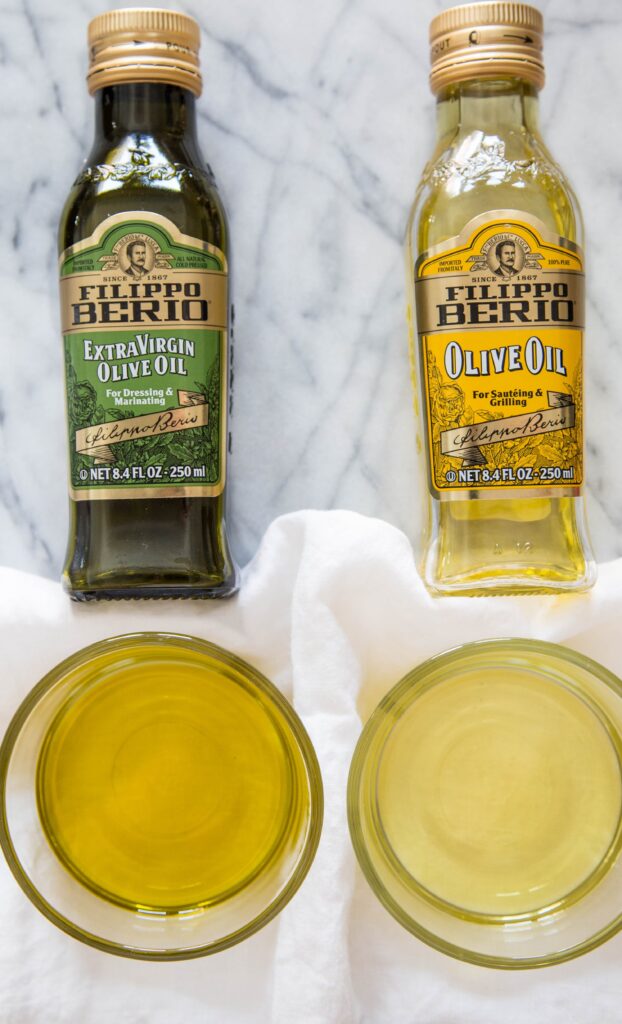
When we hear the term “olive oil,” it’s easy to assume that it’s all the same thing. In reality, there are several types of olive oil available in the market, each with its own unique characteristics and production methods. Let’s dive into the differences between olive oil and extra virgin olive oil (EVOO) to help you make an informed decision when selecting a high-quality oil for your cooking needs.
What is Olive Oil?
Olive oil is a type of edible oil extracted from the fruit of the olive tree (Olea europaea). The production process involves mechanical extraction, which can result in different levels of quality and acidity. To distinguish between various types of olive oil, we need to understand the differences between EVOO and regular olive oil.
Differences between Olive Oil and Extra Virgin Olive Oil
To clarify the distinction between olive oil and EVOO, let’s examine the relevant regulations. The European Union’s CE 2568/91 regulation sets the guidelines for labeling and production of EVOO. According to this regulation, EVOO must be produced using mechanical extraction methods and have an acidity level of less than 0.8%.
Acidity: A Key Indicator of Quality
The acidity level of olive oil is a critical factor in determining its quality. EVOO has a lower acidity level due to the use of only high-quality, healthy olives that haven’t been damaged by pests or environmental factors. The acidity level can also indicate the presence of acetic acid, which is formed during fermentation.
Acidity Levels: A Comparison
To illustrate the difference in acidity levels between EVOO and regular olive oil:
- Extra Virgin Olive Oil (EVOO): Acidity level ≤ 0.8%
- Virgin Olive Oil: Acidity level ≤ 2%
- Pure Olive Oil: Acidity level ≤ 3.5%
The lower acidity level of EVOO makes it a better choice for those looking to minimize their intake of unhealthy fats.
Beyond EVOO: Understanding the Label
When shopping for olive oil, you may come across labels that claim the product is “olive oil” without specifying whether it’s extra virgin or not. To avoid purchasing low-quality oil, look for the following:
- Denominazione d’Origine Protetta (DOP) certification: This ensures that the oil meets strict production standards.
- Label claims: Be wary of labels that claim the product contains a minimum amount of EVOO or other misleading statements.
Nutritional Benefits: Why Choose Extra Virgin Olive Oil?
EVOO has several nutritional benefits compared to regular olive oil:
- Lower impact on cholesterol levels: The monounsaturated fats in EVOO can help lower total and LDL (“bad”) cholesterol.
- Rich in antioxidants and polyphenols: These compounds have been shown to have anti-inflammatory properties and may help protect against chronic diseases like heart disease, cancer, and cognitive decline.
- Higher content of alpha-linolenic acid (ALA): ALA is an omega-3 fatty acid found primarily in plant-based sources. Consuming sufficient amounts can support heart health and reduce inflammation.
By choosing EVOO, you can reap these health benefits while minimizing your intake of unhealthy fats.
Production Methods: How Olive Oil is Made
To understand the differences between olive oil and EVOO, it’s essential to examine the production methods used for each. Here are some key aspects:
- Mechanical extraction: This method involves crushing or pressing olives to release their oil. Mechanical extraction can result in a higher quality oil with lower acidity levels.
- Cold-pressing: Cold-pressing is a mechanical extraction process that uses a hydraulic press to extract the oil from crushed olives. This method preserves the delicate flavors and aromas of the olive oil.
- Fermentation: Fermentation can occur naturally or artificially during the production process. Fermented oils tend to have higher acidity levels due to the presence of acetic acid.
Factors Influencing Acidity Levels
Acidity levels in olive oil are influenced by several factors:
- Olive variety: Different olive varieties have varying levels of acidity. Some popular varieties, like Koroneiki and Frantoio, tend to produce oils with lower acidity levels.
- Environmental factors: Weather conditions, soil quality, and pests can all impact the health and quality of olives, leading to higher acidity levels in the oil.
- Harvesting and processing: How quickly olives are harvested and processed can also affect their acidity levels. Olives that are picked at a younger stage tend to have lower acidity levels.
Conclusion
Choosing the right olive oil for your cooking needs can be overwhelming. By understanding the differences between olive oil and extra virgin olive oil, as well as the factors that influence acidity levels, you can make an informed decision when selecting a high-quality oil.
Here are some frequently asked questions about EVOO:
Q: Why is EVOO considered a healthier option compared to regular olive oil?
A: EVOO has a lower acidity level and higher content of healthy fats and antioxidants.
Q: What happens if I consume olive oil with an acidity level above 2%?
A: Consuming olive oil with high acidity levels can lead to increased intake of unhealthy fats and potential health issues.
Q: Can I use regular olive oil as a substitute for EVOO in cooking?
A: While it’s technically possible, using regular olive oil may not provide the same nutritional benefits as EVOO.


