
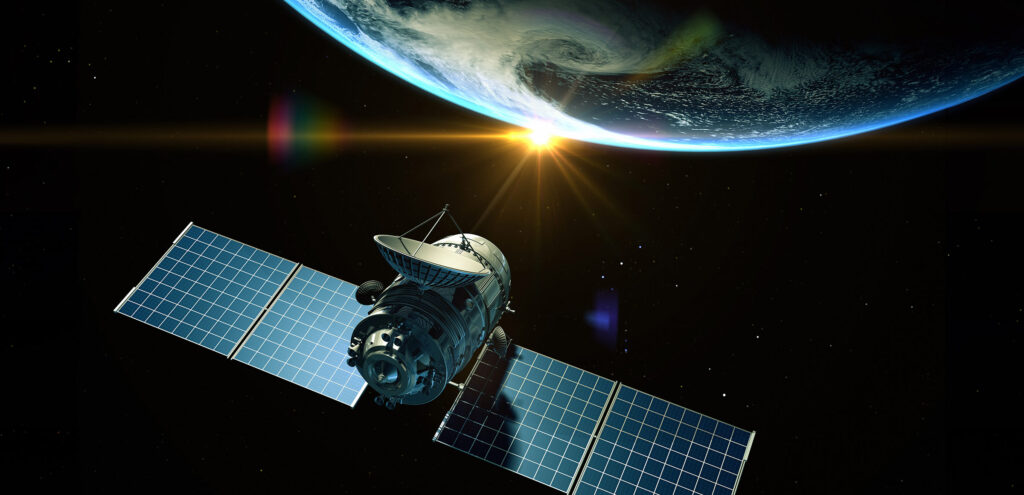
As we explore the vastness of space, one innovative idea that has been gaining traction is the concept of solar panels in space. The idea is to harness the power of the sun in orbit and transmit it back to Earth as a clean and renewable source of energy. In this article, we’ll delve into the history of this concept, its benefits and challenges, and explore what the future holds for solar panels in space.
The Benefits of Solar Panels in Space
One of the primary advantages of solar panels in space is that they can operate continuously without the interference of weather conditions on Earth. This means that they can generate electricity 24/7, without any downtime due to bad weather or other environmental factors.
Another benefit of solar panels in space is that they can be much lighter and more efficient than traditional solar panels on Earth. By using advanced materials and designs, it’s possible to create solar panels that are up to 90% lighter and can generate up to 20% more electricity per unit area.
Solar panels in space also offer a number of other benefits, including:
- Reduced energy losses: Solar panels in space can reduce energy losses due to transmission and conversion inefficiencies.
- Increased reliability: Solar panels in space are less susceptible to natural disasters, such as hurricanes and wildfires, which can damage traditional solar panel installations on Earth.
- Improved scalability: Solar panels in space can be easily scaled up or down depending on the needs of the project.
The Challenges of Solar Panels in Space
However, there are also several challenges associated with solar panels in space. One of the main concerns is the cost of transporting the panels to orbit and assembling them into a functional power plant. This can be extremely expensive, especially for large-scale projects.
Another challenge is the loss of energy during transmission from the panels in space to Earth. While microwaves are a promising technology, they still lose energy due to atmospheric interference. Laser transmitters, on the other hand, have their own set of problems, including the need for precise alignment and the potential for beam divergence.
Solar panels in space also face challenges related to:
- Radiation protection: Solar panels in space must be designed to withstand radiation from the sun and deep space.
- Thermal management: Solar panels in space must be able to regulate their temperature to maintain optimal performance.
- Maintenance access: Solar panels in space must be accessible for routine maintenance and repairs.
The Future of Solar Panels in Space
Despite these challenges, researchers continue to work on developing more efficient and cost-effective solutions for solar panels in space. One promising area of research is the use of advanced materials and designs that can reduce the weight and increase the efficiency of the panels.
For example, a team led by engineer Paul Jeffe has developed solar panels that are shaped like a violin and are incredibly lightweight. These panels have been tested and shown to be highly efficient in capturing sunlight.
Other promising technologies include:
- Solar sails: Solar sails use the pressure of sunlight to propel spacecraft through space.
- In-orbit solar power stations: In-orbit solar power stations use solar panels in space to generate electricity for Earth-based applications.
- Laser-powered satellites: Laser-powered satellites use high-power lasers to transmit energy from orbiting solar panels to Earth.
How it Works
So, how do these solar panels in space actually work? The process involves several steps:
- Solar panel design and manufacturing: Solar panels are designed and manufactured using advanced materials and designs that maximize their efficiency and minimize their weight.
- Assembly and deployment: Solar panels are assembled into a power plant and launched into orbit around the Earth.
- Transmission and reception: The electricity generated by the solar panels is transmitted to Earth using lasers or microwaves, and received by a satellite or other receiver.
- Distribution and use: The energy is then distributed to the power grid and used to meet energy demands on Earth.
Why it Matters
Solar panels in space are an exciting development that has the potential to revolutionize our approach to clean energy. By harnessing the power of the sun in orbit, we can create a sustainable source of electricity that is free from greenhouse gas emissions and other environmental pollutants.
This technology could also help address global energy poverty by providing access to electricity for remote communities and developing countries.
Timeline
While it may seem like a distant dream, solar panels in space are actually becoming a reality. Here’s a rough timeline of what we can expect:
- 2020s: The International Academy of Astronautics predicts that solar panels in space will be operational within the next 30 years.
- 2030s: We can expect to see the first commercial solar panel projects launched into orbit, with the potential for widespread adoption in the decades to come.
- 2040s and beyond: As technology improves and costs decrease, we can expect to see a significant increase in the deployment of solar panels in space.
Frequently Asked Questions
Q: What are the main challenges associated with solar panels in space?
A: The main challenges include the cost of transporting and assembling the panels in orbit, as well as the loss of energy during transmission from the panels to Earth.
Q: How do solar panels in space actually work?
A: The process involves capturing sunlight using advanced solar panel designs, transmitting the electricity back to Earth using lasers or microwave transmitters, and receiving it on Earth by a satellite or other receiver.
Q: Why is this technology important?
A: Solar panels in space have the potential to revolutionize our approach to clean energy, providing a sustainable source of electricity that is free from greenhouse gas emissions and other environmental pollutants.
Q: What’s the timeline for commercial deployment?
A: According to the International Academy of Astronautics, solar panels in space are expected to be operational within the next 30 years.


