
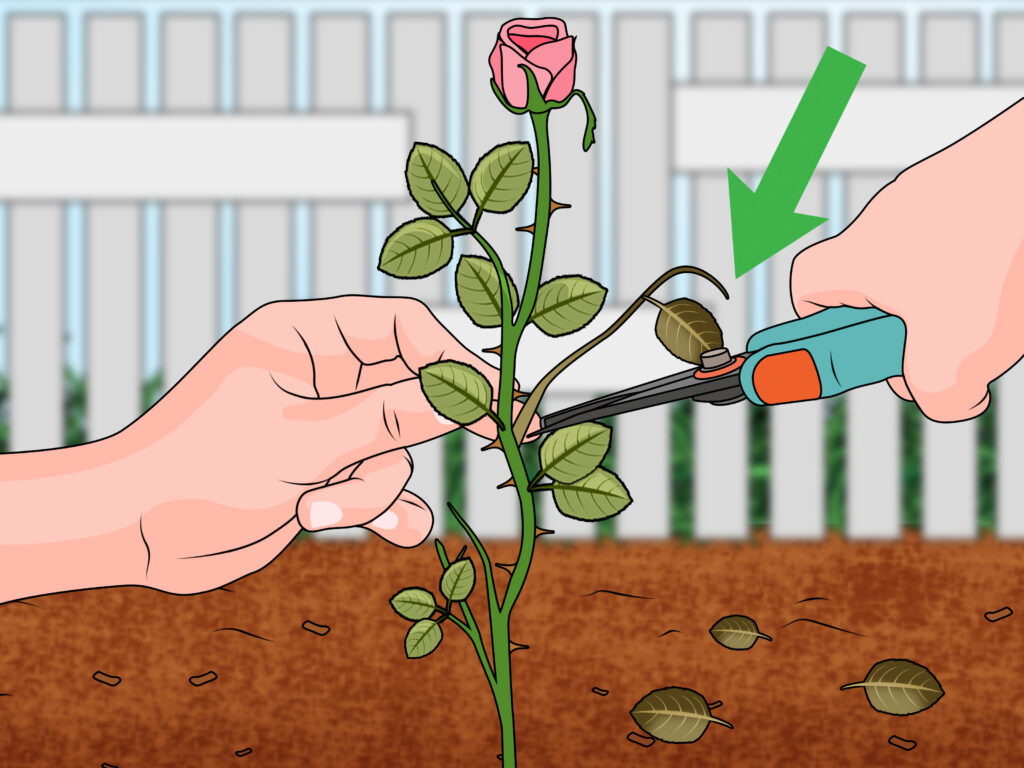
As a rose enthusiast, you’re likely familiar with the joy of growing these beautiful flowers. But have you ever wondered how to propagate new roses? In this article, we’ll explore the technique of propagating roses through cuttings, also known as propagation by cutting.
Why Choose Propagation by Cutting?
Propagation by cutting is a popular method for reproducing roses, particularly for those with long, flexible stems. This technique allows you to create new plants from healthy, vigorous stems, making it an excellent option for gardeners who want to share their favorite rose varieties or start fresh.
One of the primary benefits of propagation by cutting is its simplicity and low cost. Unlike grafting or budding, which require specialized equipment and expertise, propagation by cutting can be done with minimal investment. Additionally, this method allows you to produce a large number of new plants from a single stem, making it an attractive option for gardeners who want to expand their rose collections.
When to Propagate Roses through Cuttings
The best time to propagate roses through cuttings is during the spring and early summer, typically between late May and early July. This period offers optimal conditions for root development, ensuring a strong foundation for your new plants. In areas with cold winters, it’s recommended to wait until July to start propagating.
Before selecting a stem for propagation, make sure it has reached its full growth potential. Avoid taking cuttings from weak or damaged stems, as these may not survive the rooting process. Also, be aware of any pests or diseases that may affect your rose plants and choose healthy stems accordingly.
Selecting the Right Stem
To propagate roses through cuttings, you’ll need to choose a healthy, vigorous stem with a diameter of 1.5-2 cm. Look for stems with nodes, as these are the points where roots will form. Remove any leaves except for the top two or three sets, leaving about 10-15 cm of stem intact.
When selecting stems, consider their color and texture. Healthy stems should be bright green in color and have a smooth, glossy texture. Avoid stems that are wilted, discolored, or covered in pests.
The Propagation Process
Propagating roses through cuttings is an easy and straightforward process:
- Prepare the Cutting: Select a healthy stem with at least one node.
- Bend and Secure: Bend the stem towards the soil and secure it using wire or twine.
- Plant the Cutting: Cover the node with about 5-8 cm of fertile soil, keeping it consistently moist.
- Wait for Roots: Allow the cutting to develop roots over a period of 2-3 months.
- Transplant: Once roots have developed, carefully remove the cutting from the mother plant and transplant it into its new location.
Tips and Variations
To increase your chances of successful propagation, consider the following:
- Use a rooting hormone to stimulate root growth
- Keep the soil consistently moist during the rooting process
- Provide sufficient light and warmth for optimal root development
- Be patient, as propagation can take several months
Another important factor to consider is the type of rose you’re propagating. Some types of roses, such as hybrid teas and floribundas, may require more specialized care than others.
Using Rooting Hormone
Rooting hormone is a substance that helps stimulate root growth in cuttings. You can purchase rooting hormone at most gardening stores or online. Apply the hormone to the node of the cutting before planting it in soil.
When using rooting hormone, make sure to follow the instructions on the label carefully. Some rooting hormones may require you to apply them to the cutting before planting, while others may need to be applied after planting.
The Role of Light and Warmth
Light and warmth play a crucial role in the propagation process. Cuttings that are exposed to sufficient light and warmth will develop roots more quickly than those that are not.
In general, cuttings should receive bright, indirect light for optimal root development. Avoid direct sunlight, which can cause the cutting to dry out or become scorched.
Common Mistakes
When propagating roses through cuttings, there are several common mistakes to avoid:
- Over-watering: Cuttings that are too wet may develop root rot or other problems.
- Under-watering: Cuttings that are too dry may not develop roots at all.
- Improper cutting technique: Cutting stems that are too short or too long can lead to poor rooting success.
Alternatives to Propagation by Cutting
If you’re not comfortable with the propagation process or prefer other methods, there are alternative techniques available:
- Stem Cuttings with Bud Union: This method involves joining two stems together using a bud union technique.
- Layering: A simple and effective method for propagating roses without cutting.
Stem Cuttings with Bud Union
This method involves joining two stems together using a bud union technique. To do this, you’ll need to make a small incision in the stem of one plant and attach it to the stem of another plant using wire or twine.
The bud union technique is particularly useful for propagating roses that are difficult to root through cuttings alone. This method can also help to speed up the rooting process by providing more surface area for roots to develop.
Layering
This method involves bending a stem down towards the soil and securing it with wire or twine. The goal of layering is to encourage roots to form on the lower part of the stem before cutting it from the mother plant.
To propagate using this method, you’ll need to bend the stem at an angle to create a node on the lower part of the stem. Secure the stem in place and allow it to develop roots over a period of several months.
Conclusion
Propagating roses through cuttings is a simple yet rewarding process that allows you to share your favorite rose varieties or start fresh. By following these steps and tips, you’ll be well on your way to becoming a skilled rose propagator.
Frequently Asked Questions (FAQs)
- What are the most suitable climates for propagation by cutting?
- Temperate climates with mild winters and warm summers.
- How often should I water my propagated cuttings during the rooting process?
- Keep the soil consistently moist, but not waterlogged.
- Can I propagate roses through cuttings in the winter?
- No, as this can lead to poor root development and reduced success rates.
- What are some common mistakes when propagating roses through cuttings?
- Over-watering, under-watering, and improper cutting technique.
- How long does it take for propagated roses to establish themselves in their new location?
- Several months to a year or more, depending on factors like climate and care.
By understanding the process of propagating roses through cuttings and following these guidelines, you’ll be able to successfully reproduce your favorite rose varieties and share them with others. Happy gardening!


