
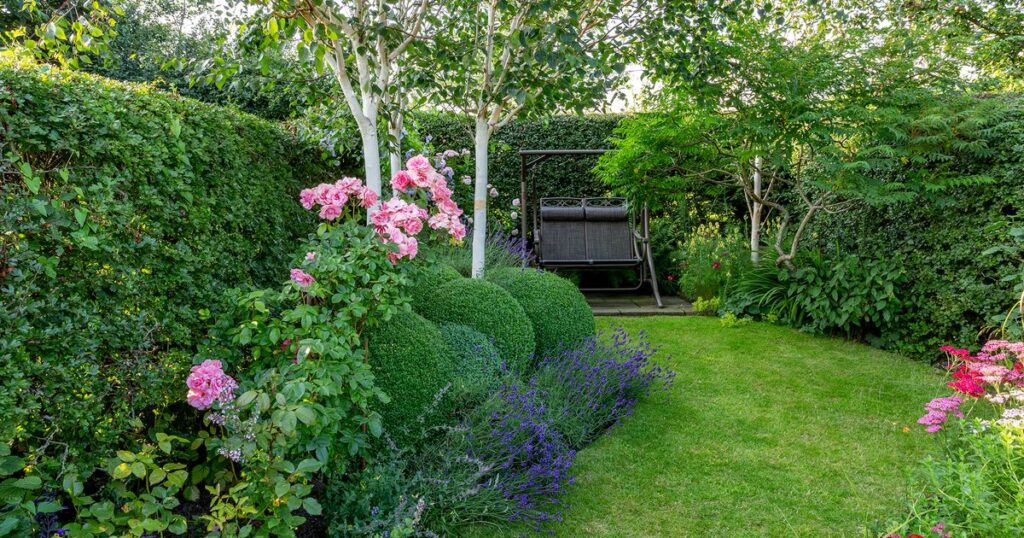
Are you tired of the constant maintenance and upkeep that comes with seasonal gardening? Look no further! Perpetual greens are a great solution for gardeners who want to enjoy beautiful, lush plants year-round. In this article, we’ll explore the different types of evergreen plants that can thrive in your garden, from shrubs and trees to groundcovers and flowering perennials.
What are Evergreen Plants?
Evergreen plants are those that keep their leaves year-round and don’t shed them seasonally like deciduous plants do. This means they’re always looking lush and green, even in the dead of winter. Perpetual greens come in a wide range of shapes, sizes, and colors, so you can choose the perfect plant for your garden.
Types of Evergreen Plants
When it comes to evergreen plants, there are many options to choose from. Here are some popular varieties:
Shrubs and Trees
- Holly (Ilex spp.): A classic evergreen shrub that’s perfect for hedges or topiaries.
- Boxwood (Buxus sempervirens): A versatile, low-maintenance tree that can be pruned to maintain a uniform shape.
- Arborvitae (Thuja occidentalis): A popular evergreen tree with scale-like leaves and a conical shape.
Groundcovers
- Sedum (Sedum spp.): A succulent groundcover that’s perfect for dry, sunny spots.
- Vinca minor (Periwinkle): An evergreen groundcover with blue-purple flowers in the spring.
- Pachysandra (Pachysandra terminalis): A low-growing, spreading evergreen that’s great for shaded areas.
Flowering Perennials
- Heuchera (Heuchera spp.): A popular evergreen perennial with maple-like leaves and airy flowers.
- Astilbe (Astilbe spp.): A flowering perennial with feathery plumes in shades of pink, red, and white.
- Hostas (Hosta spp.): A versatile evergreen perennial with large leaves and funnel-shaped flowers.
Fruiting Shrubs
- Citrus (Citrus spp.): A popular evergreen shrub that produces delicious fruit, such as lemons and oranges.
- Carissa (Carissa grandiflora): An evergreen shrub with white flowers and edible berries.
- Yucca (Yucca spp.): A succulent evergreen shrub with tall flowers and spiky leaves.
Ornamental Grasses
- Pampas Grass (Cortaderia selloana): A showy, feathery grass that’s perfect for adding texture to your garden.
- Blue Oat Grass (Helictotrichon sempervirens): A low-maintenance evergreen grass with blue-green foliage.
Tips for Choosing the Right Evergreen Plant
When selecting an evergreen plant, consider the following factors:
- Climate and temperature: Choose plants that can tolerate extreme temperatures and moisture levels.
- Light and shade requirements: Consider how much light your garden receives and choose plants that thrive in those conditions.
- Soil type and moisture levels: Select plants that are adapted to your soil type and moisture needs.
- Maintenance needs (pruning, fertilizing, etc.): Choose plants that require minimal maintenance or can thrive with infrequent care.
- Space constraints (height, spread, etc.): Consider the mature size of the plant and choose varieties that fit within your space constraints.
How to Care for Your Evergreen Plants
To keep your evergreen plants thriving, follow these care tips:
- Watering: Water deeply but infrequently to encourage deep root growth and prevent overwatering.
- Fertilizing: Fertilize in the spring with a balanced fertilizer to promote healthy growth.
- Pruning: Prune in the winter or early spring to maintain shape and promote new growth.
- Mulching: Apply mulch around plants to retain moisture, suppress weeds, and regulate soil temperature.
Common Problems with Evergreen Plants
While evergreen plants are generally low-maintenance, they can still encounter problems like pests, diseases, and nutrient deficiencies. Here are some common issues to watch out for:
- Pests: Keep an eye out for pests like aphids, whiteflies, and spider mites.
- Diseases: Watch for fungal diseases like powdery mildew and root rot.
- Nutrient deficiencies: Monitor for signs of nutrient deficiencies, such as yellowing leaves or stunted growth.
Conclusion
Perpetual greens are a wonderful addition to any garden. With so many options to choose from, you can create a beautiful, low-maintenance landscape that’s perfect for year-round enjoyment.
Frequently Asked Questions
- What is the best evergreen plant for my climate?
- The best evergreen plant for your climate will depend on the specific conditions in your area. Consider factors like temperature, light, and moisture levels when selecting a plant.
- How often should I prune my evergreen plants?
- Pruning frequency will vary depending on the type of plant and its growth habits. Consult with a gardening expert or check the plant’s care label for specific pruning instructions.
-
Can I grow evergreen plants in containers?
- Yes, many evergreen plants can thrive in containers! Choose a planter that is at least 1-2 sizes larger than the plant’s root ball to provide enough room for growth.
-
How do I care for my evergreen shrubs during the winter months?
- During the winter, reduce watering and fertilizing to prevent overgrowth. Prune any dead or damaged branches to maintain the plant’s health.
- Can I grow fruiting shrubs in containers?
- Yes, many fruiting shrubs can be grown in containers! Choose a planter with good drainage to prevent root rot.


