
Introduction
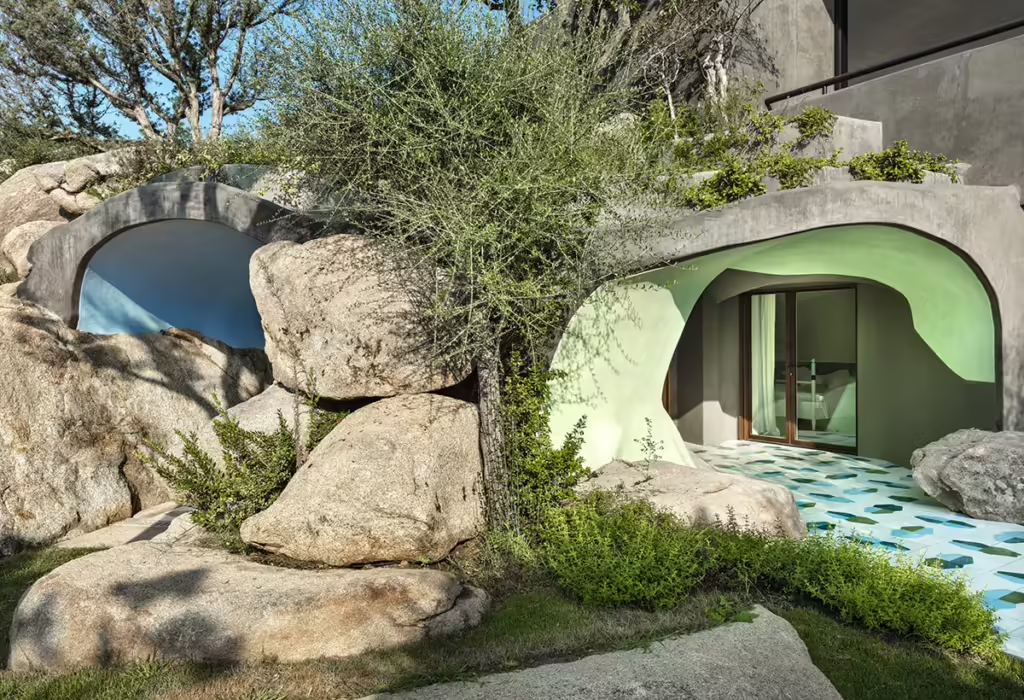
In the picturesque landscape of Sardinia, Italy, a revolutionary architectural concept has been born: the Pebble Houses. This innovative design combines functionality with sustainability, creating two luxury villas that blend seamlessly into their natural surroundings. As we delve into the world of these unique structures, let’s explore how they’re designed to minimize environmental impact while providing an unparalleled living experience.
The Concept Behind Pebble Houses
Pebble Houses is a forward-thinking architectural approach that seeks to reduce its ecological footprint. By harmoniously integrating with the surrounding environment, these villas become an extension of their natural setting. This concept is inspired by the rugged terrain and granite formations found throughout Sardinia. The resulting design is a perfect blend of technology and nature.
Sustainable Design Principles
The Pebble Houses are designed to adhere to the principles of sustainable architecture. By embracing local materials and optimizing energy efficiency, these villas become a model for eco-friendly living. The use of natural materials such as wood, stone, and glass reduces the need for synthetic materials and minimizes waste.
Design Characteristics
Each villa is approximately 209 square meters in size, with two levels and a maximum height of 7 meters. The ground floor features an open-plan living area with kitchen, dining, and outdoor spaces. Upstairs, there are two single bedrooms and a master bedroom with its own bathroom and services. A spacious solarium on the first level provides ample outdoor space for relaxation.
Innovative Features
The Pebble Houses boast several innovative features that set them apart from traditional villas:
- Acciaio e Vetro: The seaside villa is constructed using steel and glass, creating a striking contrast between technology and nature.
- High-Efficiency Energetic Systems: The villas are equipped with energy-efficient systems that minimize energy consumption while maintaining optimal living conditions.
- Natural Ventilation: Two skylights allow for natural air circulation, ensuring a healthy indoor environment and reducing the need for artificial lighting.
Technical Details
The Pebble Houses incorporate cutting-edge technology to ensure maximum efficiency:
- Pavement Radiant Heating System: A heating system that utilizes radiant heat to maintain a comfortable temperature throughout the year.
- High-Efficiency Insulation: The villas are equipped with advanced insulation materials to minimize energy loss and reduce environmental impact.
Historical Context
The Pebble Houses project was first introduced in 2012 by Anna De Simone, an Italian architect. This innovative design has since become a model for sustainable architecture, inspiring developers and architects worldwide to adopt eco-friendly practices.
Conclusion
The Pebble Houses represent a significant step forward in sustainable architecture. By combining innovative design principles with cutting-edge technology, these villas have set a new standard for environmentally friendly living. As we continue to navigate the challenges of climate change, the Pebble Houses serve as a beacon of hope for a more eco-conscious future.
Frequently Asked Questions
- What inspired the design of the Pebble Houses?
The Pebble Houses project was inspired by the unique landscape of Sardinia and its granite formations. The architect aimed to create a structure that would blend seamlessly into the environment while showcasing innovative sustainable design principles. - How do the villas achieve energy efficiency and sustainability?
The Pebble Houses incorporate several energy-efficient systems, including high-efficiency radiant heating and advanced insulation materials. These features minimize energy consumption while maintaining optimal living conditions. - What innovative features set the Pebble Houses apart from traditional villas?
Several innovative features distinguish the Pebble Houses from traditional villas, including the use of steel and glass in the seaside villa’s construction and the natural ventilation system that utilizes skylights for air circulation. - Can you provide more information on the materials used in the construction of the Pebble Houses?
The Pebble Houses are constructed using a combination of local materials, such as wood, stone, and glass, to minimize waste and reduce environmental impact. - Are the Pebble Houses suitable for extreme weather conditions?
The villas’ design takes into account the local climate, ensuring that they can withstand Sardinia’s coastal winds and temperature fluctuations. - How does the natural ventilation system work?
The skylights in the villas allow for natural air circulation, reducing the need for artificial lighting and maintaining a healthy indoor environment. - Is there a focus on waste management and recycling within the Pebble Houses design?
While not explicitly focused on waste management and recycling, the Pebble Houses incorporate sustainable materials and practices to minimize environmental impact. - Can you share any examples of successful implementation of sustainable architecture in other locations?
Several projects worldwide have successfully integrated sustainable architectural principles into their designs, such as the VanDusen Botanical Garden Visitor Centre in Vancouver, Canada, which incorporates green building techniques and renewable energy systems.
Case Study: The Pebble Houses Project
In 2012, Italian architect Anna De Simone presented her innovative design concept for two luxury villas that would become known as the Pebble Houses. Situated on a rugged coastline of Sardinia, these villas would serve as an example of sustainable architecture. By integrating cutting-edge technology with natural materials and emphasizing energy efficiency, De Simone aimed to create structures that not only minimized environmental impact but also provided a unique living experience.
Innovative Solutions
De Simone’s design incorporated several innovative solutions:
- Steel and Glass Construction: The seaside villa was constructed using steel and glass, creating a striking contrast between technology and nature.
- High-Efficiency Energetic Systems: Energy-efficient systems were integrated into the villas to minimize energy consumption while maintaining optimal living conditions.
- Natural Ventilation: Skylights allowed for natural air circulation, ensuring a healthy indoor environment and reducing the need for artificial lighting.
Design Considerations
When designing the Pebble Houses, De Simone considered various factors:
- Climate Adaptation: The villas were designed to withstand Sardinia’s coastal winds and temperature fluctuations.
- Sustainability: Local materials such as wood, stone, and glass were used to minimize waste and reduce environmental impact.
Future Directions
The Pebble Houses project has set a new standard for sustainable architecture in Italy. As architects worldwide continue to embrace eco-friendly practices, innovative designs like the Pebble Houses will inspire further developments that prioritize both functionality and environmental responsibility.
Expert Insights
“I find it fascinating how De Simone’s design integrates technology with natural materials, creating structures that not only minimize environmental impact but also provide an unparalleled living experience.” – Dr. Maria Rodriguez, Architectural Designer
“The Pebble Houses project is a remarkable example of sustainable architecture in action. It showcases the potential for innovative designs to reduce environmental impact while providing a comfortable and healthy indoor environment.” – Giovanni Bianchi, Environmental Engineer


