
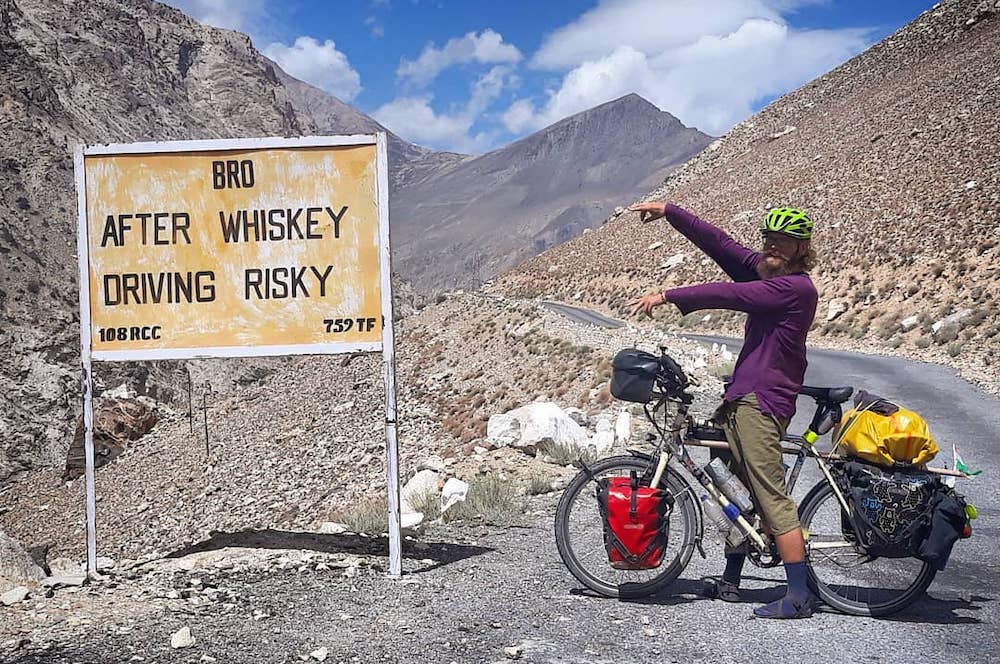
Are you ready to immerse yourself in the local culture, feel the wind on your face, and smell the fresh air? Cycling around the world is an incredible experience that allows you to step into the atmosphere of a country and discover its hidden gems. But before embarking on this adventure, it’s essential to prepare yourself and your bike for the journey.
Pre-Trip Planning
Before hitting the road, plan out your route using guides like Lonely Planet or Michelin, and consult Google Maps to determine the distance between each destination. For longer rides of 60-70 km, consider breaking them up into two days with overnight stops at intermediate locations.
When planning your trip, it’s also essential to research the local culture and customs, as well as any necessary vaccinations or medications. Make sure you have the following information:
- Your itinerary
- A list of emergency contacts
- A map of your route
- Information about accommodations and transportation options
Biking Equipment Essentials
When it comes to packing for a bike trip, there are several essentials you should include in your luggage:
- Backpack or luggage: Invest in a comfortable backpack with multiple compartments to keep your gear organized.
- First aid kit: A basic first aid kit should include supplies like bandages, antiseptic wipes, pain relievers, and any medications you may need.
- Sleeping bag and pad: Bring a warm sleeping bag and a good-quality sleeping pad for comfortable camping.
- Two technical shirts and pants: Pack clothes made from breathable materials that will keep you cool in the heat and dry in the rain.
- Extra clothes: Bring an extra set of clothes, including undergarments and socks, in case your clothes get wet or dirty.
- Tire repair kit: A tire repair kit should include spare tubes, tire levers, and a pump to help you fix flats on the go.
- Bike lock and key: Bring a sturdy bike lock and a spare key to ensure your bike is secure when you’re not using it.
- Front light and backup lights: A front light will keep you visible in low-light conditions, while backup lights can provide an extra source of light if the primary light fails.
- Portable air compressor: An air compressor can help you inflate your tires quickly and easily.
- Water bottle and hydration system: Bring a water bottle or hydration system to stay hydrated on long rides.
- Helmet and gloves: Wear a helmet and gloves to protect yourself from injury in case of a fall.
Biking Tips and Tricks
Before you start pedaling, ensure that your bike is properly equipped with:
- A suitable saddle height to prevent discomfort
- Adequate brakes for safe stopping
- A reliable gear system for tackling varying terrain
To minimize fatigue and maximize enjoyment:
- Avoid biking immediately after meals or when you’re too hungry or thirsty: Eating a light meal before a ride can help provide energy, while staying hydrated throughout the day is essential.
- Bring a water bottle to stay hydrated throughout the day: Water bottles with built-in filters or purification tablets can ensure access to safe drinking water on the go.
- Double-check your bike’s condition before departure: Regular maintenance can prevent mechanical issues and keep you riding safely.
- Plan your overnight stops ahead of time to avoid last-minute rush decisions: Booking accommodations in advance can help ensure availability and save you from stress.
Biking Safety Reminders
When on the road, always:
- Wear bright and visible clothing: This includes brightly colored shirts, pants, and jackets that will make you stand out to drivers.
- Use hand signals when turning or changing lanes: Hand signals can help communicate with other cyclists and drivers.
- Stay alert for potential hazards like potholes and debris: Regularly scanning the road ahead can help prevent accidents.
- Avoid riding in low-light conditions whenever possible: Riding at night can be hazardous, so try to stick to well-lit roads or wait until daylight.
What to Bring on Your Biking Trip
Don’t forget to pack these essential items:
- Passport and travel documents: Make sure your passport is valid for at least six months beyond your planned departure date.
- Travel insurance information: Travel insurance can provide financial protection in case of unexpected cancellations or interruptions.
- Cash, credit cards, and a money belt: Having a secure way to carry your cash and credit cards can help prevent theft.
- A small daypack for carrying snacks and other essentials: A lightweight daypack can provide easy access to supplies during long rides.
By following these guidelines and tips, you’ll be well-prepared for an unforgettable biking adventure around the world.


