
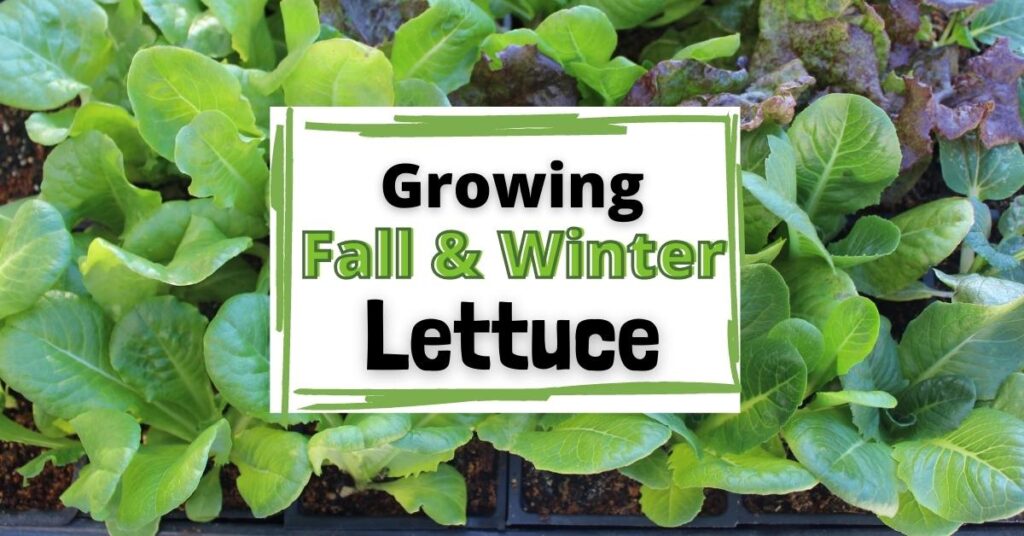
As the summer months come to an end, gardeners in Northern Italy know that it’s time to start thinking about preparing their lettuce crops for the cold winter months ahead. This is where growing winter and autumn lettuce comes in – a hardy and delicious variety of leafy greens that can thrive in cooler temperatures.
Understanding Winter and Autumn Lettuce
Winter and autumn lettuce, also known as “cappuccino” lettuce due to its characteristic coloration, is a type of leafy green that can be grown both indoors and outdoors. It’s a hardy crop that can tolerate light frosts and can be harvested from late November to early February.
Choosing the Right Variety
There are several varieties of winter and autumn lettuce available, each with its own unique characteristics. Some popular varieties include:
- Lattuga cappuccino invernale: A classic variety that’s perfect for growing indoors or outdoors.
- Lattuga cappuccino autunnale: A slightly more mature variety that’s ideal for growing in the autumn months.
- Meraviglia d’Inverno: A variety that’s known for its large, juicy leaves and can be harvested from November to February.
- Trocadero a seme nero: A variety that’s perfect for growing indoors and produces beautiful, dark green leaves.
Preparing the Soil
Before you start sowing your winter and autumn lettuce, make sure the soil is ready. Winter and autumn lettuce prefer well-draining soil that’s rich in organic matter. Add compost or manure to the soil to give it a boost of nutrients.
Sowing Your Lettuce Seeds
To sow your lettuce seeds, use a good quality potting mix and plant them about 1-2 inches deep. Cover the seeds with a thin layer of soil and water well. Keep the soil moist but not waterlogged until the seedlings emerge.
Housing Your Potted Plants
Once your lettuce plants have emerged, it’s time to house them in a sheltered spot where they can grow undisturbed. Use a cold frame or a greenhouse to protect your plants from harsh weather conditions. If you don’t have access to either of these, you can also use a polytunnel or a plastic cover to keep the rain and frost out.
Protecting Your Lettuce from Frost
Frost can be devastating for winter and autumn lettuce crops. To protect your plants from frost, use a variety of methods including:
- Using a cold frame or greenhouse
- Covering the plants with a breathable fabric such as burlap or fleece
- Using a layer of insulating material such as straw or bubble wrap to keep the soil warm
Tips for Growing Winter and Autumn Lettuce
Here are some additional tips for growing winter and autumn lettuce:
- Sow your seeds in late summer: This will give you enough time to harvest your crop before the weather gets too cold.
- Use a trellis or stakes to support your plants: This will help keep them upright and prevent them from getting too leggy.
- Harvest your lettuce regularly: Regular harvesting will encourage your plants to produce more leaves and prevent them from becoming too bitter.
Frequently Asked Questions
Here are some frequently asked questions about growing winter and autumn lettuce:
- How long does it take for winter and autumn lettuce to mature?
- Winter and autumn lettuce typically takes around 60-90 days to mature.
- What is the best way to protect my lettuce from frost?
- Use a cold frame or greenhouse, cover the plants with a breathable fabric such as burlap or fleece, or use a layer of insulating material such as straw or bubble wrap to keep the soil warm.
- How do I harvest my winter and autumn lettuce?
- Harvest your lettuce leaves regularly, using scissors or pinch off the individual leaves to encourage new growth.
Growing winter and autumn lettuce is a rewarding experience that can add some delicious greens to your salads and sandwiches. With the right variety, sowing time, and housing techniques, you can enjoy a bountiful harvest of tasty and nutritious lettuces all year round.
Additional Tips for Growing Winter and Autumn Lettuce
Here are some additional tips for growing winter and autumn lettuce:
- Use row covers to protect your plants from frost: Row covers can help keep the cold air out and prevent frost damage.
- Keep your soil consistently moist: Make sure the soil is kept consistently moist, but not waterlogged, to encourage healthy growth.
- Monitor for pests and diseases: Regularly check your plants for signs of pests or diseases, and take action promptly if you notice any issues.
Common Mistakes to Avoid When Growing Winter and Autumn Lettuce
Here are some common mistakes to avoid when growing winter and autumn lettuce:
- Sowing seeds too early: Make sure to sow your seeds at the right time, taking into account the temperature and weather conditions.
- Not providing enough light: Winter and autumn lettuce need plenty of light to grow well. Make sure they are getting sufficient light, either from direct sunlight or artificial lighting.
- Overwatering: Avoid overwatering, which can lead to root rot and other problems.
By following these tips and avoiding common mistakes, you can enjoy a bountiful harvest of delicious winter and autumn lettuce all year round. Whether you’re growing it indoors or outdoors, with the right techniques and care, you can add some tasty greens to your salads and sandwiches.


