
Introduction
Lavender is a popular aromatic herb that is highly valued for its fragrant flowers, calming properties, and versatility in cooking and perfumery. Growing lavender can be a rewarding experience, but it requires proper care and attention to thrive. In this article, we will provide you with a step-by-step guide on how to grow lavender, from planting to harvesting.
When to Plant Lavender
The ideal time to plant lavender is in the spring or early summer, when the weather is warm and sunny. However, you can also plant lavender in the fall, about 6-8 weeks before the first frost. This will give your lavender plants a chance to establish themselves before the winter months.
Lavender Flowering
Lavender flowers typically bloom in late spring or early summer, producing small, fragrant blooms that are highly prized for their calming and medicinal properties. The flowering period can last anywhere from 2-4 weeks, depending on factors like climate, soil quality, and plant health.
Growing Lavender
To grow lavender successfully, follow these tips:
Exposure and Climate
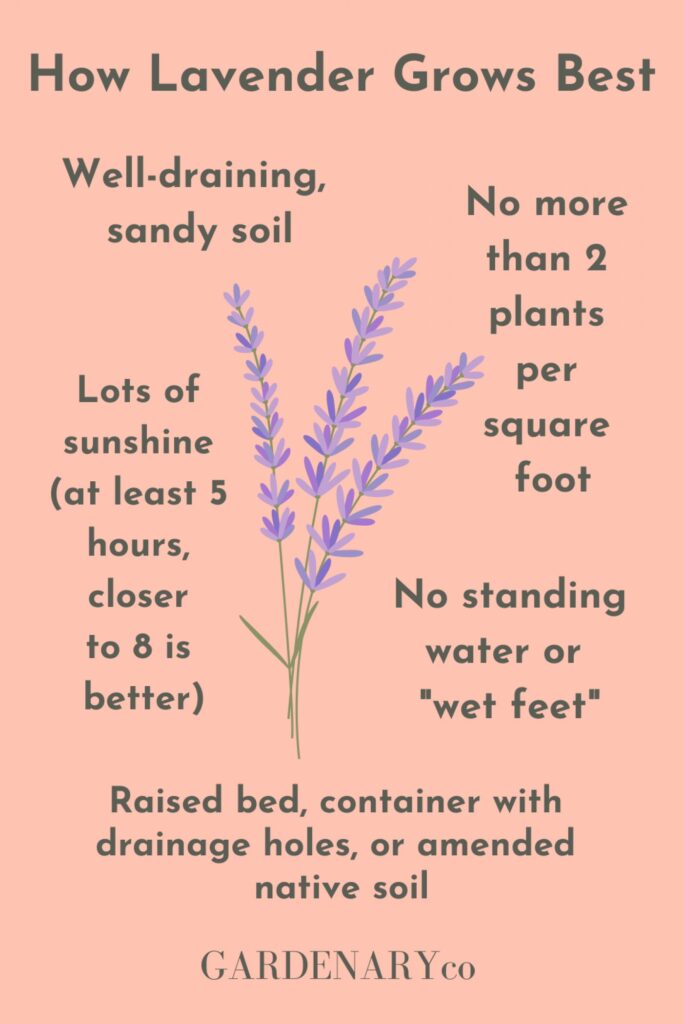
Lavender loves full sun to partial shade, making it an ideal choice for gardeners in warm climates. Choose a location with good air circulation to prevent fungal diseases. If you’re growing lavender indoors, make sure it receives plenty of direct sunlight.
Factors Affecting Lavender Growth
Before we dive into the nitty-gritty of growing lavender, let’s talk about some factors that can impact its growth:
- Temperature: Lavender prefers warm temperatures between 65-75°F (18-24°C). Avoid exposing plants to extreme temperatures.
- Soil pH: Lavender thrives in well-draining soil with a slightly acidic to neutral pH (6.0-7.0).
- Watering: Lavender requires infrequent but thorough watering. Avoid overwatering, which can lead to root rot and other problems.
Soil Preparation
Before planting, prepare the soil by loosening it to a depth of 12-18 inches. Lavender prefers well-draining soil that is rich in calcium and magnesium. Mix in compost or manure to improve soil fertility and structure.
Using Organic Matter
Adding organic matter like compost or manure can help improve lavender’s growth:
- Compost: Rich in nutrients, compost can help promote healthy root development.
- Manure: High in nitrogen, phosphorus, and potassium, manure can support vigorous growth.
Watering and Irrigation
Lavender requires infrequent but thorough watering. Avoid overwatering, which can lead to root rot and other problems. Water plants deeply once or twice a week, depending on climate conditions:
- Drought-tolerant: Lavender is adapted to dry conditions and can survive with minimal watering.
- Watering frequency: In hot climates, lavender may require more frequent watering.
Potting and Transplanting
When growing lavender in containers, choose pots that are at least 6-8 inches deep to accommodate the plant’s extensive root system. Use a well-draining potting mix specifically designed for lavender:
- Deep pots: Provide enough room for roots to grow.
- Well-draining mix: Prevent waterlogged soil.
Pruning and Maintenance
Regular pruning is essential to promote healthy growth and prevent overgrowth. Cut back stems after flowering, and trim back new growth to maintain shape and encourage branching:
- Pruning frequency: Prune lavender in spring or summer for optimal results.
- Pruning techniques: Use clean cuts, removing dead or damaged stems.
Encouraging Abundant Blooms
To ensure your lavender plant produces plenty of flowers:
- Provide regular fertilization with a balanced fertilizer (10-10-10 NPK).
- Keep the soil moist but not waterlogged.
- Prune regularly to promote bushy growth and encourage flowering.
Lavender in Pots
Growing lavender in pots can be a great option if you don’t have space for a garden or want to move your plant indoors. Here are some tips:
- Use large enough pots (at least 6-8 inches deep).
- Choose well-draining potting mix specifically designed for lavender.
- Fertilize regularly with balanced fertilizer.
Multiplying Lavender by Cuttings
To propagate lavender, take cuttings from the tips of stems in spring or summer. Dip the cut ends in rooting hormone and plant them in a moistened potting mix:
- Cutting length: Take 2-3 inch stem sections.
- Rooting hormone: Enhance root development with commercial products.
Drying Lavender Flowers
Lavender flowers can be dried to preserve their fragrance and beauty. Simply tie the stems together, hang upside down, and allow the flowers to air dry:
- Air-dry method: Allow flowers to dry naturally.
- Heat-dry method: Use a food dehydrator for faster drying.
Using Lavender on Skin
The essential oil of lavender has been used for centuries to soothe skin irritations, calm anxiety, and promote relaxation. To use lavender oil on your skin:
- Apply a few drops after diluting with a carrier oil (like coconut or jojoba oil).
- Avoid applying undiluted lavender oil directly to the skin.
FAQs
- Can I grow lavender in shady conditions?
No, lavender requires full sun to partial shade to thrive. - How often should I fertilize my lavender plant?
Fertilize regularly with a balanced fertilizer (10-10-10 NPK) during growing season. - Why is my lavender plant turning yellow?
Overwatering or nutrient deficiency can cause yellow leaves. Check soil moisture and adjust your watering schedule. - Can I grow lavender in cold climates?
Lavender can tolerate light frost but may not survive harsh winters. Protect the plants with mulch or bring them indoors during extreme weather conditions. - How do I propagate lavender by division?
Divide established clumps in spring or fall, making sure each section has at least one “eye” (small stem bud). Replant immediately, water thoroughly, and provide adequate care.
By following these guidelines and tips, you’ll be well on your way to growing healthy, fragrant, and beautiful lavender plants that will bring joy and serenity to your garden or home.


