
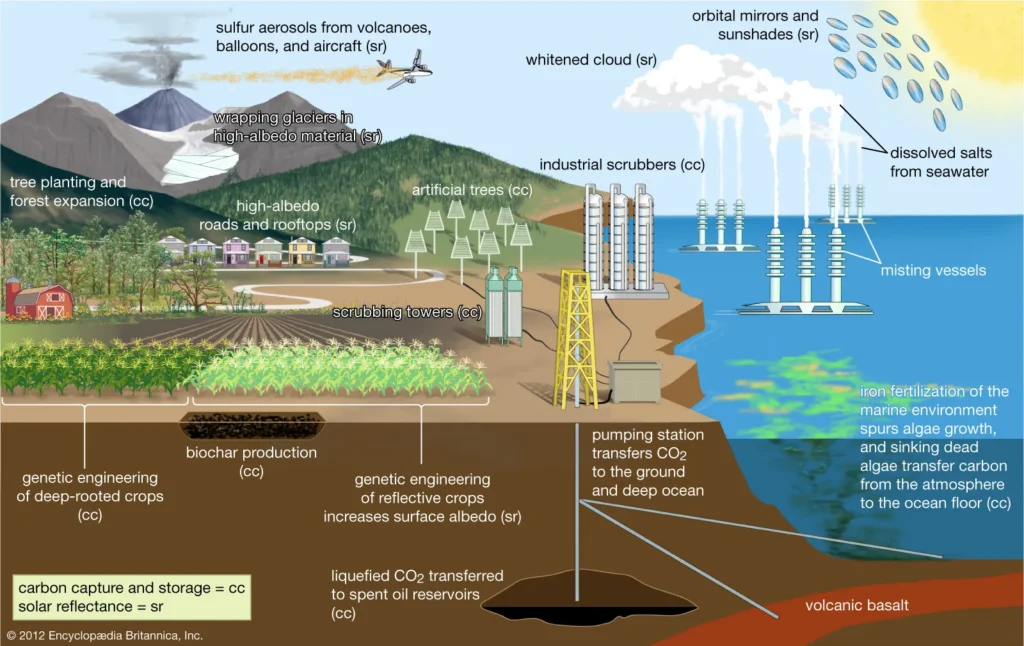
Geoengineering, also known as climate engineering, is a new field that combines the principles of engineering with the goal of mitigating climate change. This innovative approach has sparked intense debate among scientists and policymakers, with some hailing it as a game-changer for combating global warming, while others raise concerns about its potential risks and unintended consequences.
What is Geoengineering?
Geoengineering is the study of technologies and techniques that aim to counteract climate change by modifying various factors that contribute to global warming. The primary goal is to reduce the amount of greenhouse gases in the atmosphere, particularly carbon dioxide, which is the main culprit behind global warming.
The Case for Geoengineering
Proponents of geoengineering argue that this approach offers a more radical and effective solution to climate change than traditional mitigation strategies. By directly addressing the root causes of global warming, geoengineering proponents claim that we can create a significant impact in the short term.
However, the scientific community is deeply divided on the potential benefits and risks of geoengineering. Some experts worry about the environmental impacts of large-scale geoengineering projects, while others raise concerns about their economic viability.
Types of Geoengineering
Geoengineering can be broadly categorized into three main types:
- Solar Engineering: This approach focuses on manipulating solar radiation to reduce global temperatures. One example is the “sunshade” concept, which proposes injecting aerosols into the stratosphere to reflect sunlight back into space.
- Carbon Dioxide Removal (CDR): This type of geoengineering aims to remove CO2 from the atmosphere using techniques such as ocean fertilization or afforestation/reforestation. Another example is the “urban albedo” approach, which involves coating urban surfaces with materials that reflect sunlight and reduce heat absorption.
- Hydrological Engineering: This type of geoengineering focuses on modifying water cycles to counteract climate change impacts. One example is the creation of artificial lakes or dams to store excess water during floods.
Current Research and Debates
Several studies have explored the potential benefits and risks of geoengineering. For instance, a study published in 2018 proposed using iron-rich ocean fertilizers to enhance phytoplankton growth and absorb CO2 from the atmosphere.
On the other hand, some experts argue that geoengineering could lead to unforeseen consequences, such as disrupting global weather patterns or creating new environmental problems.
The Way Forward
As research on geoengineering continues to evolve, it is essential to address the concerns and uncertainties surrounding this approach. By engaging in open and transparent discussions among scientists, policymakers, and stakeholders, we can work towards a better understanding of the potential benefits and risks of geoengineering.
Ultimately, climate change requires a multi-faceted solution that involves reducing greenhouse gas emissions, adapting to changing weather patterns, and developing new technologies to mitigate its impacts. Geoengineering, if done responsibly and with careful consideration of its potential consequences, could be an important tool in our quest to address this global challenge.
Frequently Asked Questions
- What is the main goal of geoengineering?
- The primary objective is to reduce greenhouse gas emissions and mitigate climate change impacts.
- Is geoengineering a new field of study?
- Yes, it combines principles from engineering and climate science to develop innovative solutions for addressing climate change.
- What are the potential risks associated with geoengineering?
- Concerns include unintended environmental consequences, economic viability, and governance challenges.
- Can geoengineering be effective in reducing global temperatures?
- The scientific community is divided on its potential benefits and risks; more research is needed to determine its effectiveness.
- How can we ensure that geoengineering is developed responsibly?
- Collaboration among scientists, policymakers, and stakeholders, as well as transparent and open communication about its potential consequences, are crucial.
Real-World Applications of Geoengineering
Geoengineering has been explored for various real-world applications, including:
- Solar Radiation Management (SRM): This approach involves injecting aerosols into the stratosphere to reflect sunlight back into space, thereby cooling the planet.
- Carbon Capture and Storage (CCS): This technology captures CO2 emissions from power plants and industrial processes, storing them underground for long periods of time.
- Bioenergy with Carbon Capture and Storage (BECCS): This approach involves growing biomass crops to produce energy, capturing the carbon dioxide emissions associated with combustion, and storing it in geological formations.
Case Studies
Several case studies have demonstrated the potential benefits and challenges of geoengineering:
- The Stratospheric Aerosol Injection (SAI) Experiment: Conducted in 2010, this study involved injecting aerosols into the stratosphere to simulate a large-scale geoengineering experiment.
- The Ocean Fertilization Project: This project aims to enhance phytoplankton growth and absorb CO2 from the atmosphere by adding iron-rich fertilizers to the oceans.
Challenges and Limitations
Geoengineering faces several challenges and limitations, including:
- Scalability: Large-scale geoengineering projects require significant resources and infrastructure.
- Unintended Consequences: Geoengineering can lead to unforeseen environmental consequences, such as disrupting global weather patterns or creating new environmental problems.
- Governance Challenges: Geoengineering raises governance challenges, including questions about who should control the technology and how it should be deployed.
Conclusion
Geoengineering is a promising approach for addressing climate change, but its potential benefits and risks must be carefully considered. By engaging in open and transparent discussions among scientists, policymakers, and stakeholders, we can work towards a better understanding of the potential benefits and risks of geoengineering and develop this technology responsibly.
Ultimately, climate change requires a multi-faceted solution that involves reducing greenhouse gas emissions, adapting to changing weather patterns, and developing new technologies to mitigate its impacts. Geoengineering, if done responsibly and with careful consideration of its potential consequences, could be an important tool in our quest to address this global challenge.


