
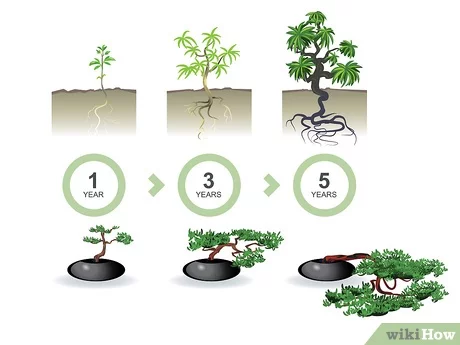
As an avid plant enthusiast, you may be wondering how to cultivate a beautiful bonsai tree from seed or stem cutting. This article will guide you through the process of creating a thriving bonsai using both methods.
Understanding the Technique of Stem Cutting
Stem cutting is an excellent technique for creating a well-established bonsai quickly. It involves taking a section of a healthy plant and rooting it in a specialized soil to encourage new growth. This method allows you to bypass years of waiting for your bonsai tree to mature from seed.
How Stem Cutting Works
When you take a stem cutting, you are essentially creating a new individual plant that can grow into a unique and beautiful bonsai. The process involves:
- Selecting a healthy stem with at least two nodes (the joints where leaves meet the stem).
- Removing any leaves from the lower half of the cutting to prevent water loss.
- Applying a rooting hormone to stimulate root growth.
- Planting the cutting in a well-draining soil mix, such as a mixture of peat moss and sand.
- Providing optimal conditions for growth, including bright indirect light, consistent moisture, and controlled temperatures.
Benefits of Stem Cutting
Stem cutting has several benefits that make it an attractive method for creating bonsai trees:
- Faster Results: With stem cutting, you can see results in as little as 6-12 months, compared to 2-5 years with seed propagation.
- Increased Control: By controlling the type of tree and its growth habits, you can create a more uniform and visually appealing bonsai.
- Reduced Risk: Stem cuttings are less prone to disease and pests than seeds, which makes them easier to care for.
Creating a Bonsai from Seed
Growing a bonsai from seed can be challenging, but it offers several benefits:
- Unique Tree Characteristics: Seeds allow you to create a tree with unique characteristics that may not be found in a commercially available species.
- Improved Genetic Diversity: By propagating trees from seed, you are introducing genetic diversity into your collection, which helps maintain the health and resilience of your bonsai.
How to Create a Bonsai from Seed
To create a bonsai from seed, follow these steps:
Step 1: Prepare Your Seeds
Obtain high-quality bonsai seeds that are suitable for indoor growing. Sterilize the seeds by soaking them in bleach or using an autoclave to prevent contamination.
Step 2: Plant the Seeds
Sow multiple seeds in a shallow tray filled with a soft, well-draining soil mix. Water gently but thoroughly, ensuring the soil is moist without being waterlogged.
Step 3: Maintain Optimal Conditions
Place the tray in a bright location with indirect sunlight and maintain optimal temperatures (around 65°F to 75°F or 18°C to 24°C). Keep the soil consistently moist but not waterlogged.
Step 4: Monitor Progress
Regularly check on the seeds’ progress by looking for signs of germination. Once you notice seedlings, begin pruning and training them into a bonsai shape.
Challenges with Seed Propagation
While seed propagation offers several benefits, it also presents some challenges:
- Variable Results: Seeds can produce variable results, making it difficult to predict the size, shape, or color of your bonsai.
- Long Growth Period: Seeds take longer to germinate and grow into mature trees, which requires patience and dedication.
- Increased Risk: Seeds are more prone to disease and pests than stem cuttings, which makes them more challenging to care for.
Comparison of Stem Cutting and Seed Propagation
Here’s a comparison of the two methods:
| Method | Timeframe | Control | Results |
|---|---|---|---|
| Stem Cutting | 6-12 months | High | Uniform results |
| Seed Propagation | 2-5 years | Low | Unique characteristics |
Conclusion
Creating a beautiful bonsai requires patience, dedication, and proper care. With either stem cutting or seed growth methods, you can develop a stunning and unique plant that will bring joy to your garden or indoor space. Remember to choose the right materials, provide optimal conditions, and be patient with the process.
Frequently Asked Questions
- What is the best type of tree for creating a bonsai?
Popular species include Ficus, Juniperus, and Maple trees, which are known for their adaptability and growth potential. - How often should I water my bonsai?
Regular watering is crucial to prevent over-drying or under-watering your plant. Check the soil moisture by inserting a toothpick into the soil up to one inch deep. - What is the ideal temperature range for creating a bonsai?
Most bonsai trees thrive between 65°F (18°C) and 75°F (24°C), with some exceptions such as tropical species that prefer warmer temperatures. - How long does it take to create a fully grown bonsai from seed?
The growth rate of your bonsai will depend on the specific species, but typically takes several years for small trees to develop into mature bonsai. - Can I propagate multiple trees at once using stem cutting?
Yes! Propagating multiple cuttings simultaneously can speed up the process and allow you to create more plants with different characteristics.
Additional Tips
- Regularly prune your bonsai to maintain shape and encourage new growth.
- Provide adequate humidity levels around 50% by misting the leaves with water or using a humidifier.
- Rotate your bonsai regularly to promote even growth.
By following these guidelines, you can successfully cultivate a beautiful bonsai from seed or stem cutting.


