
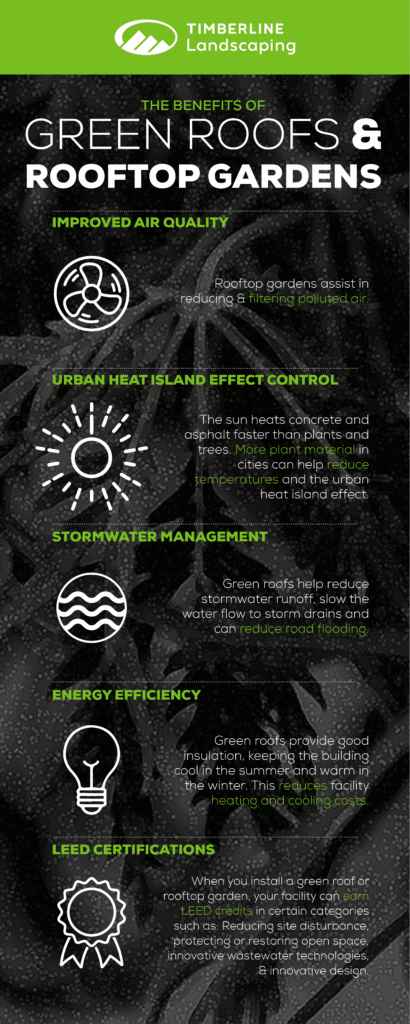
As architects and urban planners continue to seek innovative solutions to reduce the environmental impact of our buildings, one solution that has gained significant attention in recent years is the roof garden. Also known as green roofs or living roofs, these gardens on top of buildings offer a wide range of benefits, from energy efficiency to environmental sustainability.
What is a Roof Garden?
A roof garden is more than just a rooftop green space; it’s an opportunity for building owners and residents to create a thriving ecosystem that not only provides aesthetic value but also contributes to the overall health and well-being of the community. By incorporating plants, trees, and other vegetation into their design, roof gardens can help reduce energy consumption, improve air quality, and even provide insulation against extreme weather conditions.
History of Roof Gardens
The concept of roof gardens dates back thousands of years, with evidence of ancient civilizations such as the Egyptians, Greeks, and Romans using rooftops for agriculture and recreation. In modern times, the use of roof gardens has gained popularity in urban areas, where space is limited and environmental concerns are high.
Types of Roof Gardens
There are several types of roof gardens, each designed to suit specific needs and climates:
- Extensive Roofs: These roofs have minimal vegetation, consisting mainly of grasses or low-growing plants.
- Intensive Roofs: These roofs feature a wider variety of plants, including trees, shrubs, and flowers.
- Hybrid Roofs: These roofs combine elements of extensive and intensive gardens, with a mix of low-maintenance plants and larger vegetation.
Design Considerations
When designing a roof garden, several factors must be considered:
- Structural Integrity: The building’s waterproofing system and structural integrity must be able to support the weight of the plants and soil.
- Climate and Weather: The type of plants and design should take into account local climate conditions, wind direction, and sunlight exposure.
- Accessibility and Maintenance: Easy access for maintenance and care is essential, as well as consideration for residents or building staff.
- Budget: Establishing a budget and allocating resources effectively to ensure the success of the roof garden.
Benefits for Building Owners
So, what are the benefits for building owners? Firstly, a roof garden can significantly reduce energy consumption, which can lead to substantial savings on utility bills. Additionally, the presence of plants and trees on the rooftop can improve air quality, creating a healthier environment for residents. Furthermore, a well-designed roof garden can provide insulation against extreme weather conditions, such as heatwaves and cold snaps.
Another benefit is that a roof garden can increase the lifespan of the building’s waterproofing system. By providing an additional layer of protection from the elements, plants and trees on the rooftop can help prevent leaks and damage to the building’s structure.
Benefits for Environmental Sustainability
The benefits of a roof garden extend far beyond the building itself, with positive impacts on environmental sustainability. One key benefit is the reduction of greenhouse gas emissions, as green roofs absorb carbon dioxide and release oxygen. Additionally, the vegetation on the rooftop can help filter pollutants from the air, improving local air quality.
Another significant advantage is the potential for rainwater harvesting. By incorporating plants that absorb excess water into the roof garden design, building owners can collect up to 70-90% of rainfall, reducing stormwater runoff and alleviating pressure on local drainage systems.
Frequently Asked Questions
Here are some frequently asked questions about roof gardens:
- How do I get started with a roof garden?
Begin by assessing the structure and conditions of your building’s rooftop. Consider factors like sunlight, wind direction, and accessibility to determine the best plants for your design. - What types of plants work well on rooftops?
Choose plants that are drought-tolerant, low-maintenance, and suitable for urban environments. Some popular options include sedums, succulents, and groundcovers. - Can I use a roof garden to reduce energy consumption?
Yes! Green roofs can help reduce energy consumption by providing insulation against extreme weather conditions and reducing the need for heating and cooling systems. - How much does it cost to create a roof garden?
The cost of creating a roof garden varies depending on the size, complexity, and materials used. A small rooftop garden might cost around $70 per square foot, while larger designs could reach upwards of $200 per square foot. - Can I use my roof garden for recreational activities?
Yes! Many building owners choose to create public spaces or community gardens on their rooftops, providing residents with a unique opportunity for recreation and socialization.
Innovative Roof Garden Designs
Modern roof garden designs are pushing the boundaries of what is possible in terms of aesthetics and functionality. Some innovative designs include:
- Vertical Gardens: These gardens use trellises or other support systems to create lush, green walls that maximize space.
- Green Walls with Integrated Systems: These systems incorporate irrigation, lighting, and monitoring systems to optimize plant health and reduce maintenance needs.
- Roof Top Parks: These parks feature large areas of open space, often surrounded by gardens, seating areas, or other amenities.
Challenges and Limitations
While roof gardens offer numerous benefits, there are also challenges and limitations to consider:
- Weight and Structural Integrity: Heavy vegetation can put pressure on the building’s structure, requiring careful planning and design.
- Maintenance and Care: Regular maintenance is essential to ensure the health and longevity of plants in a rooftop garden.
- Weather Conditions: Harsh weather conditions, such as high winds or intense sunlight, may require additional structural support or protection.
Conclusion
In conclusion, roof gardens offer a wide range of benefits for energy efficiency, environmental sustainability, and even community engagement. By incorporating plants and trees into your building design, you can not only reduce your carbon footprint but also create a thriving ecosystem that enhances the overall health and well-being of your residents. Whether you’re an architect, urban planner, or building owner, considering the potential of roof gardens is essential for creating more sustainable, livable cities.


