
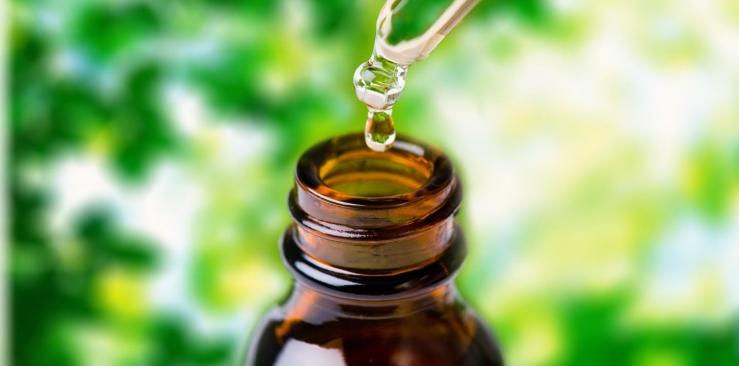
Tincture mother is one of the most widely used preparations in phytotherapy to treat various health problems. This natural remedy uses freshly harvested plants, which contain the maximum amount of active principles, making it a superior option compared to dried and processed herbs.
What is Tincture Mother?
In this article, we will delve into the world of tincture mother, exploring its preparation process, benefits, and importance in phytotherapy. We will also discuss how to calculate the ratio between plant and alcohol to ensure effective extraction of active principles.
Preparing Tincture Mother
To prepare a high-quality tincture mother, you need to follow these steps:
- Selecting the Plant: Choose fresh plants with maximum bioactivity, preferably at their peak balsamic period. This ensures that the plant contains the highest concentration of active compounds.
- Maceration: Cut and portion the plant material into 10 equal parts and mix it with a solvent (ethanol) in a sterile glass container. The ratio of plant to alcohol may vary depending on the type of plant used.
- Incubation Period: Allow the mixture to incubate for at least 21 days, shaking it every two or three days to facilitate optimal extraction.
Filtering and Squeezing
After the incubation period, filter the liquid through a cheesecloth into another container. Then, squeeze out as much liquid as possible from the plant material using two layers of clean cloth. Repeat this process if some liquid is still present in the container.
Storing Tincture Mother
To extend its shelf life and preserve quality, store tincture mother in dark glass containers and keep it away from direct sunlight for at least three to four years. This ensures that the active compounds remain intact and potent.
Determining Plant-to-Alcohol Ratio
To calculate the plant-to-alcohol ratio, you need to measure the weight of the dried plant material. After drying the plant using a low-temperature oven (40°C maximum), weigh it accurately. Then, use this value as the basis for calculating the desired ratio between plant and alcohol.
However, when mixing the solvent with water, consider that the fresh plant already contains some water content. Subtract this amount from the total to ensure you have the correct amount of water needed for the desired concentration.
Importance of Tincture Mother in Phytotherapy
Tinctures are one of the most effective ways to extract bioactive compounds from plants, making them a valuable tool in phytotherapy. By understanding how to prepare and use tincture mother effectively, you can unlock its full potential and reap its numerous health benefits.
FAQs
- What is the ideal ratio between plant material and alcohol for preparing tincture mother?
- The plant-to-alcohol ratio varies depending on the type of plant. Research specific guidelines for each plant species.
- How long does it take to prepare tincture mother, and what are the incubation requirements?
- Allow at least 21 days for maceration and shaking every two or three days during this period.
- Can I store tincture mother in a light-proof container if I don’t have dark glass bottles?
- While it’s possible to use light-proof containers, dark glass is recommended due to its ability to block ultraviolet rays that can degrade the active compounds.
Benefits of Tincture Mother
Tinctures prepared from fresh plant material contain higher concentrations of bioactive compounds compared to dried herbs. This makes them a valuable tool in phytotherapy for treating various health issues.
- Higher Bioavailability: The use of freshly harvested plants ensures that the tincture mother contains the maximum amount of active principles, making it more effective than dried and processed herbs.
- More Effective Treatment: Due to its high concentration of bioactive compounds, tinctures can be used in lower doses, resulting in less side effects compared to other treatments.
Types of Tincture Mother
There are various types of tincture mother available depending on the plant species used. Some popular options include:
- Calendula: Known for its anti-inflammatory and antimicrobial properties.
- Aloe Vera: Used for treating wounds, burns, and skin conditions.
- Ginger: A natural remedy for digestive issues and inflammation.
Precautions and Side Effects
While tincture mother is generally considered safe to use, there are some precautions and potential side effects to be aware of:
- Allergic Reactions: Some people may experience allergic reactions when using plant extracts. Monitor your body’s response and discontinue use if any adverse effects occur.
- Interactions with Medications: Tinctures can interact with certain medications, such as blood thinners. Consult a healthcare professional before using tincture mother.
Conclusion
Tincture mother is a powerful natural remedy with a wide range of applications in phytotherapy. By understanding how to prepare and use this preparation effectively, you can harness its potency and enjoy the benefits it has to offer. With its high concentration of bioactive compounds and numerous health benefits, tincture mother is an excellent addition to any herbal medicine cabinet.


