
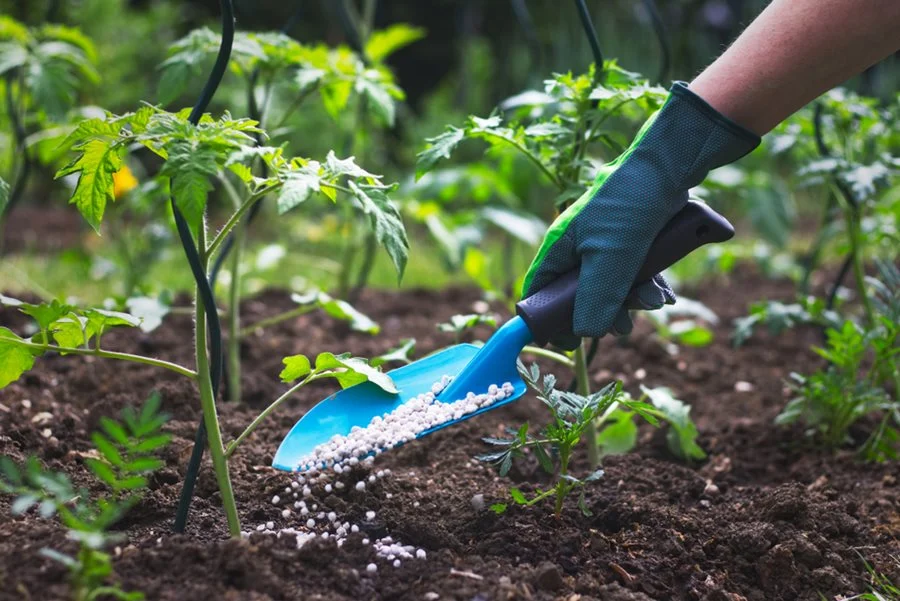
Fertilizing your garden is a crucial step in making it more productive. To ensure a bountiful harvest, you need to feed your soil with the right nutrients. Using natural fertilizers is a great way to avoid polluting your garden with harsh chemicals.
There are many types of fertilizers available, but if you don’t want to overwhelm your garden with synthetic substances, opt for natural fertilizers instead. These give the earth the necessary nutrients to grow healthy vegetables and fruits in a sustainable way. The best time to fertilize your soil is during the winter: till, fertilize, and let it rest until spring.
Getting Started
Before we dive into the process of fertilizing your garden, you’ll need some essential tools:
- Gloves
- Garden fork (vanga)
- Rake (rastrello)
- Axe (piccone)
- Shovel (pala)
- Natural fertilizer (concime)
The Fertilization Process
Here’s a step-by-step guide on how to fertilize your garden:
- Turn over the soil: Use the garden fork to turn over the soil, working your way down to a depth of at least 20 centimeters.
- Remove weeds and debris: Remove any weeds or debris that can compete with your plants for nutrients and space.
- Break up the soil: Use an axe to break up any clods or compacted soil.
- Add fertilizer: Sprinkle the natural fertilizer evenly over the soil, then use a rake to mix it in thoroughly.
- Let it settle: Allow the fertilizer to work its magic for at least two months before planting.
Choosing the Right Fertilizer
The best type of fertilizer for your garden depends on what you’re trying to achieve. Here are some popular options:
- Manure: This is a great option if you want to create nutrient-rich soil without breaking the bank.
- There are several types of manure available, including equine (horse), bovine (cow), and poultry manure.
- Manure is an excellent fertilizer for vegetables and fruits.
- Compost: This is a cost-effective alternative to manure that’s also good for the environment. You can create compost by mixing together food scraps, leaves, and other organic materials.
Timing is Everything
When it comes to fertilizing your garden, timing is crucial. Here are some guidelines to keep in mind:
- Spring: Fertilize in late February or early March to promote new growth.
- Fall: Fertilize in September to prepare the soil for next year’s harvest.
By following these tips and using natural fertilizers, you’ll be on your way to growing a healthy and thriving garden. Happy gardening!
Frequently Asked Questions
Here are some common questions people have about fertilizing their gardens:
- Q: How often should I fertilize my garden?
A: The frequency of fertilization depends on the type of fertilizer you’re using and what you’re trying to achieve. - Q: What is the best time to apply fertilizer?
A: The best time to apply fertilizer varies depending on the season, but generally, spring and fall are good times to fertilize your garden. - Q: Can I use synthetic fertilizers instead of natural ones?
A: While synthetic fertilizers can provide quick results, they can also pollute your environment and harm beneficial microorganisms in the soil. Natural fertilizers like manure and compost are a better choice for sustainable gardening. - Q: How long does it take for fertilizer to work?
A: The amount of time it takes for fertilizer to work depends on the type of fertilizer, the soil conditions, and the plants you’re growing. Generally, natural fertilizers can take several months to produce noticeable results. - Q: Can I use fertilizer on all types of plants?
A: While most types of plants benefit from fertilizer, some plants like succulents and cacti don’t require it. Always read the label and follow the instructions carefully before applying fertilizer to your garden. - Q: How much fertilizer should I apply?
A: The amount of fertilizer you need depends on the size of your garden, the type of soil, and the plants you’re growing. Generally, start with a small amount and adjust as needed based on plant growth and soil conditions. - Q: Can I reuse fertilizer from previous seasons?
A: While it’s tempting to reuse old fertilizer, it’s not always recommended. Fertilizer can break down over time and lose its effectiveness. Fresh fertilizer is usually more effective for best results. - Q: Are there any risks associated with using fertilizer?
A: Yes, there are some risks associated with using fertilizer. Overuse or misuse of fertilizers can lead to soil pollution, water contamination, and other environmental problems. Always follow the instructions carefully and take necessary precautions when handling fertilizer. - Q: Can I use fertilizer on indoor plants?
A: While some fertilizers can be used indoors, it’s generally best to stick with balanced, all-purpose fertilizers specifically designed for indoor plants.
By being aware of these common questions and concerns, you can make informed decisions about fertilizing your garden.


