
As a homeowner, you’re likely no stranger to the importance of temperature control in your home. But have you ever stopped to think about how easy it is to install a room thermostat? In this article, we’ll walk you through the process of setting up a room thermostat, including the different types available and how to choose the right one for your needs.
What’s the Purpose of a Room Thermostat?
A room thermostat allows you to control the temperature in specific rooms of your home. Unlike traditional thermostats, which only monitor temperature in a single area, room thermostats can be programmed to adjust temperatures based on various factors such as time of day, weather conditions, and even energy usage.
Room thermostats are designed to provide convenience and flexibility for homeowners who want to control the temperature in individual rooms. They offer a range of benefits, including:
- Energy efficiency: Room thermostats allow you to heat or cool only the room that needs it, reducing waste and saving you money on your energy bills.
- Comfort: With a room thermostat, you can set the perfect temperature for each room, ensuring that everyone in the household is comfortable.
- Convenience: Many modern room thermostats come with features such as remote access, voice control, and smartphone apps, making it easy to adjust temperatures from anywhere.
How Does a Room Thermostat Work?
With a room thermostat, you can control the heating and cooling systems in your home from anywhere using your smartphone. You can also receive notifications when your energy usage is up or down, helping you stay on top of your energy consumption. Additionally, many modern thermostats can be integrated with other smart home devices to create a seamless and efficient system.
Room thermostats typically consist of three main components:
- The thermostat unit itself: This is the device that controls the temperature in the room.
- The heating and cooling systems: These are connected to the thermostat and allow you to heat or cool the room as needed.
- The control panel: This allows you to adjust temperatures, set schedules, and monitor energy usage.
Types of Room Thermostats
There are several types of room thermostats available, including:
- Wall-mounted thermostats: These are installed directly onto the wall and come in a variety of styles.
- Desk-mounted thermostats: These are placed on a desk or table and provide easy access to temperature controls.
- Smart thermostats: These use advanced technology such as Wi-Fi, Bluetooth, or Zigbee to connect to your smartphone or other devices.
- Programmable thermostats: These allow you to set schedules and preferences for the thermostat.
How to Install a Room Thermostat
Installing a room thermostat is relatively straightforward, requiring minimal tools and expertise. Here’s a step-by-step guide:
- Turn off the power supply: Make sure to switch off the heating or cooling system before starting the installation process.
- Remove the old thermostat: Carefully remove the old thermostat from its mounting bracket, taking note of any wires that need to be disconnected.
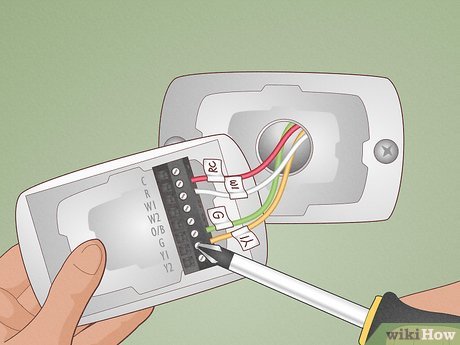
- Identify and label the wires: Verify which wires are connected to the heating and cooling systems and label them accordingly.
- Connect the new thermostat: Connect the new thermostat to the heating and cooling system, ensuring all wires are securely attached.
- Mount the thermostat: Mount the thermostat to the wall or a desk, following the manufacturer’s instructions.
Additional Tips
- Make sure to follow all safety guidelines when working with electrical systems.
- Consider investing in a smart thermostat for enhanced energy efficiency and convenience.
- Regularly clean and maintain your thermostat to ensure optimal performance.
Frequently Asked Questions (FAQs)
- Q: What is the best type of room thermostat for my needs?
A: The best type of room thermostat depends on your specific needs, such as budget, style, and desired features. - Q: How do I program a room thermostat?
A: Programming a room thermostat typically involves setting temperature ranges, adjusting fan settings, and configuring notifications. - Q: Can I control my room thermostat remotely?
A: Yes, many modern thermostats can be controlled remotely using a smartphone app or voice assistant. - Q: What is the average cost of a room thermostat?
A: The cost of a room thermostat varies depending on the type and features, ranging from under $50 to over $200. - Q: How often should I clean my thermostat?
A: It’s recommended to clean your thermostat every 6-12 months to ensure optimal performance and prevent dust buildup. - Q: Can I install a room thermostat myself?
A: While it’s possible to install a room thermostat yourself, it’s highly recommended to consult a professional if you’re unsure about any aspect of the process. - Q: What are some common issues with room thermostats?
A: Common issues with room thermostats include faulty wiring, incorrect programming, and clogged air filters.
Choosing the Right Room Thermostat for Your Needs
With so many different types of room thermostats available, choosing the right one can be overwhelming. Here are some factors to consider when selecting a room thermostat:
- Budget: Consider how much you’re willing to spend on your room thermostat.
- Size and layout: Think about the size of your room and the location where you plan to install the thermostat.
- Features: Consider what features you need, such as remote access or voice control.
- Energy efficiency: Look for thermostats with high energy efficiency ratings to save money on your energy bills.
Tips for Maximizing Energy Efficiency
To get the most out of your room thermostat, consider these tips:
- Adjust the temperature: Adjusting the temperature by just 1-2 degrees can make a big difference in energy consumption.
- Use passive heating and cooling: Open curtains or blinds to let sunlight warm your home during the day, and close them at night to retain heat.
- Use timers: Set timers for your thermostat to turn off when you’re not home or when you’re sleeping to save energy.
- Regularly clean filters: Regularly cleaning your air filters can help improve efficiency and reduce waste.
Conclusion
Setting up a room thermostat is a simple process that can make a big difference in your comfort, convenience, and energy efficiency. By understanding the different types of room thermostats available and how to choose the right one for your needs, you can start enjoying the benefits of temperature control today. Remember to follow safety guidelines, regularly clean and maintain your thermostat, and consider investing in smart features for enhanced performance.


