
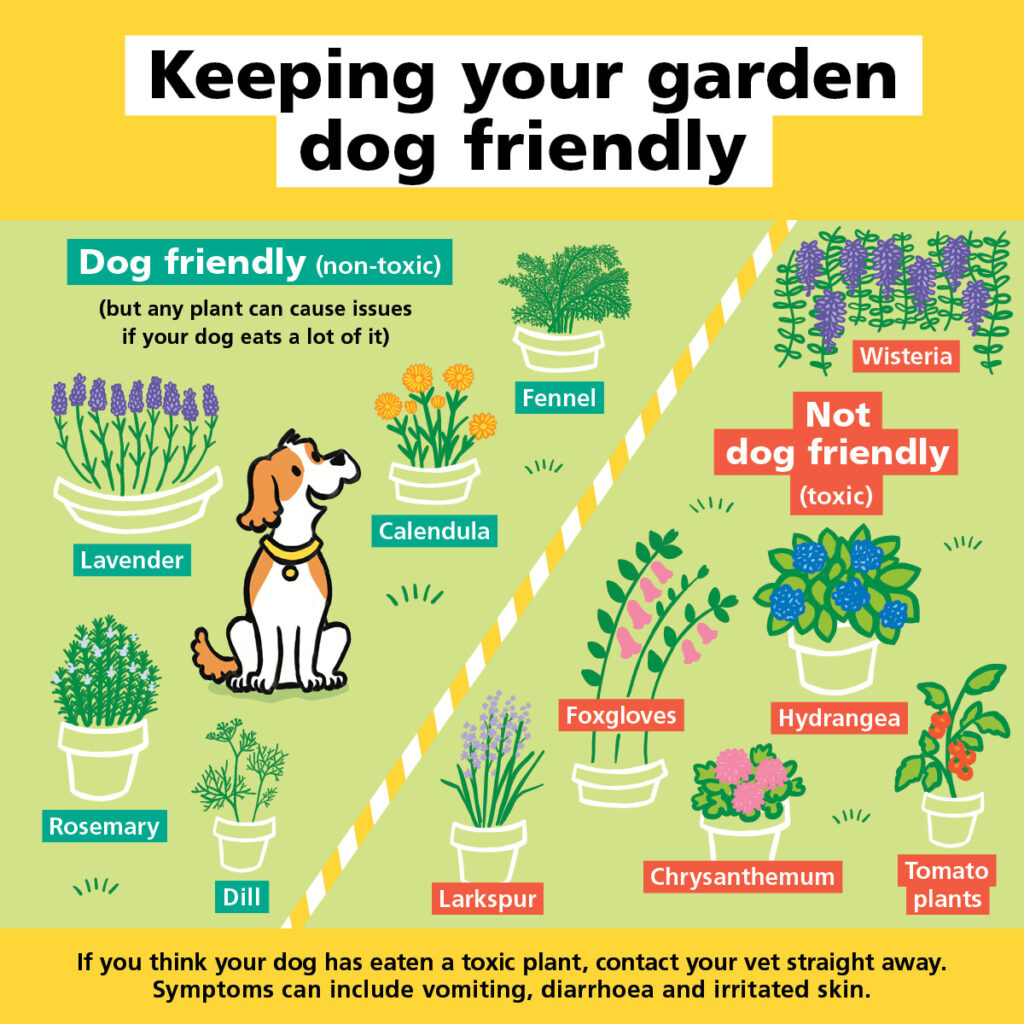
As a dog owner, you want to ensure your furry friend is happy and safe. One of the most important considerations is providing adequate exercise and stimulation for your dog, especially during the winter months when they may be more inclined to get bored or destructive.
In this article, we’ll explore some essential tips and tricks for keeping your dog safe in the garden, including how to prevent boredom, protect against predators, and maintain a healthy relationship between you and your canine companion.
Understanding Canine Behavior
Before we dive into the practical advice, it’s essential to understand canine behavior. Dogs are social animals that thrive on interaction and attention from their human family members. When left alone for extended periods, they may exhibit undesirable behaviors such as barking, digging, or even aggression towards other pets or people.
To prevent these issues, it’s crucial to provide your dog with adequate exercise, mental stimulation, and attention. This can be achieved by spending quality time with your dog, engaging in activities like walks, playtime, and training exercises.
The Benefits of Dog Exercise
Regular exercise is essential for maintaining a healthy and happy dog. Not only does it improve their physical health but also reduces stress and boredom. Here are some benefits of providing your dog with regular exercise:
- Reduces stress and anxiety
- Improves mental clarity and focus
- Enhances overall physical health
- Strengthens the bond between you and your dog
Creating a Safe and Stimulating Garden Environment
To ensure your dog is safe and stimulated in the garden, consider the following tips:
- Create a designated exercise area: Designate a specific area of the garden for your dog to exercise and play.
- Provide adequate shelter: Ensure your dog has access to a warm and dry shelter or canopy to protect them from the elements.
- Supervise closely: Always supervise your dog when they’re in the garden, especially during peak exercise periods.
Preventing Predators and Destructive Behavior
To prevent predators and destructive behavior, consider the following tips:
- Fence your garden: Install a sturdy fence to prevent unwanted visitors from entering the garden.
- Use deterrents: Use humane deterrents such as sprays or granules to discourage predators from entering the garden.
- Provide mental stimulation: Engage your dog’s mind with puzzle toys, scent games, and other mentally stimulating activities.
Additional Tips for a Safe and Happy Dog
In addition to providing exercise, shelter, supervision, and mental stimulation, consider the following tips to ensure your dog is safe and happy in the garden:
- Provide adequate hydration: Ensure your dog has access to fresh water at all times.
- Monitor the weather: Keep an eye on the weather forecast and take necessary precautions to protect your dog from extreme temperatures or precipitation.
- Clean up after your dog: Regularly clean up after your dog to prevent the spread of diseases and parasites.
Conclusion
Keeping your dog safe in the garden requires careful consideration of their needs, behavior, and environment. By providing adequate exercise, shelter, supervision, and mental stimulation, you can create a happy and healthy space for your furry friend to thrive.
Here are some frequently asked questions that address common concerns:
- How often should I exercise my dog?
The frequency of exercise depends on the individual dog’s age, breed, size, and health. Generally, dogs require at least 30 minutes of exercise per day. - What is the best way to prevent boredom in my dog?
Provide mental stimulation through puzzle toys, scent games, and other activities that challenge your dog’s mind. - How can I protect my dog from predators?
Install a sturdy fence, use humane deterrents, and supervise closely during peak exercise periods.
By following these tips and being mindful of your dog’s needs, you can create a safe and stimulating garden environment that benefits both you and your furry companion.


