
As we navigate the vast world of cosmetics, it’s easy to get lost in a sea of confusing labels and ingredients. One type of product that stands out is natural cosmetics, also known as organic skincare. But what exactly sets these products apart? In this article, we’ll delve into the world of natural cosmeti, exploring their composition, certifications, benefits, and more.
What are Natural Cosmetics?
Natural cosmeti are products made from natural ingredients, such as plant extracts, floral waters, vegetable oils, and essential oils. These ingredients have been shown to be effective in nourishing and protecting the skin, while also being gentle and non-irritating.
One of the key benefits of natural cosmeti is their ability to penetrate deeply into the skin, thanks to the small size of their molecules. This allows them to target specific skin concerns, such as fine lines and wrinkles, or hyperpigmentation.
The Difference between “Natural” and “Organic”
It’s worth noting that not all products labeled as “natural” are necessarily organic. While both terms refer to the use of natural ingredients, the key difference lies in the level of regulation and certification.
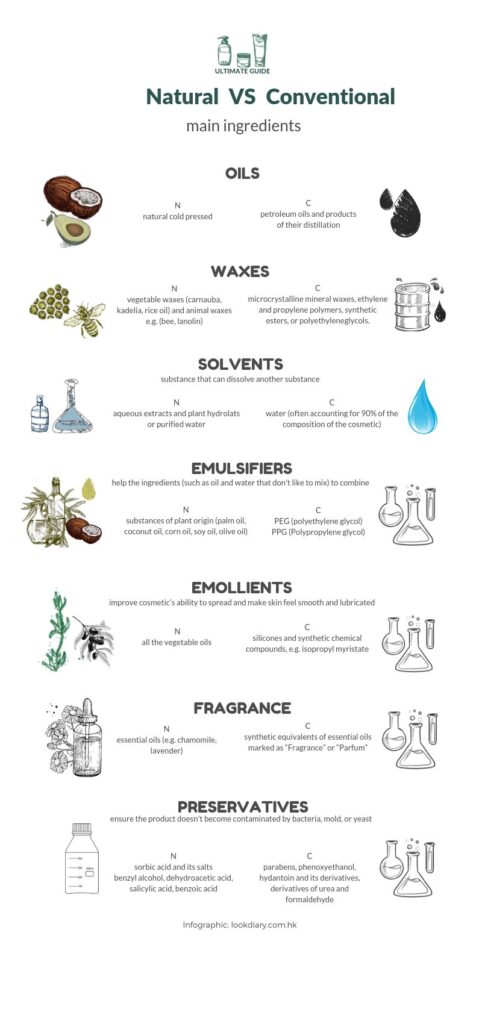
In contrast to conventional cosmetics, which may contain synthetic colorants and preservatives, natural cosmeti are 100% natural. This means they don’t contain any harsh chemicals that can be detrimental to our health or the environment.
Certification: The Key to Authenticity
To ensure that a product is truly organic, it must meet strict standards set by regulatory bodies. In Europe, this means compliance with the European Union’s (EU) Organic Regulation 834/2007.
This regulation sets out clear guidelines for the production of organic products, including:
- The use of certified organic ingredients
- Strict controls on the sourcing and processing of materials
- Transparency in labeling and documentation
When shopping for natural cosmeti, look for certifications such as the EU’s “Organic” label or the USDA’s (United States Department of Agriculture) “USDA Organic” label.
The Benefits of Natural Cosmetics
So what makes natural cosmeti so special? Here are just a few benefits:
- Sustainability: By choosing natural cosmeti, you’re supporting sustainable practices and reducing your impact on the environment.
- Health: Natural ingredients are gentle on the skin and don’t contain harsh chemicals that can cause irritation or allergic reactions.
- Effectiveness: Many natural cosmeti have been shown to be just as effective as their conventional counterparts.
How to Read Labels: A Guide
Reading labels can seem daunting, but with a little practice, you’ll become a pro in no time. Here are some tips to help you decipher even the most confusing labels:
- Look for certifications: Check for certifications like “Organic” or “USDA Organic”.
- Check the ingredients: Make sure the product is made from natural ingredients that align with your values.
- Be aware of additives: Some products may contain synthetic fragrances or dyes, so be sure to read the ingredient list carefully.
The Role of Essential Oils
Essential oils are a key component of many natural cosmeti products. These concentrated plant extracts have been used for centuries in traditional medicine and skincare routines.
Some popular essential oils include:
- Tea tree oil
- Lavender oil
- Chamomile oil
- Geranium oil
These oils can be used individually or blended together to create unique skincare recipes.
The Importance of Natural Moisturizers
Natural moisturizers are an essential part of any skincare routine. They help to hydrate and nourish the skin, leaving it feeling soft and supple.
Some popular natural moisturizers include:
- Coconut oil
- Olive oil
- Jojoba oil
- Shea butter
These ingredients can be used alone or combined with other natural oils to create a customized skincare routine.
Conclusion
Natural cosmeti are more than just a trend – they’re a way of life. By choosing sustainable, effective, and gentle skincare products, you’re not only taking care of your skin but also the planet.
So next time you’re shopping for cosmetics, remember: natural is not just a label, it’s a lifestyle.
Frequently Asked Questions
Here are some answers to common questions about natural cosmeti:
Q: What is the difference between “natural” and “organic”?
A: Natural refers to the use of natural ingredients, while organic refers to products that meet strict standards set by regulatory bodies.
Q: How do I know if a product is truly organic?
A: Look for certifications like the EU’s “Organic” label or the USDA’s “USDA Organic” label.
Q: Are natural cosmeti more expensive than conventional products?
A: While some natural products may be pricier, many are comparable in price to conventional alternatives.
Q: Can I use natural cosmeti if I have sensitive skin?
A: Absolutely! Natural ingredients are often gentler on the skin and can be a great option for those with sensitive skin.
Q: How do I care for my natural cosmetics products?
A: Store them in a cool, dry place, and follow the instructions for use to ensure longevity.
Q: Can I mix natural cosmeti products?
A: Yes! Many natural products are compatible with each other, but always read the ingredient list carefully before combining different products.
Q: Are natural cosmeti suitable for children?
A: While many natural products are safe for children, be sure to check the ingredients and certifications to ensure they meet your standards.
Q: Can I return or exchange a natural cosmetics product if I don’t like it?
A: It depends on the retailer’s policies, but many companies offer refunds or exchanges for unsatisfactory products.


