
Are you familiar with omega-3 and omega-6, two essential fatty acids that play a crucial role in maintaining our overall health? But have you ever wondered what they are, where to find them, and how they can benefit your body?
In this article, we’ll delve into the world of omega-3 and omega-6, exploring their characteristics, benefits, and sources. We’ll also discuss the importance of balancing these two fatty acids in our diet and examine some common misconceptions about their role in maintaining optimal health.
What are Omega-3 and Omega-6?
Omega-3 and omega-6 are two types of polyunsaturated fatty acids (PUFAs) that are essential for human nutrition. They are called “essential” because our bodies cannot produce them on its own, so we must obtain them through our diet.
The names “omega-3” and “omega-6” refer to the position of the first double bond in each fatty acid’s molecular structure. Omega-3 has a single double bond at the third carbon atom from the end (C3), while omega-6 has a single double bond at the sixth carbon atom from the end (C6).
Sources of Omega-3 and Omega-6
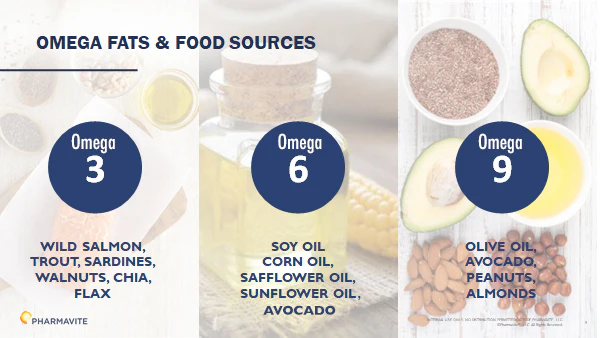
Omega-3 fatty acids can be found in small amounts in various foods, including:
- Fatty fish (salmon, sardines, mackerel)
- Krill
- Algae
These foods are rich in EPA (eicosapentaenoic acid) and DHA (docosahexaenoic acid), two types of omega-3 fatty acids that have been extensively researched for their health benefits.
On the other hand, omega-6 fatty acids are abundant in many plant-based foods, such as:
- Vegetable oils (soybean, corn, sunflower)
- Seeds and nuts (pumpkin seeds, sesame seeds, almonds)
- Legumes (lentils, chickpeas)
These foods are rich in linoleic acid (LA), an omega-6 fatty acid that serves as a precursor to other essential fatty acids.
The Importance of Balance
While both omega-3 and omega-6 are essential fatty acids, there is a recommended ratio between the two. The ideal ratio is around 4:1 or 8:1, meaning that for every four parts of omega-6, there should be one part of omega-3.
Consuming an imbalance of these fatty acids can lead to various health problems, including:
- Cardiovascular disease: Excessive consumption of omega-6 fatty acids has been linked to increased risk of cardiovascular disease.
- Inflammation: An imbalance of omega-3 and omega-6 fatty acids can lead to chronic inflammation in the body.
- Insulin resistance: Consuming too much omega-6 fatty acid can contribute to insulin resistance, a precursor to type 2 diabetes.
Integrators and Supplements
If you’re having trouble getting enough omega-3 and omega-6 through your diet alone, consider incorporating integrators or supplements into your routine. However, it’s essential to consult with a healthcare professional before adding any new supplements to your regimen.
Common forms of omega-3 and omega-6 supplements include:
- Fish oil capsules
- Krill oil capsules
- Algal oil capsules
Benefits of Omega-3 and Omega-6
Both omega-3 and omega-6 have numerous health benefits, including:
- Cardiovascular health: Omega-3 fatty acids help lower triglycerides and improve blood lipid profiles.
- Anti-inflammatory effects: Both omega-3 and omega-6 have anti-inflammatory properties, which can help reduce inflammation in the body.
- Improved brain function: Omega-3 fatty acids support brain health and may even help alleviate symptoms of depression.
- Eye health: Omega-3 fatty acids, particularly DHA, are essential for eye health and may reduce the risk of age-related macular degeneration.
- Immune system function: Omega-6 fatty acids, particularly LA, play a crucial role in immune system function and may help reduce the severity of illnesses such as the common cold.
Omega 9: The Third Player
While often overlooked, omega-9 is another essential fatty acid that plays a vital role in maintaining optimal health. It’s found in various foods, including:
- Avocado oil
- Olive oil
- Walnut oil
Omega-9 helps lower cholesterol levels and can even aid in weight management.
Conclusion
In conclusion, understanding the importance of omega-3 and omega-6 fatty acids is crucial for maintaining overall health. By balancing these two essential fatty acids in our diet, we can reduce the risk of various health problems and support optimal function.
Frequently Asked Questions (FAQs)
- Q: What is the recommended daily intake of omega-3 and omega-6?
A: The recommended daily intake varies depending on individual needs and circumstances. Consult with a healthcare professional for personalized guidance. - Q: Can I get enough omega-3 and omega-6 through plant-based sources only?
A: While it’s possible, a well-balanced diet that includes both animal and plant-based sources is ideal for meeting your essential fatty acid needs. - Q: Are all supplements created equal when it comes to omega-3 and omega-6?
A: No, not all supplements are created equal. Look for high-quality products from reputable manufacturers to ensure you’re getting the best possible results. - Q: Can I take too much omega-3 or omega-6?
A: Yes, excessive intake can lead to adverse effects such as digestive issues and blood clotting problems. Consult with a healthcare professional before taking any supplements. - Q: How often should I consume omega-3 and omega-6-rich foods?
A: Aim to include sources of omega-3 and omega-6 in your diet at least 2-3 times per week, or as recommended by a healthcare professional. - Q: Can omega-3 and omega-6 help with weight loss?
A: While both fatty acids support overall health, there is limited evidence to suggest they directly aid in weight loss. A balanced diet and regular exercise are still the best ways to achieve and maintain a healthy weight. - Q: Are all types of fish high in mercury and omega-3?
A: No, not all types of fish are high in mercury or omega-3. Look for low-mercury options like salmon, sardines, and mackerel. - Q: Can I take omega-3 and omega-6 supplements during pregnancy?
A: Pregnant women should consult with their healthcare provider before taking any supplements to ensure they’re safe and effective.
Additional Considerations
In addition to understanding the importance of omega-3 and omega-6, it’s essential to consider other factors that can impact your overall health, including:
- Saturated fat intake: Consuming high amounts of saturated fat can increase cholesterol levels and contribute to cardiovascular disease.
- Trans fat intake: Trans fats, commonly found in processed foods, can also raise cholesterol levels and increase the risk of cardiovascular disease.
- Fiber intake: Adequate fiber consumption is essential for maintaining healthy blood sugar levels and supporting digestive health.
By incorporating a balanced diet rich in omega-3 and omega-6 fatty acids, along with other essential nutrients, you can support optimal health and reduce your risk of chronic diseases.


