
Introduction
Perfluoroalkyl substances (PFAS) are a group of synthetic chemicals that have been widely used in various industries, including textiles, paper production, cookware, and more. However, the use of PFAS has raised concerns about their potential health impacts and environmental persistence. In this article, we will explore what PFAS are, where they come from, and why they should be a concern for public health.
What Are PFAS?
PFAS refer to a class of chemicals known as perfluoroalkyl and polyfluoroalkyl substances. These substances are characterized by a “chain-like” structure with fluorine atoms bonded to carbon atoms. In practical terms, PFAS are strong acids that can dissolve in water and have been used in various industrial applications.
Industrial Uses of PFAS
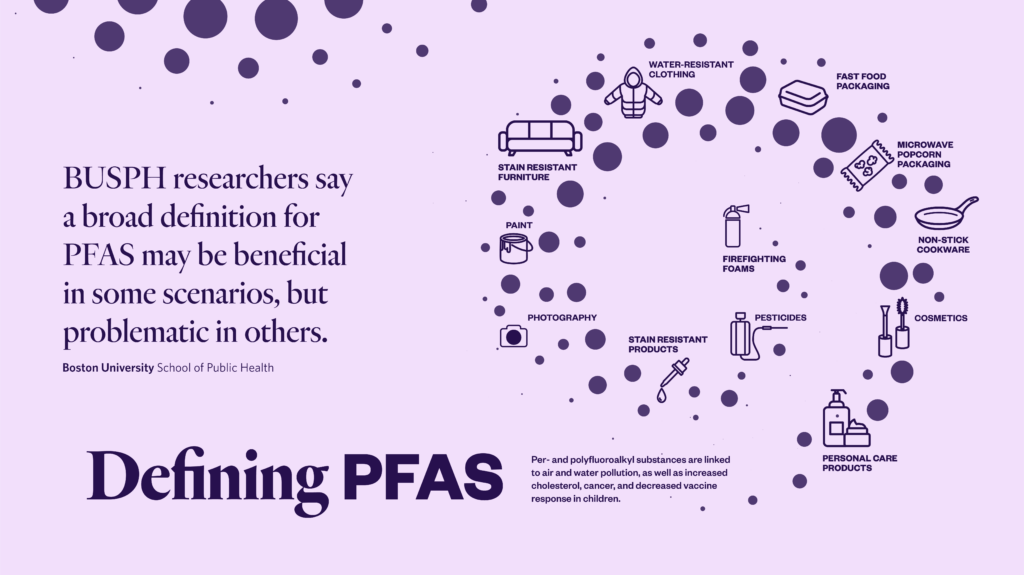
PFAS have been widely used in several industries, including textiles, paper production, cookware, and more. For example:
- Textiles: PFAS are used to make fabrics waterproof and stain-resistant.
- Paper Production: PFAS are used to treat paper products, such as cardboard and packaging materials.
- Cookware: PFAS are used to make non-stick coatings for cookware, such as pans and pots.
PFOA and PFOS: Two Common Types of PFAS
Two types of PFAS that have been particularly problematic are PFOA (perfluorooctanoic acid) and PFOS (perfluorooctane sulfonate). These substances have been linked to various health problems, including cancer and reproductive issues.
- PFOA: PFOA is used in the production of non-stick coatings for cookware. However, it has been shown to persist in the environment and can cause harm to human health.
- PFOS: PFOS is used as a fire retardant in various applications, including textiles and paper products. However, it has been linked to cancer and reproductive issues.
Health Risks of PFAS
PFAS have been linked to several health problems, including:
- Cancer: Some studies have shown that long-term exposure to PFAS can increase the risk of certain types of cancer.
- Reproductive Issues: PFAS have been linked to reproductive problems, including infertility and birth defects.
- Neurological Problems: Some studies have suggested that PFAS may cause neurological problems, such as attention deficit hyperactivity disorder (ADHD) and learning disabilities.
Environmental Persistence of PFAS
PFAS are persistent in the environment, meaning they do not break down easily. This can lead to contamination of soil, water, and air, which can pose a risk to human health.
- Soil Contamination: PFAS can contaminate soil through industrial activities or improper disposal.
- Water Contamination: PFAS can contaminate water sources through agricultural runoff or industrial spills.
- Air Contamination: PFAS can contaminate air through industrial emissions or wildfires.
Prevention and Mitigation Strategies
To mitigate the risks associated with PFAS, several strategies have been proposed:
- Limiting Industrial Use: Limiting the use of PFAS in various industries could help reduce their environmental persistence.
- Proper Disposal: Proper disposal of products containing PFAS can help prevent contamination of soil, water, and air.
- Monitoring and Testing: Regular monitoring and testing of PFAS in the environment can help identify areas where they are present and take action to mitigate their impact.
Regulation and Policy
Several governments and regulatory agencies have taken steps to address the issue of PFAS:
- US EPA: The US Environmental Protection Agency (EPA) has set a non-enforceable health advisory level for PFAS in drinking water.
- EU Regulations: The European Union has established strict regulations on the use and disposal of PFAS.
- State and Local Policies: Some states and local governments have implemented their own policies to regulate PFAS.
Conclusion
PFAS are a group of synthetic chemicals that have been widely used in various industries. However, their potential health impacts and environmental persistence have raised concerns about their use. By understanding what PFAS are, where they come from, and why they should be a concern, we can take steps to mitigate their impact on human health and the environment.
Frequently Asked Questions
- What is the most common type of PFAS used in industry?
- The most common type of PFAS used in industry is PFOA (perfluorooctanoic acid).
- Can PFAS be found in food and water?
- Yes, PFAS can be found in some foods and drinking waters.
- How long does it take for PFAS to break down in the environment?
- PFAS do not break down easily in the environment. They can persist for hundreds of years.
- Can PFAS cause cancer?
- Some studies have shown that long-term exposure to PFAS may increase the risk of certain types of cancer.
- How can I protect myself from PFAS exposure?
- To minimize your exposure to PFAS, choose products with safer alternatives and follow proper disposal procedures for products containing PFAS.
By understanding more about PFAS, we can make informed decisions about our use of these substances and take steps to mitigate their impact on human health and the environment.


