
Introduction
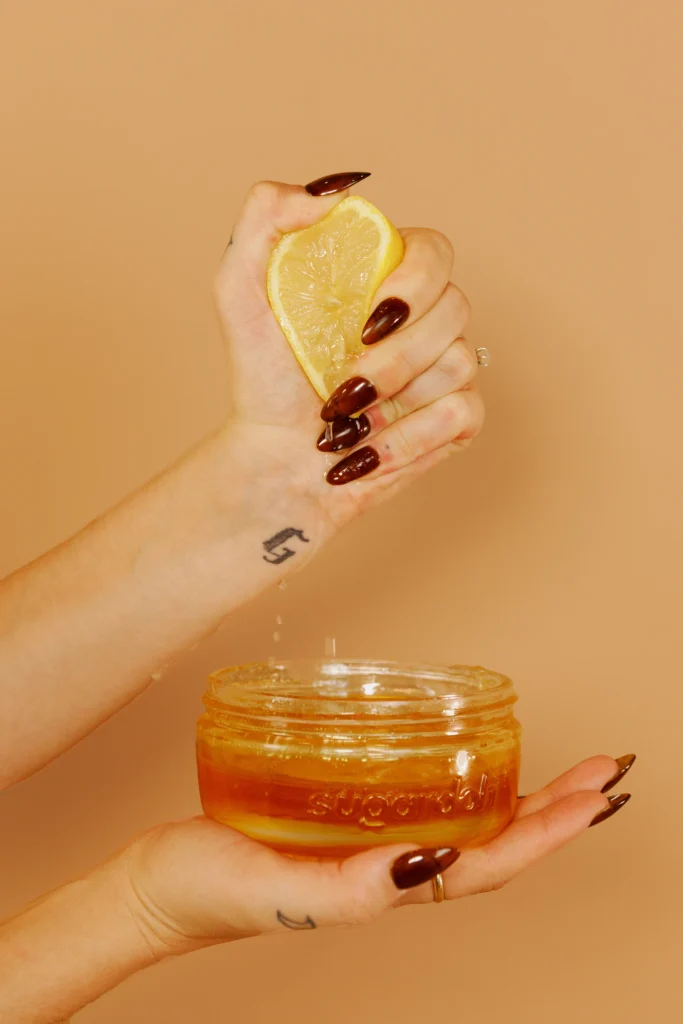
When it comes to natural hair removal methods, one popular technique is sugar waxing. This method uses a combination of sugar, honey, and lemon juice to create a natural and effective hair removal solution. In this article, we’ll explore the benefits of using sugar waxing with honey, sugar, and lemon, as well as provide a step-by-step guide on how to do it yourself.
Sugar waxing is a popular alternative to traditional hair removal methods because it’s natural, gentle, and effective. The combination of sugar, honey, and lemon juice creates a paste that dissolves the hair at the root, making it easy to remove with minimal discomfort. This method has been used for centuries in various parts of the world, particularly in Africa and Asia, where it was considered an essential part of traditional beauty routines.
The Benefits of Sugar Waxing
Sugar waxing is a popular alternative to traditional hair removal methods because it’s natural, gentle, and effective. The combination of sugar, honey, and lemon juice creates a paste that dissolves the hair at the root, making it easy to remove with minimal discomfort.
One of the most significant benefits of sugar waxing is its ability to remove hair from the root, rather than just cutting or shaving it off. This means that hair will grow back slower and be less noticeable, providing a smoother appearance for an extended period.
Another benefit of sugar waxing is its natural and gentle nature. Unlike traditional hair removal methods like tweezing, waxing, or threading, which can cause redness, irritation, and ingrown hairs, sugar waxing is a soothing and relaxing experience.
Honey is particularly beneficial for skin health, as it has antibacterial properties that can help soothe and calm irritated skin. Honey also has moisturizing properties that can leave your skin feeling soft and smooth after the sugar waxing process.
Sugar, on the other hand, provides an exfoliating effect that can help remove dead skin cells and smooth out rough patches of skin. The combination of sugar, honey, and lemon juice creates a paste that not only removes hair but also exfoliates and nourishes your skin.
The Science Behind Sugar Waxing
When you apply the sugar wax paste to your skin, the sugar molecules break down the keratin bonds in the hair shaft, allowing it to be easily removed. The lemon juice adds a slight abrasive quality to the mixture, which helps remove dead skin cells and smooth out rough patches of skin.
The process of sugar waxing involves creating a chemical reaction between the sugar and the hair shaft. This reaction causes the hair to break down at the root, making it easy to remove with minimal discomfort.
How to Make Sugar Wax with Honey, Sugar, and Lemon
To make your own sugar wax at home, you’ll need the following ingredients:
- 1/2 cup granulated sugar
- 2 tablespoons honey
- 2 tablespoons lemon juice
Combine all three ingredients in a small saucepan and heat over low heat, stirring constantly, until the mixture reaches a temperature of around 240°F. Remove from heat and let cool.
Step-by-Step Guide to Sugar Waxing
To use your homemade sugar wax, follow these steps:
-
Prepare Your Skin: Before applying the sugar wax, make sure your skin is clean and dry. Exfoliate your skin with a gentle exfoliating scrub or a sugar scrub to remove dead skin cells.
-
Apply the Sugar Wax Paste: Using a spatula, apply a thin layer of the sugar wax paste to the area you want to remove hair from. Make sure to cover all areas evenly.
-
Wait for the Wax to Cool and Harden: Allow the wax to cool and harden completely before applying it to your skin. This can take anywhere from 10-30 minutes, depending on the temperature of your workspace.
-
Apply the Sugar Wax Paste Again: Once the wax has cooled and hardened, apply another thin layer of sugar wax paste over the first layer. Repeat this process until you’ve reached the desired thickness for the wax to remove hair effectively.
-
Remove the Hair with a Cloth or Paper Towel: Using a cloth or paper towel, wipe away the sugar wax and hair in one direction only (never against the grain). Rinse your skin with warm water to remove any remaining residue.
Tips and Precautions
- Always do a patch test before applying the sugar wax paste to ensure you don’t have any sensitivity or allergic reactions.
- Use a gentle exfoliating scrub or sugar scrub to prepare your skin before applying the sugar wax paste.
- Avoid using the sugar wax on broken or irritated skin, as it can cause further irritation and discomfort.
- Be careful not to remove too much hair at once, as this can cause redness and irritation.
FAQs
Q: Is sugar waxing suitable for sensitive skin?
A: While sugar waxing is generally gentle on most skin types, it’s not recommended for extremely sensitive skin. Always do a patch test before applying the sugar wax paste to ensure you don’t have any sensitivity or allergic reactions.
Q: Can I use sugar wax on my eyebrows and upper lip?
A: Yes! Sugar waxing can be used on these areas of the face as well, but be extra careful when removing hair from these sensitive areas.
Q: How often should I do sugar waxing?
A: Depending on your hair growth rate, you may need to do sugar waxing every 2-4 weeks to maintain smooth skin and prevent unwanted regrowth.
Q: Can I use sugar wax with other natural ingredients?
A: Yes! Feel free to experiment with different natural ingredients like cinnamon, turmeric, or coffee grounds to create a unique blend for your sugar wax paste.
Common Mistakes to Avoid
When doing sugar waxing at home, there are several common mistakes that can lead to discomfort and irritation. Here are some of the most common mistakes to avoid:
- Not doing a patch test: Always do a patch test before applying the sugar wax paste to ensure you don’t have any sensitivity or allergic reactions.
- Applying too much wax: Using too much sugar wax paste can cause redness, irritation, and ingrown hairs. Apply only enough to cover the area you want to remove hair from.
Sugar Waxing with Honey for Sensitive Skin
For sensitive skin, it’s essential to use a sugar wax that is gentle and soothing. To create a sugar wax specifically for sensitive skin, try adding some of the following ingredients:
- 1 tablespoon of honey
- 1 tablespoon of olive oil
- 1 teaspoon of lemon juice
These ingredients are all natural and gentle on the skin, making them perfect for those with sensitive skin.
Sugar Waxing for Acne-Prone Skin
For acne-prone skin, it’s essential to use a sugar wax that is non-comedogenic and won’t clog pores. To create a sugar wax specifically for acne-prone skin, try adding some of the following ingredients:
- 1 tablespoon of tea tree oil
- 1 tablespoon of chamomile oil
- 1 teaspoon of lemon juice
These ingredients are all natural and gentle on the skin, making them perfect for those with acne-prone skin.
Conclusion
Sugar waxing is a popular alternative to traditional hair removal methods because it’s natural, gentle, and effective. The combination of sugar, honey, and lemon juice creates a paste that dissolves the hair at the root, making it easy to remove with minimal discomfort. By following this guide, you can create your own sugar wax at home and enjoy smooth, silky skin for an extended period.
Remember to always do a patch test before applying the sugar wax paste to ensure you don’t have any sensitivity or allergic reactions. Use a gentle exfoliating scrub or sugar scrub to prepare your skin before applying the sugar wax paste, and avoid using it on broken or irritated skin.
With these tips and precautions in mind, you can enjoy the benefits of sugar waxing and achieve smooth, silky skin for an extended period.


