
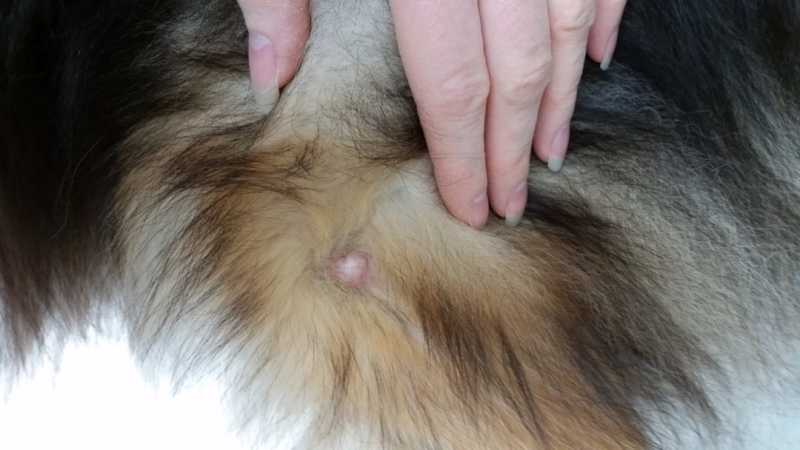
As a responsible dog owner, it’s essential to be aware of the possible health issues that may affect your furry friend. One such condition is mast cell tumors (MCTs) in dogs, which are a type of skin cancer that can cause significant discomfort and even life-threatening complications if left untreated.
What are Mast Cell Tumors?
Mast cell tumors are a type of sarcoma, a rare form of cancer that originates from mast cells. These cells are responsible for regulating the immune system and play a crucial role in the body’s response to allergic reactions. When these cells become malignant, they can lead to the formation of tumors.
Causes of Mast Cell Tumors
The exact causes of MCTs are still not fully understood, but several factors contribute to their development:
- Genetics: Some breeds, such as Boxers and Bull Terriers, are more prone to developing MCTs due to genetic predisposition.
- Age: MCTs can occur at any age, but they are more common in dogs between 5-15 years old.
- Sun exposure: Dogs that spend a lot of time outdoors, especially in sun-exposed areas, may be more susceptible to developing MCTs.
Symptoms of Mast Cell Tumors
The symptoms of MCTs can vary depending on the size and location of the tumor. Common signs include:
- Nodules or ulcers: MCTs often present as firm, painless nodules or ulcers on the skin.
- Edema and swelling: The tumor can cause edema (swelling) and inflammation in the surrounding tissue.
- Skin discoloration: Some dogs may experience skin discoloration, such as redness or yellowing, around the affected area.
Types of Mast Cell Tumors
MCTs are classified into three main types based on their aggressiveness:
- Grade 1 (benign): These tumors have a low potential for metastasis and can often be removed surgically.
- Grade 2 (moderate): These tumors have a moderate potential for metastasis and may require additional treatments, such as chemotherapy or radiation therapy.
- Grade 3 (aggressive): These tumors have a high potential for metastasis and are more likely to recur after treatment.
Treatment Options
The best course of action depends on the size, location, and type of MCT. Treatment options may include:
- Surgery: Removing the tumor surgically is often the first line of treatment.
- Chemotherapy: Chemotherapy may be necessary for more aggressive tumors or in cases where surgery is not feasible.
- Radiation therapy: Radiation therapy can help control the growth of MCTs, especially in cases where surgery is not an option.
Prevention and Early Detection
While there is no surefire way to prevent MCTs entirely, regular veterinary check-ups and monitoring for skin changes can help identify potential issues early on. Some breeds are more prone to developing MCTs due to genetic predisposition, so it’s essential to work closely with your veterinarian to monitor your dog’s health.
Frequently Asked Questions (FAQs)
- What is the prognosis for dogs with mast cell tumors?
The prognosis depends on the size, location, and type of tumor. With prompt treatment, many dogs can lead long, healthy lives. - Can mast cell tumors be prevented?
While there is no surefire way to prevent MCTs entirely, regular veterinary check-ups and monitoring for skin changes can help identify potential issues early on. - How often should I take my dog to the vet?
Regular check-ups with your veterinarian can help detect any potential health issues, including MCTs. - Can mast cell tumors be treated with antibiotics?
Antibiotics are not effective in treating MCTs, as they do not address the underlying cancerous cells. - Are mast cell tumors contagious?
No, mast cell tumors are not contagious and cannot be spread from one dog to another. - Can mast cell tumors cause systemic symptoms?
Yes, some dogs may experience systemic symptoms such as lethargy, vomiting, and weight loss due to MCTs. - How do I care for my dog with a mast cell tumor?
Provide a comfortable and supportive environment for your dog during treatment, including plenty of rest, nutritious food, and regular veterinary check-ups.
Conclusion
Mast cell tumors are a rare but potentially life-threatening condition that requires prompt attention from your veterinarian. By understanding the causes, symptoms, and treatment options for MCTs, you can take steps to prevent or manage this condition in your furry friend. Regular check-ups with your vet and being aware of the signs and symptoms can help ensure an early diagnosis and effective treatment.
Additional Resources
- American Kennel Club (AKC) Mast Cell Tumor Information: A comprehensive resource for dog owners, including information on prevention, detection, and treatment.
- Mast Cell Tumors in Dogs: Causes, Symptoms, and Treatment Options: An informative article from the PetMD website, covering the basics of MCTs and their management.
- Mast Cell Tumor Support Groups: Online communities and forums where dog owners can connect with others who have experienced MCTs in their pets.
By staying informed and taking proactive steps to monitor your dog’s health, you can help ensure the best possible outcome for your furry friend.


