
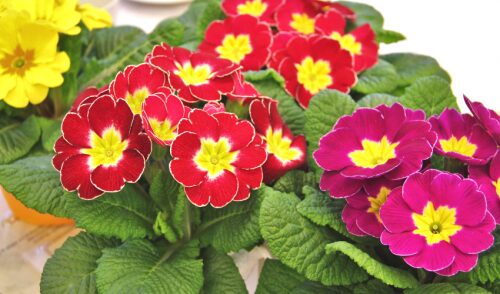
Growing primroses can be a delightful experience, especially during the winter months when they bloom. In this article, we will explore the best practices for growing primroses in vases or gardens, including the ideal conditions, varieties, and care tips.
Primroses: A Winter Bloomer
Primroses are known for their beautiful, delicate flowers that bloom in the winter months. They are often referred to as “winter primroses” or “spring primroses,” but they actually bloom throughout the entire winter season. The flowers come in a variety of colors, including pink, white, yellow, and bi-colored.
Choosing the Right Variety
When it comes to growing primroses, there are several varieties to choose from. Some popular varieties include:
- Primula vulgaris: This is one of the most common varieties of primrose and is often referred to as “garden primrose.”
- Primula hortensis: This variety is a hybrid of the garden primrose and is known for its bright, showy flowers.
- Primula obconica: This variety has tall stems and unique, asymmetrical flowers.
Creating the Perfect Growing Conditions
To grow primroses successfully, you’ll need to provide them with the right growing conditions. Here are some tips:
- Temperature: Primroses prefer cooler temperatures, ranging from 40-60°F (4-15°C).
- Lighting: While primroses can tolerate partial shade, they also require bright, indirect light.
- Soil: The ideal soil for primroses is moist and well-draining.
Caring for Your Primroses
To keep your primroses healthy and thriving, follow these care tips:
- Watering: Water your primroses regularly, but make sure the soil isn’t too wet or dry.
- Fertilizing: Feed your primroses with a balanced fertilizer during the growing season.
- Pruning: Prune your primroses in the fall to encourage new growth and prevent pests.
Common Problems and Solutions
Here are some common problems you may encounter when growing primroses, along with their solutions:
- Pests: Use insecticidal soap or neem oil to control pests like aphids and whiteflies.
- Diseases: Treat fungal diseases with a fungicide and bacterial diseases with a bactericide.
Growing Primroses in Vases
If you want to grow primroses in vases, here are some tips:
- Choose the right vase: Select a vase that’s at least 25 cm deep and has drainage holes.
- Use fresh water: Change the water regularly to keep your primroses healthy.
- Provide bright light: Place your vase near a sunny window or under grow lights.
Conclusion
Growing primroses can be a rewarding experience, especially when you follow the right care tips and provide them with the perfect growing conditions. With these tips, you’ll be well on your way to creating beautiful, blooming primrose arrangements that will brighten up any room.
Frequently Asked Questions (FAQs)
Here are some common questions people have about growing primroses:
- Q: What’s the best time to plant primroses?
A: The best time to plant primroses is in the fall or early spring, when the weather is cooler. - Q: How often should I water my primroses?
A: Water your primroses regularly, but make sure the soil isn’t too wet or dry. - Q: Can I grow primroses indoors?
A: Yes, you can grow primroses indoors in vases or pots, as long as they receive bright, indirect light and are kept at a comfortable temperature. - Q: What’s the best fertilizer to use for primroses?
A: Use a balanced fertilizer that’s specifically formulated for flowers and foliage plants. - Q: How do I care for my primrose blooms?
A: To keep your primrose blooms looking their best, water them regularly and provide bright, indirect light.
By following these tips and care guidelines, you’ll be able to grow beautiful, healthy primroses that will bloom throughout the winter season.


