
Introduction
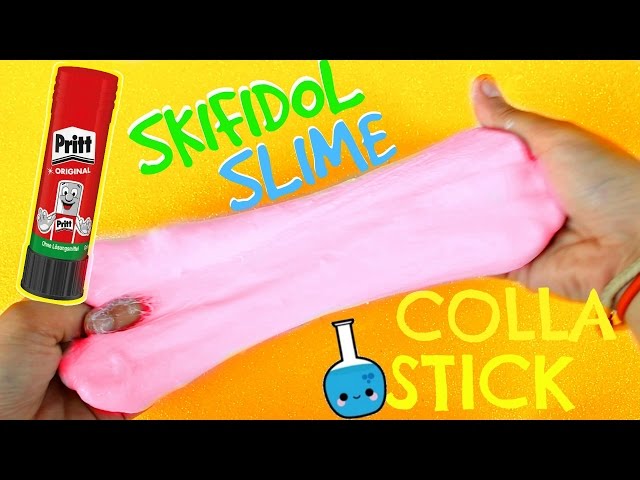
In recent years, slime making has become a popular hobby among children and adults alike. The creative process of mixing together different ingredients to create a unique and fun substance has captured the imagination of many. In this article, we will explore the world of slime making, from its history to its various types and recipes.
What is Slime Making?
Slime making is the process of creating a non-Newtonian fluid, also known as a “slime,” by mixing together different ingredients such as glue, water, and borax. The resulting substance has a unique texture that can range from soft and stretchy to firm and rigid.
A Brief History of Slime Making
The origins of slime making are unclear, but it is believed to have originated in the 1990s as a children’s toy. The first commercial slime products were introduced in the early 2000s, but it wasn’t until the rise of YouTube and social media that slime making became a popular hobby.
Why is Slime Making So Popular?
So, why has slime making become such a beloved activity? For one, it allows children to express their creativity and imagination. By mixing together different ingredients and colors, kids can create unique and personalized slimes that reflect their individuality.
Additionally, slime making provides an excellent way for children to develop their fine motor skills and hand-eye coordination. The process of stirring and manipulating the slime requires patience, dexterity, and attention to detail.
The Science Behind Slime Making
But what makes slime so special? It all comes down to chemistry! When you mix together glue and water, you create a solution that is predominantly made up of polymers. These polymers are long chains of molecules that can be cross-linked together to form a solid structure.
When borax is added to the mixture, it reacts with the polymers to create a network of cross-links that gives slime its unique texture. This process is called polymerization.
Types of Slime
There are many different types of slime that can be made, each with its own unique characteristics and properties. Here are a few examples:
- Classic Slime: Made with glue, water, and borax, this is the most common type of slime.
- Cloud Slime: A variation of classic slime that uses shaving cream instead of borax to create a fluffy and cloud-like texture.
- Squishy Slime: A type of slime that uses cornstarch or flour to create a soft and squishy texture.
- Clear Slime: Made with clear glue and water, this type of slime is perfect for kids who love sparkly and colorful things.
- Glow-in-the-Dark Slime: A type of slime that uses glow-in-the-dark paint or glitter to create a glowing effect.
Recipes for Making Slime
Here are three simple recipes for making slime at home:
Recipe 1: Classic Slime
Ingredients:
- 1 cup of white glue
- 1/2 cup of water
- 1 tablespoon of borax
- Food coloring (optional)
Instructions:
- In a bowl, mix together the glue and water until well combined.
- Add a few drops of food coloring to tint the slime (optional).
- In another bowl, mix together 1/2 cup of warm water and 1 tablespoon of borax.
- Slowly add the borax mixture to the glue mixture, stirring constantly with a spoon or spatula until the slime starts to form.
Recipe 2: Cloud Slime
Ingredients:
- 1 cup of white glue
- 1/2 cup of shaving cream
- 1 tablespoon of baking soda
- Food coloring (optional)
Instructions:
- In a bowl, mix together the glue and shaving cream until well combined.
- Add a few drops of food coloring to tint the slime (optional).
- In another bowl, mix together 1/2 cup of warm water and 1 tablespoon of baking soda.
- Slowly add the baking soda mixture to the glue mixture, stirring constantly with a spoon or spatula until the slime starts to form.
Recipe 3: Squishy Slime
Ingredients:
- 1 cup of white glue
- 2 cups of cornstarch
- 1/2 cup of water
- Food coloring (optional)
Instructions:
- In a bowl, mix together the glue and cornstarch until well combined.
- Add a few drops of food coloring to tint the slime (optional).
- Slowly add the water mixture to the glue mixture, stirring constantly with a spoon or spatula until the slime starts to form.
Advanced Slime Recipes
For those looking to take their slime game to the next level, here are three advanced recipes:
Recipe 4: Glow-in-the-Dark Slime
Ingredients:
- 1 cup of white glue
- 1/2 cup of water
- 1 tablespoon of borax
- 1 teaspoon of glow-in-the-dark paint
- Food coloring (optional)
Instructions:
- In a bowl, mix together the glue and water until well combined.
- Add a few drops of food coloring to tint the slime (optional).
- In another bowl, mix together 1/2 cup of warm water and 1 tablespoon of borax.
- Slowly add the borax mixture to the glue mixture, stirring constantly with a spoon or spatula until the slime starts to form.
- Add the glow-in-the-dark paint to the slime mixture and stir until well combined.
Recipe 5: Cloudy Slime
Ingredients:
- 1 cup of white glue
- 1/2 cup of shaving cream
- 1 tablespoon of baking soda
- 1 teaspoon of blue food coloring
- Food coloring (optional)
Instructions:
- In a bowl, mix together the glue and shaving cream until well combined.
- Add a few drops of blue food coloring to tint the slime.
- In another bowl, mix together 1/2 cup of warm water and 1 tablespoon of baking soda.
- Slowly add the baking soda mixture to the glue mixture, stirring constantly with a spoon or spatula until the slime starts to form.
Recipe 6: Glitter Slime
Ingredients:
- 1 cup of white glue
- 1/2 cup of water
- 1 tablespoon of borax
- 1 teaspoon of glitter
- Food coloring (optional)
Instructions:
- In a bowl, mix together the glue and water until well combined.
- Add a few drops of food coloring to tint the slime (optional).
- In another bowl, mix together 1/2 cup of warm water and 1 tablespoon of borax.
- Slowly add the borax mixture to the glue mixture, stirring constantly with a spoon or spatula until the slime starts to form.
- Add the glitter to the slime mixture and stir until well combined.
Conclusion
Slime making is a fun and creative hobby that can be enjoyed by people of all ages. With its unique texture and endless possibilities for customization, it’s no wonder why slime making has become so popular. Whether you’re a seasoned slime maker or just starting out, there’s always something new to learn and discover in the world of slime.
Frequently Asked Questions
- What is non-Newtonian fluid?
Non-Newtonian fluids are liquids that exhibit unique properties when subjected to different forces or stresses. In the case of slime, it behaves like a solid when manipulated with a spoon or spatula, but becomes liquid-like when stirred rapidly.
- How do I make slime if I don’t have borax?
If you don’t have borax, you can try using other household items to create slime. Some alternatives include cornstarch, flour, and even shaving cream!
- Can I add glitter or sequins to my slime?
Absolutely! Glitter and sequins can add an extra touch of fun and sparkle to your slime.
- How do I store my slime?
To keep your slime fresh and prevent it from drying out, make sure to store it in an airtight container in the refrigerator or freezer.
- Can I share my slime with others?
While it’s tempting to want to share your slime with friends, it’s generally recommended to keep each batch of slime separate and not share them with others to avoid cross-contamination.
Tips and Tricks
- To make slime that lasts longer, try adding a few drops of glycerin or baby oil to the mixture.
- If you find that your slime is too sticky, try adding a bit more borax to the mixture.
- To create different textures in your slime, try using different types of glue, such as school glue or white glue.
Safety Precautions
- When making slime, make sure to wear protective gloves and goggles to avoid getting glue on your skin or in your eyes.
- If you have any allergies or sensitivities, be sure to do a patch test before using new ingredients.
- Keep slime away from children under the age of 3, as it can be a choking hazard.
We hope this article has inspired you to get creative with slime making! Remember to always follow safety precautions and have fun experimenting with different recipes and textures. Happy sliming!


