
Introduction
In the mountainous regions of Bosnia-Erzegovina and Croatia, a rare and resilient breed has long been revered for its intelligence, courage, and loyalty. The Tornjak, a type of herding dog, has been prized by local farmers for centuries for its ability to guard their flocks with fierce dedication. But what makes this breed so unique, and how can you bring one into your family?
Origins
The Tornjak’s origins date back to the 11th century, when it was first mentioned in historical records as a type of herding dog. Over time, through selective breeding, the Tornjak developed into a distinct breed, characterized by its intelligence, agility, and protective instincts. Despite its rarity, the Tornjak has managed to survive and thrive in some of Europe’s most challenging environments.
The breed’s name is believed to have originated from the Turkish word “torniq,” which means “guardian” or “protector.” This name reflects the Tornjak’s natural instinct to protect and defend its flock, making it an ideal companion for farmers and ranchers who rely on their dogs to keep their animals safe.
Physical Characteristics
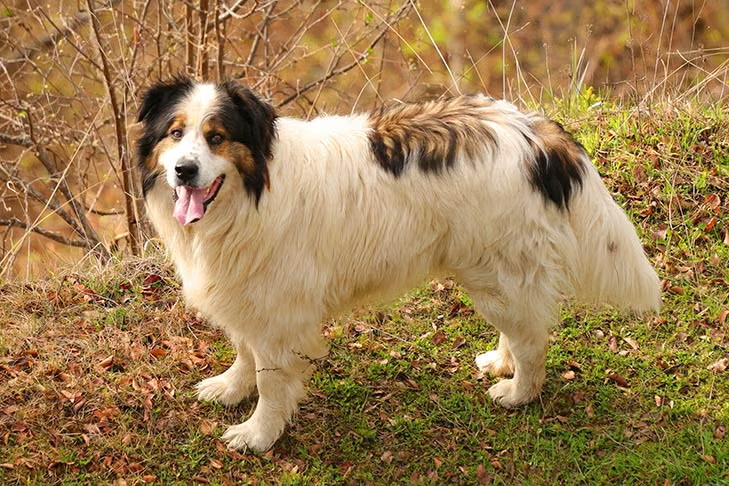
The Tornjak is a large breed, with males weighing between 35-50 kg (77-110 lbs) and females weighing between 28-40 kg (62-88 lbs). Its distinctive features include a long, thick coat that can reach up to 10 cm (4 inches) in length, with a double layer of fur that provides excellent insulation. The breed’s head is shaped like a wedge, with a flat skull and a well-defined stop. Its eyes are large and expressive, with an intelligent and alert expression.
The Tornjak’s coat can vary in color from white to black, with or without markings. The breed’s athletic build and powerful physique make it well-suited for its original purpose as a herding dog, and its intelligence and agility make it a joy to train and interact with.
Grooming
The Tornjak’s coat requires regular grooming to prevent matting and tangling. A weekly brushing session can help keep its fur healthy and looking its best. The breed is also prone to developing skin problems, particularly around the neck and shoulders, so regular monitoring and maintenance are essential.
In addition to brushing, the Tornjak’s coat needs to be trimmed regularly to prevent overgrowth. This can be a challenge for some owners, as it requires patience and attention to detail. However, with practice and experience, trimming your Tornjak’s coat can become an enjoyable and rewarding task.
Temperament
Tornjaks are known for their friendly, outgoing personalities. They are highly intelligent and responsive to training, making them a popular choice for families and working farms. However, they can be wary of strangers, and may require time to warm up to new people and environments.
The breed’s temperament is also influenced by its herding background, which means that Tornjaks are naturally protective of their flock. This can make them excellent watchdogs, but it also requires careful socialization and training to ensure that they don’t become too aggressive or dominant.
Health and Nutrition
The Tornjak is generally a healthy breed, but it can be prone to certain health issues, such as hip dysplasia and eye problems. Regular veterinary check-ups are essential to ensure the long-term health and well-being of your Tornjak.
A balanced diet that includes plenty of protein and fat will help support its growth and development. The breed’s high energy levels also require regular exercise, which can be in the form of physical activity such as running or hiking, or mental stimulation such as puzzle toys and obedience training.
Training and Socialization
Tornjaks respond well to positive reinforcement training methods, such as clicker training and reward-based techniques. Early socialization is also crucial, as the breed can be wary of strangers and new environments.
A calm and patient approach can help your Tornjak develop into a confident and well-adjusted companion. This may involve starting with short sessions and gradually increasing the duration and intensity over time.
Where to Find a Tornjak
Unfortunately, there are no dedicated breeding programs for the Tornjak in Italy, and finding a purebred puppy may require some effort. However, by contacting local breeders or working with reputable rescue organizations, you can increase your chances of finding a healthy and well-socialized Tornjak.
When searching for a Tornjak, make sure to research reputable breeders and rescue organizations thoroughly. Look for certifications such as the Italian Kennel Club (ENCI) or the Fédération Cynologique Internationale (FCI), which ensure that the breeder has met certain standards of quality and care.
Conclusion
The Tornjak is a rare and unique breed that requires dedication, patience, and understanding. With its intelligence, courage, and loyalty, it makes an excellent companion for active families or working farms. If you’re looking for a dog that will stand by your side through thick and thin, the Tornjak may be the perfect choice.
Frequently Asked Questions
- Q: What is the lifespan of a Tornjak?
A: The average lifespan of a Tornjak is 12-15 years. - Q: How much exercise does a Tornjak need?
A: Tornjaks require regular exercise to stay healthy and happy. Aim for at least 30 minutes of physical activity per day. - Q: Can I train a Tornjak as a service dog?
A: Yes, Tornjaks can be trained as service dogs with the right temperament and training. - Q: Is the Tornjak breed recognized by kennel clubs?
A: The Tornjak is not yet recognized by major kennel clubs, but it is recognized by some regional organizations. - Q: How much does a Tornjak puppy cost?
A: Prices for Tornjak puppies can vary depending on factors such as breeding, bloodlines, and location. Expect to pay between €500-€1,000 for a purebred puppy. - Q: Can I adopt an adult Tornjak?
A: Yes, many rescue organizations have adult Tornjaks available for adoption. - Q: How often should I groom my Tornjak’s coat?
A: Aim to brush your Tornjak’s coat at least once a week to prevent matting and tangling. - Q: Can Tornjaks be good with children?
A: Yes, Tornjaks are generally excellent with children, but as with any breed, early socialization and training are essential.


