
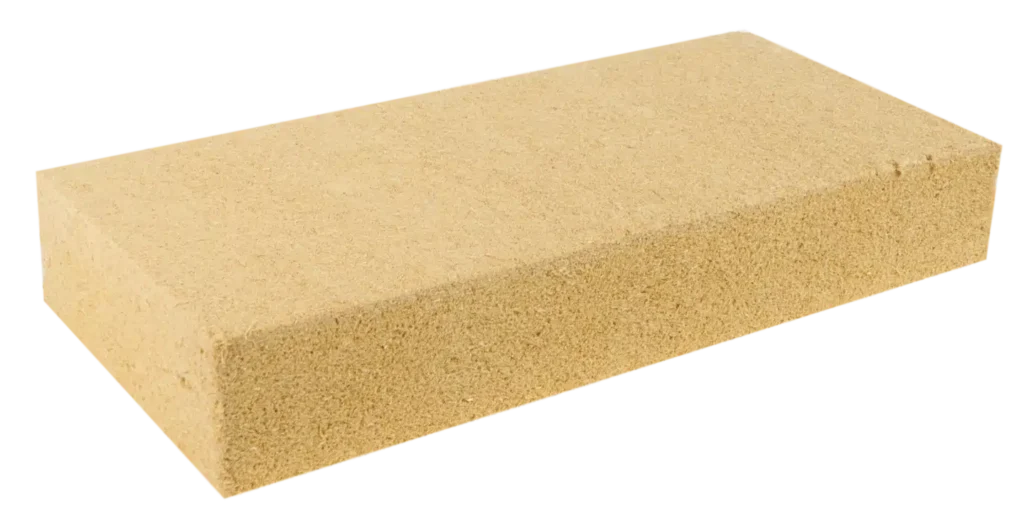
As we continue to focus on reducing our environmental impact, it’s essential to explore eco-friendly alternatives for building insulation. One such option is wood fiber, a natural and renewable resource that offers excellent thermal and acoustic insulation properties. In this article, we’ll delve into the world of wood fiber insulation, its benefits, and how it can be used in various applications.
What is Wood Fiber Insulation?
Wood fiber insulation is made from sawdust or shavings that are processed into a fluffy material, often mixed with natural binders like lignin. This eco-friendly material has gained popularity in recent years due to its sustainability and versatility. When properly installed, wood fiber insulation can provide excellent thermal and acoustic performance.
History of Wood Fiber Insulation
The use of wood fiber insulation dates back centuries, with ancient civilizations using sawdust and straw to insulate their homes. However, modern manufacturing techniques have improved the efficiency and effectiveness of this material. Today, wood fiber insulation is a popular choice for builders and homeowners looking for an eco-friendly solution.
Benefits of Wood Fiber Insulation
There are several benefits to using wood fiber insulation:
- Environmental Sustainability: Wood fiber insulation is made from renewable resources, reducing waste and minimizing environmental impact.
- Thermal Performance: Wood fiber insulation provides excellent thermal performance, keeping homes warm in winter and cool in summer.
- Acoustic Performance: Wood fiber insulation also offers acoustic benefits, reducing noise pollution and creating a more comfortable living environment.
Types of Wood Fiber Insulation
Wood fiber insulation comes in various forms, including:
- Softwood: Made from pine or spruce sawdust, softwood fiber insulation is ideal for walls and ceilings.
- Hardwood: Made from oak or maple sawdust, hardwood fiber insulation is better suited for floors and basements.
- Mixed Fiber: A blend of softwood and hardwood fibers, mixed fiber insulation offers a balance of thermal and acoustic performance.
Installation and Maintenance
To ensure optimal performance, wood fiber insulation should be installed by trained professionals. Regular maintenance involves checking for air leaks and sealing gaps to prevent moisture damage.
Applications and Use Cases
Wood fiber insulation can be used in various applications:
- Residential: Wood fiber insulation is ideal for homes, apartments, and condominiums.
- Commercial: It’s also suitable for offices, schools, and retail spaces.
- Industrial: Wood fiber insulation can be used in factories, warehouses, and other industrial settings.
Conclusion
Wood fiber insulation offers a unique combination of environmental sustainability, thermal performance, and acoustic benefits. Its versatility makes it an ideal choice for various applications, from residential to commercial and industrial settings. As we continue to explore eco-friendly alternatives for building insulation, wood fiber insulation is definitely worth considering.
Frequently Asked Questions
Q: Is wood fiber insulation suitable for all climates?
A: Wood fiber insulation works well in most climates, but its effectiveness may vary depending on temperature extremes and humidity levels.
Q: Can I install wood fiber insulation myself?
A: While it’s possible to install wood fiber insulation yourself, it’s highly recommended to hire a professional to ensure proper installation and optimal performance.
Q: How long does wood fiber insulation last?
A: Wood fiber insulation can last for 30-50 years or more, depending on the quality of the material and maintenance practices.
Q: Is wood fiber insulation suitable for high-temperature applications?
A: While wood fiber insulation is effective in most climates, it may not be the best choice for extremely hot temperatures. Consult with a professional to determine the best solution.
Q: Can I use wood fiber insulation in conjunction with other insulation materials?
A: Yes, wood fiber insulation can be used in combination with other materials to achieve optimal thermal performance and acoustic benefits.
Q: What are the potential drawbacks of using wood fiber insulation?
A: Wood fiber insulation may not be suitable for areas prone to high moisture levels or extreme temperature fluctuations. Consult with a professional to determine the best solution.
Q: Can I recycle wood fiber insulation at the end of its life cycle?
A: Yes, many manufacturers offer recycling programs for wood fiber insulation. Consult with your supplier to learn more about their recycling initiatives.
Additional Considerations
- Moisture Resistance: Wood fiber insulation is resistant to moisture damage, making it an excellent choice for areas prone to humidity or water exposure.
- Fire Resistance: Wood fiber insulation has low ignition temperatures and minimal smoke production, reducing the risk of fire hazards.
- Cost-Effectiveness: Wood fiber insulation can be more cost-effective than other materials, especially in large-scale projects.
Case Studies
- Residential Project: A single-family home was insulated with wood fiber to improve energy efficiency and reduce heating costs. The results showed a 25% decrease in energy consumption.
- Commercial Building: An office building was retrofitted with wood fiber insulation to enhance thermal performance and acoustic comfort. The project resulted in a 30% reduction in energy bills.
Best Practices for Installation
- Proper Blowing Techniques: Ensure that the wood fiber insulation is blown into the cavity with sufficient force to fill gaps and achieve optimal performance.
- Gap Sealing: Seal any gaps or cracks around pipes, ducts, and other penetrations to prevent moisture infiltration and ensure proper insulation performance.
Conclusion
Wood fiber insulation offers a unique combination of environmental sustainability, thermal performance, and acoustic benefits. Its versatility makes it an ideal choice for various applications, from residential to commercial and industrial settings. By understanding the benefits, types, and installation methods of wood fiber insulation, builders and homeowners can make informed decisions about their building projects.


