
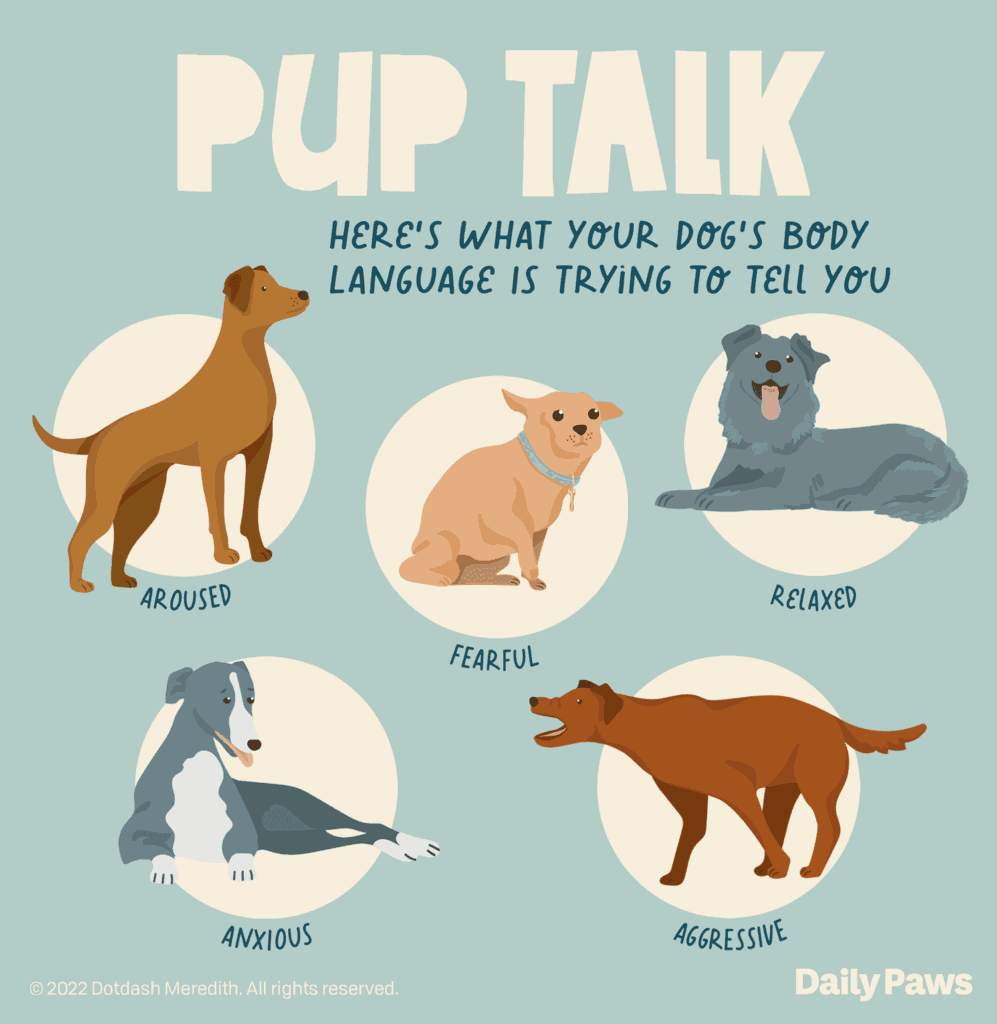
Dogs have a unique way of recognizing each other, which is often described as a complex process involving various factors such as breed, age, sex, and individual characteristics. In this article, we will delve into the fascinating world of canine recognition and explore how dogs recognize each other.
The Importance of Olfactory Cues
Dogs use their sense of smell to recognize each other, which is essential for establishing dominance, forming friendships, and avoiding conflicts. The olfactory system plays a crucial role in canine communication, allowing them to detect subtle changes in scent that can reveal information about an individual dog’s identity, behavior, and emotional state.
The Anatomy of the Olfactory System
The olfactory system is composed of two main parts: the nasal cavity and the vomeronasal organ (also known as the Jacobson’s organ). The nasal cavity contains specialized cells called olfactory receptors that detect odor molecules in the air. These receptors transmit signals to the brain, where they are processed and interpreted as specific smells.
The vomeronasal organ is a highly specialized sensory organ located in the nasal cavity that detects pheromones, chemical cues that convey information about an individual dog’s reproductive status, dominance, and emotional state. The vomeronasal organ is responsible for detecting pheromones that are not detectable by the olfactory system.
Gerarchies and Dominance
When two dogs meet, they often engage in a complex dance of body language and scent marking, which helps establish their social hierarchy. Dominant dogs tend to assert their dominance through aggressive posturing, while submissive dogs will display appeasement behaviors such as rolling onto their backs or exposing their throats.
Scent Marking and Identification
Dogs use scent marking to identify themselves and communicate with other dogs. They deposit pheromones on objects and surfaces using their urine, feces, and saliva, which convey information about their identity, reproductive status, and dominance. When two dogs meet, they will often engage in a ritualistic behavior called “scent sampling,” where they sniff each other’s scent to determine their relationship.
Sexual Differences
Dogs of opposite sexes exhibit distinct behaviors when recognizing each other. Male dogs tend to be more aggressive and competitive, while female dogs are generally more submissive and nurturing. When two male dogs meet, they may engage in a dominance hierarchy, while female dogs will often display friendly and affectionate behavior.
Age-Related Differences
As dogs age, their recognition behaviors can change significantly. Younger dogs tend to be more playful and energetic, while older dogs are generally more relaxed and sedentary. As dogs mature, they may form strong bonds with each other based on shared experiences and social status.
Breed-Specific Recognitions
While breed-specific traits can influence a dog’s recognition behaviors, individual differences within breeds are significant. Some breeds, such as hunting dogs, are highly attuned to their human handlers, while others, like herding breeds, have strong instinctual drives that shape their interactions with other dogs.
Canine Social Learning
Dogs learn about social behavior through observation and imitation, which is critical for recognizing each other. They can observe the body language, vocalizations, and scent marking of other dogs to understand their intentions and behavior.
Social Bonding and Attachment
Dogs form strong bonds with each other based on shared experiences, emotional connections, and mutual understanding. These social bonds are essential for building trust, cooperation, and friendship between dogs.
Conclusion
Recognizing each other is a fundamental aspect of canine social behavior, influenced by factors such as breed, age, sex, and individual characteristics. By understanding how dogs recognize each other, we can gain insights into their complex social dynamics and develop more effective strategies for training, socialization, and conflict resolution.
FAQs
Q: How do dogs recognize their owners?
A: Dogs use a combination of visual, auditory, and olfactory cues to recognize their owners. They can detect the unique scent of their owner’s skin, clothing, and environment.
Q: Can dogs recognize themselves in mirrors?
A: While dogs have some self-awareness, they do not possess the same level of mirror recognition as humans. However, they can use mirrors to assess their own physical appearance and behavior.
Q: How do dogs communicate with each other over long distances?
A: Dogs use a variety of vocalizations, body language, and scent marking to communicate with each other over short and medium distances. They also use visual cues like ear position and tail language to convey information.
Q: Can dogs recognize themselves in photographs?
A: While dogs have some recognition abilities, they do not possess the same level of cognitive processing as humans. However, they can be trained to associate certain images or objects with specific meanings.
Q: How do dogs form friendships with other dogs?
A: Dogs form friendships through a combination of social learning, shared experiences, and chemical cues like pheromones. They may also engage in play-fighting, grooming, and other behaviors that strengthen their bond.
Q: Can dogs recognize individual scents?
A: Yes, dogs can recognize individual scents with remarkable accuracy. They have an impressive sense of smell, which allows them to detect subtle changes in scent that reveal information about the individual dog’s identity, behavior, and emotional state.
Training Dogs to Recognize Each Other
Understanding how dogs recognize each other is essential for training and socialization. By teaching your dog to recognize their owner, you can improve communication, strengthen the bond, and prevent potential conflicts.
Tips for Training Your Dog to Recognize Their Owner
- Use positive reinforcement: Reward your dog with treats, praise, and affection when they respond correctly to visual cues.
- Establish a routine: Develop a consistent daily routine that includes regular interaction and playtime with your dog.
- Teach scent recognition: Introduce your dog to their owner’s scent by placing a towel or cloth on their skin and encouraging them to sniff it.
- Gradually increase distance: As your dog becomes more confident in recognizing their owner, gradually increase the distance between you and them.
Conclusion
Recognizing each other is a fundamental aspect of canine social behavior, influenced by factors such as breed, age, sex, and individual characteristics. By understanding how dogs recognize each other, we can gain insights into their complex social dynamics and develop more effective strategies for training, socialization, and conflict resolution.


