
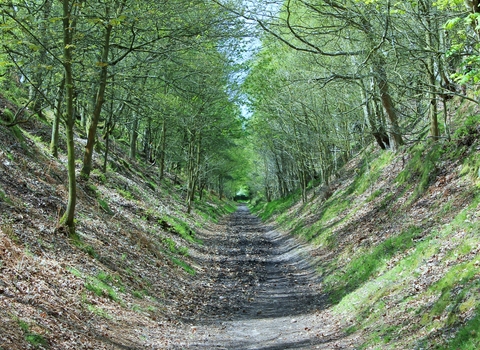
Introduction
In an era of environmental crisis, it’s time to breathe new life into the forgotten railways that crisscross our landscape. The Italian government is set to introduce a new law (Legislative Decree 1640) aimed at creating a national network of sustainable mobility, incorporating abandoned railway lines, coastal roads, and historic routes. But what sparked this initiative, and why is it so crucial for our planet’s future?
The concept of revitalizing forgotten railways has been gaining momentum over the past few years, with various environmental organizations and government agencies joining forces to promote the preservation of these historic routes. The Italian government’s latest move marks a significant step forward in this journey, and we’ll explore what inspired it, its potential benefits, and how you can join the movement.
The Origins of the Movement
The proposal dates back to September 2013, when the Confederation for Sustainable Mobility (Co.Mo.Do) launched its 7th National Day of Forgotten Railways. The event was a call to action for various environmental organizations, including Legambiente, Italia Nostra, and WWF, to join forces in promoting the preservation of these historic routes.
The idea gained momentum as more and more people began to appreciate the beauty and significance of these abandoned railway lines. These routes not only represent a tangible link to our past but also offer a unique opportunity for eco-tourism, promoting sustainable mobility and reducing carbon emissions.
What is Mobilità Dolce?
Mobilità dolce (sustainable mobility) is more than just railways – it’s a holistic approach to transportation that prioritizes eco-friendliness. By embracing abandoned railway lines, we can reduce carbon emissions, promote tourism, and create jobs. The potential benefits are vast, but how do these forgotten railways fit into the picture?
Mobilità dolce encompasses various modes of sustainable transport, including:
- Passenger trains: Revitalizing passenger train services will not only reduce carbon emissions but also provide an alternative to cars and buses.
- Bike lanes: Creating bike lanes along restored railway lines will promote cycling as a mode of transportation and encourage people to leave their cars behind.
- Electric vehicles: Encouraging the use of electric vehicles on restored routes will further reduce carbon emissions and promote sustainable mobility.
Why Abandoned Railway Lines Matter
These railway lines represent a tangible link to our past, a testament to the ingenuity of our ancestors who built them. However, many have been abandoned due to changing transportation needs or economic factors. It’s time to breathe new life into these relics and transform them into sustainable mobility hubs.
Abandoned railway lines offer numerous benefits, including:
- Reduced carbon emissions: Revitalizing these routes will reduce reliance on fossil fuels and lower greenhouse gas emissions.
- Job creation: The project will create jobs in rural areas, promoting local economic growth and development.
- Tourism: These restored routes will attract tourists, boosting regional economies and promoting cultural heritage.
The Visionary Project
Imagine a network of interconnected routes that crisscross the country, offering tourists and locals alike an immersive experience of Italy’s rich history and natural beauty. The proposed legislation aims to create this vision by:
- Revitalizing abandoned railway lines: Renovating these routes to accommodate passenger trains, promoting eco-tourism, and creating jobs in rural areas.
- Preserving historic roads and trails: Restoring iconic routes like the Francigena Trail and promoting their use for cycling, hiking, and other sustainable activities.
- Fostering collaboration between stakeholders: Encouraging partnerships between regional authorities, environmental organizations, and local communities to ensure the success of this initiative.
The Event: A Call to Action
As we approach the national convention on “Le Ferrovie delle Meraviglie: ieri, oggi e domani” (The Railways of Wonders: Yesterday, Today, and Tomorrow) in Siena on February 28th, it’s clear that this event marks a turning point in our collective effort to preserve these forgotten railways. Joining forces with the Commission for Environmental Protection, the European Commission, the Ministry for Environment and Territory Protection, and various regional authorities will be crucial in shaping the future of sustainable mobility.
What Can We Expect?
During the convention, participants will engage in a collaborative project that involves:
- Walking tours: Exploring abandoned railway lines and historic roads on foot.
- Bike rides: Cycling along restored routes to promote eco-tourism.
- Train journeys: Taking scenic rides on refurbished trains to experience the beauty of these forgotten railways.
Sardinia: A Case Study
In Sardinia, an innovative initiative will launch the “Trenino Verde” (Green Train), a special train that will run from Mandas to Sarcidano, reviving a once-abandoned railway line. This project demonstrates the potential for creative reuse of abandoned infrastructure.
The Benefits of Revitalizing Forgotten Railways
Revitalizing these forgotten railways offers numerous benefits, including:
- Reduced carbon emissions: By reducing reliance on fossil fuels and promoting eco-tourism, we can lower greenhouse gas emissions.
- Job creation: The project will create jobs in rural areas, promoting local economic growth and development.
- Tourism: These restored routes will attract tourists, boosting regional economies and promoting cultural heritage.
Conclusion
As we embark on this journey to revive our forgotten railways, it’s essential to recognize the significance of this endeavor. By embracing sustainable mobility and preserving our history, we can create a better future for ourselves and future generations. The Italian government’s new legislation marks a significant step towards achieving this goal, but it’s up to us to join forces and make it happen.
Frequently Asked Questions
Q: What is the purpose of the proposed legislation?
A: The legislation aims to create a national network of sustainable mobility by revitalizing abandoned railway lines, preserving historic roads and trails, and fostering collaboration between stakeholders.
Q: Why are these railways important?
A: These railways represent a tangible link to our past, showcasing Italy’s rich history and natural beauty. Revitalizing them will promote eco-tourism, create jobs, and reduce carbon emissions.
Q: What can I do to support this initiative?
A: Attend the national convention in Siena, participate in walking tours, bike rides, or train journeys, and join forces with local communities and environmental organizations to make a difference.
Q: How will this project benefit the environment?
A: By reducing carbon emissions, promoting eco-tourism, and creating jobs in rural areas, this initiative will contribute significantly to Italy’s efforts to combat climate change.


