
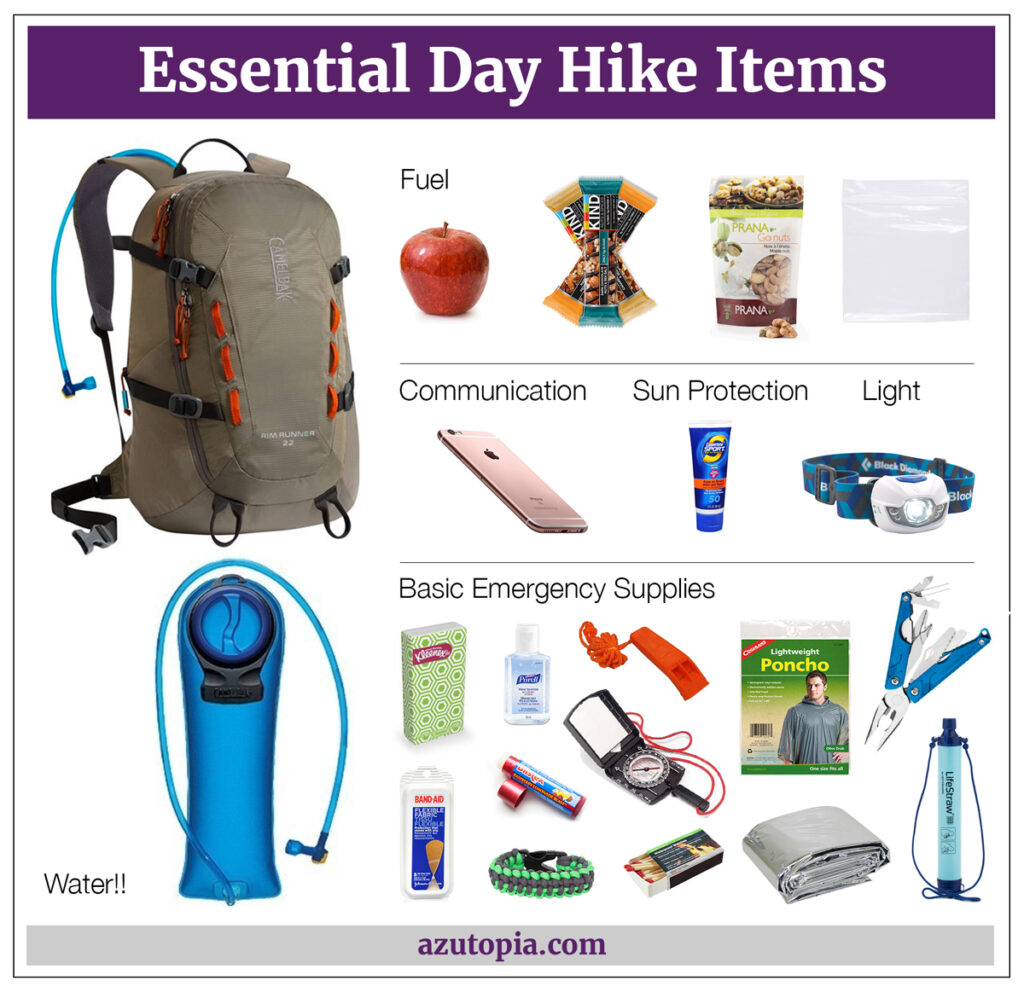
As you embark on your next trekking adventure, it’s essential to be prepared with the right gear and knowledge. Whether you’re exploring the scenic trails of the Amalfi Coast or tackling the rugged terrain of the Parco Nazionale del Circeo, there are certain essentials that you should never leave behind.
1. The Right Footwear for Trekking
When it comes to trekking, having the right footwear is crucial. You’ll want to choose a pair of shoes that’s both supportive and comfortable. Look for shoes with good arch support and traction, especially if you’ll be hiking on uneven or rocky terrain. Don’t forget to pack a spare pair of socks in case your feet get wet.
While trekking boots are ideal for long-distance hiking, trail running shoes can also suffice for shorter treks. However, if you plan on hiking in extreme conditions, such as snow or ice, you’ll need boots with crampons and a waterproof membrane.
When selecting footwear, consider the following factors:
- Fit: Make sure your feet have enough room to wiggle and breathe.
- Support: Look for shoes with good arch support and stability features.
- Traction: Choose shoes with aggressive tread patterns for better grip on uneven terrain.
- Waterproofing: Consider shoes with waterproof membranes or gaiters to keep your feet dry.
2. Staying Hydrated: The Importance of Water on Your Trek
One of the most critical aspects of trekking is staying hydrated. Bringing enough water to last throughout your hike can be challenging, but it’s essential to ensure that you have enough liquids to keep you going. Consider investing in a hydration bladder or backpack with built-in water storage.
A good rule of thumb is to aim for at least 2-3 liters of water per person per day, depending on the temperature and intensity of your hike. Don’t forget to pack a filter or purification tablets as well, just in case.
In addition to water, consider bringing other hydrating drinks such as electrolyte-rich beverages or sports drinks. These can help replenish lost salts and minerals, especially during intense physical activity.
3. Protecting Yourself from the Elements
The weather can be unpredictable, especially when you’re trekking in remote areas. Make sure to bring sunscreen with at least SPF 30, even on cloudy days, and consider packing a hat or visor for added protection.
In colder climates, it’s essential to pack warm clothing layers, including a waterproof jacket and insulated pants. Don’t forget to bring gloves and a scarf to keep your extremities warm.
When it comes to rain gear, consider bringing:
- Waterproof pants: Look for pants with a breathable membrane such as Gore-Tex or eVent.
- Rain jackets: Choose a lightweight, packable option that can be easily stowed away when not in use.
- Gloves and hats: Bring extra pairs of gloves and hats to keep your extremities dry and warm.
4. Navigation and Orientation: Bringing a Map and GPS
A map is an essential tool for any trekker, as it can help you navigate even in the most remote areas. Consider bringing a paper map or downloading a GPS app on your smartphone.
While GPS devices are becoming increasingly popular, it’s still possible to get lost without one. Make sure to bring a compass and know how to use it, especially when you’re hiking in unfamiliar territory.
When using a GPS device, consider the following tips:
- Bring extra batteries: Make sure you have spare batteries for your GPS device.
- Use a paper map as a backup: Even if you have a GPS device, it’s always a good idea to bring a paper map as a backup in case of battery failure.
- Know how to use the compass: Take time to learn how to read a compass and navigate with one.
5. Treating Blistered Feet: A Guide to Preventing and Treating Foot Pain
Blistered feet can be a major obstacle on your trekking adventure. To prevent blisters, make sure to wear comfortable socks and consider bringing moleskin or blister shields.
If you do develop blisters, know how to treat them quickly. Apply antibiotic ointment, cover the area with a bandage, and take regular breaks to rest your feet.
In addition to treating blisters, consider taking steps to prevent them from forming in the first place:
- Wear moisture-wicking socks: Choose socks made from breathable materials that will keep your feet dry.
- Break in new shoes gradually: Allow your feet to acclimate to new shoes by wearing them for shorter periods each day.
- Use orthotics or arch supports: Consider using custom orthotics or over-the-counter arch supports to reduce stress on your feet.
6. Insect Repellent: Protecting Yourself from Mosquitoes and Other Pests
In certain regions, mosquitoes can be a major nuisance on your trekking adventure. Bring insect repellent containing DEET or picaridin to keep these pesky insects at bay.
Consider packing a small first-aid kit with essentials like antiseptic wipes, pain relievers, and any personal medications you may need.
In addition to insect repellent, consider taking steps to avoid attracting mosquitoes:
- Wear protective clothing: Cover your skin with long-sleeved shirts, pants, and socks.
- Avoid scented products: Mosquitoes are attracted to strong perfumes and deodorants.
- Use citronella candles or torches: These can help repel mosquitoes without using insect repellent.
7. Food and Snacks: Bringing Energy-Rich Options for Your Trek
When it comes to trekking, food plays an essential role in keeping your energy levels up. Pack lightweight, high-calorie snacks like nuts, dried fruits, and jerky.
Consider bringing a portable stove or camping grill to cook meals, especially if you’re planning on spending multiple days on the trail.
When choosing food, consider the following tips:
- Bring high-energy foods: Opt for snacks with a high caloric density, such as nuts and dried fruit.
- Pack lightweight options: Choose foods that are easy to carry and won’t weigh you down.
- Consider bringing a water filter or purification tablets: These can help ensure access to safe drinking water.
8. Personal Hygiene: Bringing the Essentials for Cleanliness
Personal hygiene is essential when trekking, but it can be challenging to maintain cleanliness in remote areas. Bring toilet paper and hand sanitizer to keep yourself clean and hygienic.
Consider packing a small portable toilet or trowel if you plan on camping overnight.
In addition to toilet paper and hand sanitizer, consider bringing other personal hygiene items:
- Biodegradable soap: Use this to wash your hands and face.
- Toothbrush and toothpaste: Keep your teeth clean with regular brushing.
- Wet wipes: These can be used for cleaning your skin after a shower or wiping down surfaces.
9. Emergency Supplies: Bringing the Essentials for Survival
In case of an emergency, having the right supplies can mean the difference between life and death. Consider bringing a first-aid kit, fire starter, and whistle.
Bring a personal locator beacon (PLB) or satellite phone if you’ll be hiking in areas with no cell service.
When preparing your emergency kit, consider the following items:
- First aid kit: Include essentials like bandages, antiseptic wipes, pain relievers, and any personal medications.
- Fire starter: Choose a reliable fire starter, such as matches or a lighter.
- Whistle: This can be used to signal for help in case of an emergency.
- PLB or satellite phone: These devices can help you contact emergency services.
10. Safety First: Bringing a Basic First-Aid Kit
A basic first-aid kit should include essentials like bandages, antiseptic wipes, pain relievers, and any personal medications you may need.
Consider bringing a portable defibrillator or CPR mask if you have access to medical training.
When preparing your first-aid kit, consider the following items:
- Bandages: Include band-aids, gauze pads, and rolled gauze for wrapping injuries.
- Antiseptic wipes: Use these to clean wounds and prevent infection.
- Pain relievers: Bring medications like acetaminophen or ibuprofen for pain management.
- Personal medications: Pack any prescription medications you may need.
Conclusion: Preparing for Your Next Trekking Adventure
Trekking can be an incredible adventure, but it requires careful preparation. By bringing the right gear and knowledge, you’ll be better equipped to handle any challenges that come your way.
Remember to check the weather forecast before you head out and adjust your packing list accordingly. Consider bringing a repair kit with essentials like duct tape, safety pins, and a multi-tool.
With these tips, you’ll be well-prepared for your next trekking adventure and can focus on enjoying the breathtaking scenery and unique experiences that come with exploring the great outdoors.
Frequently Asked Questions
- What’s the best type of footwear for trekking?
The best type of footwear for trekking depends on the terrain, climate, and duration of your hike. Look for shoes with good arch support, traction, and breathability. - How much water should I bring on my trek?
Aim to bring at least 2-3 liters of water per person per day, depending on the temperature and intensity of your hike. - What’s the best way to treat blistered feet?
Apply antibiotic ointment, cover the area with a bandage, and take regular breaks to rest your feet. - Can I trek without insect repellent?
While it’s possible to trek without insect repellent, this is not recommended as mosquitoes can be a major nuisance in certain regions. - What should I pack for food and snacks on my trek?
Choose lightweight, high-calorie snacks like nuts, dried fruits, and jerky. Consider bringing a portable stove or camping grill to cook meals.
Additional Tips
- Always check the weather forecast before you head out and adjust your packing list accordingly.
- Bring a repair kit with essentials like duct tape, safety pins, and a multi-tool.
- Know how to use a compass and GPS device to navigate even in unfamiliar territory.
- Take regular breaks to rest and rehydrate throughout your hike.
By following these tips and being prepared for any eventuality, you’ll be able to enjoy a safe and successful trekking adventure. Happy trails!


